Pur Water Filter vs Brita: Key Differences Every Buyer Should Know
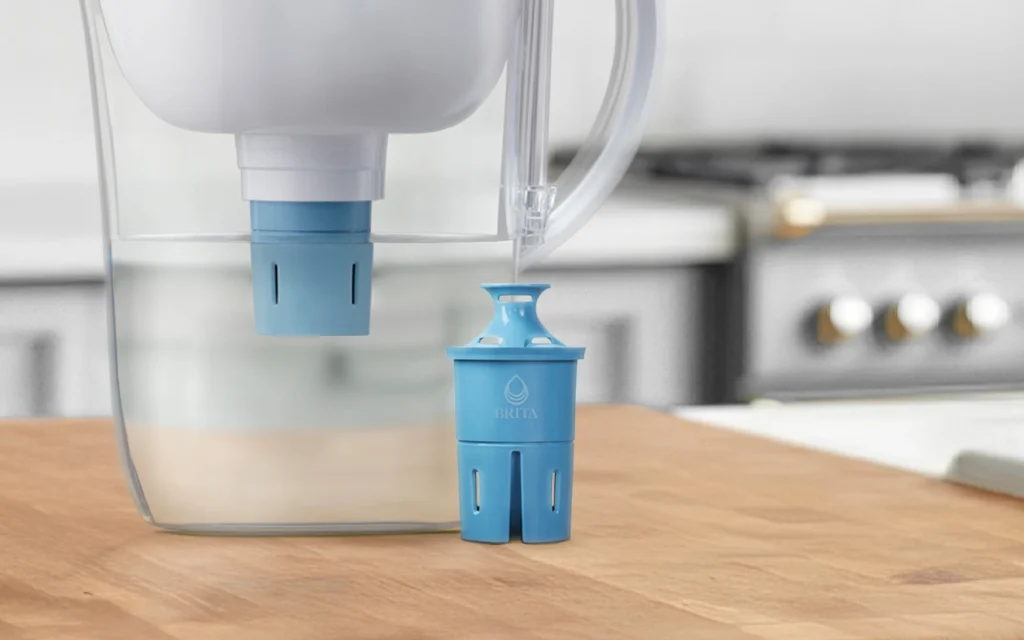
Clean drinking water is one of the most important needs in every home. Whether you are filling a glass after a workout, cooking dinner for your family, or packing a lunch for school or work, the quality of your water matters. Tap water can contain chlorine, lead, mercury, tiny plastic particles, and other unwanted substances. That is why many people turn to water filters. Two of the most well-known names in this space are Pur and Brita. The ongoing debate of pur water filter vs brita is not just about brand loyalty. It is about health, safety, taste, cost, and everyday convenience.
Understanding the Basics of Pur Water Filter vs Brita
Before diving into deep comparisons, it is important to understand what both brands aim to do and how they fit into everyday life. At their core, both Pur and Brita are designed to make your tap water safer and better tasting.
What Is a Pur Water Filter
Pur is known for focusing heavily on strong filtration. Most Pur filters use a combination of carbon filtering and ion exchange. This means they not only improve taste but also actively reduce heavy metals like lead and mercury. Many Pur models are certified by trusted organizations to remove more harmful substances than basic filters.
A real-life example helps explain this better. Imagine living in an older home with old plumbing. Even if your city water is treated, lead can still leak into your tap water through old pipes. A Pur filter is especially designed for situations like this, where heavy metal removal is a top priority.
What Is a Brita Water Filter
Brita focuses more on improving taste and reducing common chemicals like chlorine. It also reduces some heavy metals, but the main goal of most Brita filters is to make everyday tap water taste fresh and clean. Brita is especially popular for families who want easy-to-use, affordable, and long-lasting filters.
In the pur water filter vs brita comparison, Brita is often chosen by renters, students, and families who want simple filtration without worrying too much about advanced contaminant removal.
Pur Water Filter vs Brita: Filtration Technology Explained
One of the biggest differences in the pur water filter vs brita debate is how each brand filters water.
How Pur Filtration Technology Works
Pur filters usually use a two-stage system. First, water passes through activated carbon, which removes odors, chlorine, and bad taste. Then, it goes through ion exchange material that targets heavy metals. This second step is what makes Pur strong at removing contaminants like lead, copper, and mercury.
Think of it like a security checkpoint at an airport. The first check removes obvious problems, and the second check goes deeper to catch hidden dangers. That extra layer gives Pur an edge for people who are serious about water safety.
How Brita Filtration Technology Works
Brita also uses activated carbon, which is excellent for improving taste and smell. Some Brita filters include ion exchange too, but most are optimized for everyday water quality rather than extreme contamination. Brita focuses on removing chlorine, zinc, and some copper.
In the pur water filter vs brita discussion, Brita wins points for simplicity and efficiency, but Pur takes the lead for deeper filtration.
Pur Water Filter vs Brita: Contaminant Removal Power
The main reason people buy water filters is to remove harmful substances. This is where the pur water filter vs brita comparison becomes very important.
What Contaminants Pur Removes
Pur filters are known for removing:
- Lead
- Mercury
- Chlorine
- Some pesticides
- Bad taste and odors
- Certain industrial chemicals
Many Pur filters meet strict standards for lead reduction. This makes them a strong choice for families with children, pregnant women, and anyone concerned about long-term health risks.
A case study example can help here. A family in an older city neighborhood tested their tap water and found mild lead traces. After switching to a Pur faucet filter, follow-up testing showed a noticeable drop in lead levels. This real-world result explains why many people trust Pur for safety-focused filtration.
What Contaminants Brita Removes
Brita filters focus on:
- Chlorine
- Zinc
- Copper (limited amounts)
- Bad odors
- Unpleasant taste
Brita also reduces some lead, but often at lower levels than Pur. In the pur water filter vs brita comparison, Brita is better for people who mainly want better-tasting water rather than advanced contaminant protection.
Pur Water Filter vs Brita: Taste Improvement and Drinking Experience
Taste matters a lot. If filtered water does not taste good, people end up buying bottled water, which defeats the purpose.
How Pur Affects Water Taste
Because Pur removes more contaminants, especially metals, the taste can feel crisp and clean. Some users describe Pur-filtered water as neutral and smooth. However, a small number of people feel that Pur removes too much mineral content, making the water taste flat.
This is similar to drinking distilled water. It is pure, but it may lack the familiar natural taste many people enjoy.
How Brita Affects Water Taste
Brita is widely praised for taste improvement. It removes chlorine very well, which is the main cause of bad tap water flavor. Many people say Brita-filtered water tastes fresh and refreshing.
In the pur water filter vs brita taste comparison, Brita often wins for flavor, especially for daily drinking and making tea or coffee.
Pur Water Filter vs Brita: Product Types and Design Options
Both brands offer several types of filters to fit different lifestyles. Understanding these choices helps you see the full picture in the pur water filter vs brita comparison.
Pur Products and Designs
Pur offers:
- Faucet-mounted filters
- Pitcher filters
- Dispenser-style filters
Pur faucet filters are very popular because they attach directly to your sink. This means you get filtered water instantly without waiting. These are ideal for busy kitchens and families who use lots of water every day.
Brita Products and Designs
Brita is best known for:
- Pitcher filters
- Large dispenser filters
- Bottle filters
Brita pitchers are lightweight and fit easily into a refrigerator door. This makes them perfect for small kitchens, dorm rooms, and office spaces.
In the pur water filter vs brita design category, Pur focuses more on direct filtering, while Brita focuses on portable and fridge-friendly options.
Pur Water Filter vs Brita: Filter Lifespan and Replacement Cycles
How long a filter lasts affects both cost and convenience.
Pur Filter Lifespan
Most Pur filters last about 100 gallons of water, depending on the model. That usually equals around two to three months for an average family. Faucet filters may need replacement a bit sooner if water usage is high.
This means slightly more frequent filter changes, which some users find inconvenient.
Brita Filter Lifespan
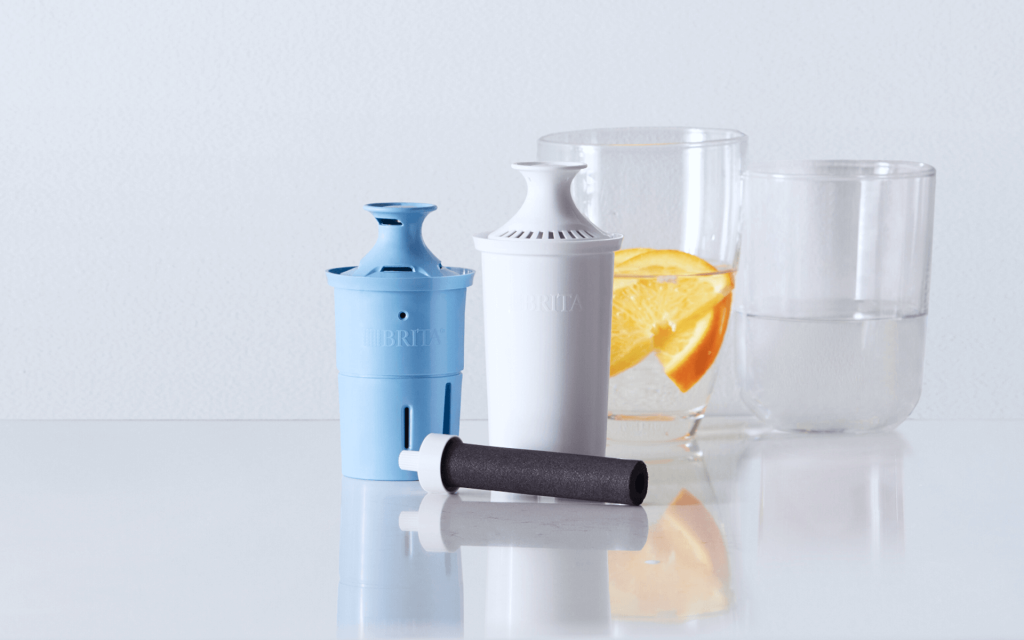
Most Brita standard filters last about 40 gallons, while long-lasting models can reach 120 gallons. Some advanced Brita filters are designed to last up to six months.
In the pur water filter vs brita lifespan comparison, Brita often wins because of longer replacement intervals.
Pur Water Filter vs Brita: Installation and Ease of Use
A filter can be powerful, but if it is hard to use, it becomes frustrating.
Installing and Using Pur Filters
Pur faucet filters usually snap onto the tap without tools. Setup is fast, but not all taps are compatible. Using it is simple, with a switch to turn filtering on or off.
Pitcher models work like any standard pitcher, but because Pur filters more aggressively, the water may flow slightly slower.
Installing and Using Brita Filters
Brita pitchers are extremely simple. You soak the filter, insert it, and fill the pitcher. No tools, no tap adjustments, and no special fittings required.
In the pur water filter vs brita ease-of-use category, Brita is generally easier for beginners and renters.
Pur Water Filter vs Brita: Cost Comparison and Long-Term Value
Budget plays a big role in any buying decision.
Upfront Cost of Pur
Pur faucet filters usually cost more at the start than pitchers. Replacement filters are also priced slightly higher. However, what you pay for is stronger contaminant removal.
This makes Pur more like a safety investment rather than just a taste upgrade.
Upfront Cost of Brita
Brita pitchers are usually affordable and easy to find. Replacement filters are also budget-friendly. For families focused on daily drinking water taste, Brita offers excellent value.
In the pur water filter vs brita cost debate, Brita wins for affordability, while Pur wins for premium protection.
Pur Water Filter vs Brita: Environmental Impact and Sustainability
Many buyers today care about the environment when choosing products.
Environmental Impact of Pur
Pur filters are smaller and often replaced more frequently. This creates more plastic waste over time. Some recycling programs accept used Pur filters, but availability varies by location.
Environmental Impact of Brita
Brita has widely promoted its recycling program. Used filters can often be mailed back for recycling. Brita also reduces the need for bottled water, cutting down plastic bottle waste.
In the pur water filter vs brita environmental comparison, Brita has a stronger public reputation for sustainability.
Pur Water Filter vs Brita: Which Is Better for Different Households
Every home has different water needs. That is why the pur water filter vs brita decision should be based on your specific situation.
Best Choice for Families with Children
Families with young children often worry about lead exposure. In this case, Pur is usually the better option due to its stronger heavy metal removal.
Best Choice for Renters and Students
Renters and students usually need simple, affordable, and portable solutions. Brita pitchers are perfect for dorm rooms and shared apartments.
Best Choice for Well Water Users
Homes using well water may face higher risks of certain contaminants. Pur is often the safer choice in this situation.
Pur Water Filter vs Brita: Real-Life User Experiences
Real-world feedback gives valuable insight into the pur water filter vs brita comparison.
Some users report that Pur gives them peace of mind when they hear news about water system issues in their city. They feel safer knowing heavy metals are being filtered out.
On the other hand, many Brita users love the fresh taste of water and the convenience of long-lasting pitchers that do not require constant filter changes.
One family switched from Brita to Pur after a water test showed elevated lead levels. They noticed the water tasted slightly different but felt much more confident about safety.
Another college student switched from expensive bottled water to a Brita pitcher and saved money while enjoying better-tasting water.
Pur Water Filter vs Brita: Pros and Cons at a Glance
Understanding the strengths and weaknesses of both brands helps simplify the pur water filter vs brita choice.
Pur strengths include strong heavy metal removal, faucet-mounted convenience, and high safety standards. Its weaknesses include shorter filter lifespan and higher long-term cost.
Brita strengths include excellent taste improvement, longer filter life, easy setup, and affordable pricing. Its weaknesses include lower heavy metal filtration compared to Pur.
Pur Water Filter vs Brita: Which One Should You Choose
The pur water filter vs brita question does not have one single correct answer. Your choice depends on what matters most to you.
If your top priority is health protection and heavy metal removal, Pur is the smarter choice. If your main goal is better-tasting water at a lower cost, Brita is the better option.
Think about your local water quality, your budget, and how you plan to use the filter every day. The right filter is the one that fits your real needs, not just the most popular name.
Strong Conclusion on Pur Water Filter vs Brita
The pur water filter vs brita comparison shows that both brands serve different purposes, and both do their jobs well in their own way. Pur stands out for its powerful contaminant removal, especially when it comes to lead and heavy metals. It is the better choice for families who want maximum protection from what may be hiding in their tap water.
Brita, on the other hand, shines when it comes to taste, convenience, and affordability. It is ideal for everyday use, improving the flavor of water for drinking, cooking, and making beverages without breaking the budget.
Deep Dive Picks recommends that buyers test their water or check their local water report before choosing between Pur and Brita. Your health, your taste buds, and your wallet all deserve a solution that matches your unique situation. By understanding the true differences in pur water filter vs brita, you can invest in cleaner, safer, and better-tasting water with confidence. All our latest blogs and resources are connected to our core platform.
FAQs on Pur Water Filter vs Brita
Is Pur better than Brita for lead removal
Yes, Pur is generally better than Brita for lead removal. In the pur water filter vs brita comparison, Pur filters are certified to remove higher levels of lead, making them a safer choice for homes with older plumbing.
Does Brita improve water taste more than Pur
Many users find that Brita improves water taste more noticeably than Pur. In the pur water filter vs brita taste comparison, Brita often wins because it removes chlorine very effectively.
Which is more cost-effective over time, Pur or Brita
Brita is usually more cost-effective over time due to longer filter life and lower replacement costs. However, in the pur water filter vs brita value debate, Pur offers stronger safety features that some buyers feel are worth the extra expense.