
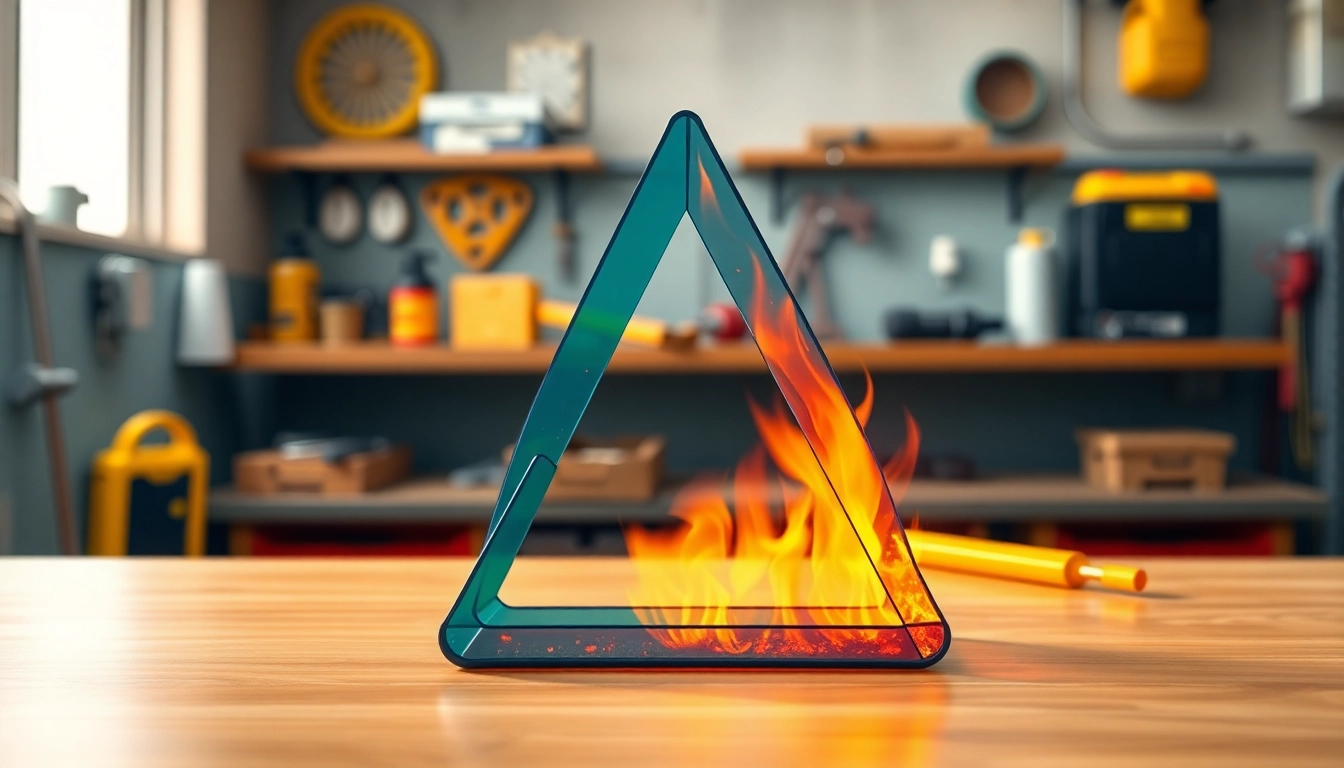
Introduction to the Fire Tetrahedron
The fire tetrahedron is a fundamental concept in fire safety and prevention. Traditionally, the fire triangle—comprising heat, fuel, and oxygen—has been widely recognized as the basis for understanding fire behavior. However, the introduction of the fire tetrahedron adds a fourth critical element: the chemical reaction that occurs when these three components interact. This model provides a more comprehensive understanding of fire dynamics and emphasizes the importance of managing all four elements to prevent and extinguish fires effectively. In this article, we delve deep into the fire tetrahedron, exploring its components, the chemical reactions involved, and practical applications in both industrial and domestic settings. For further insights into effective fire safety practices and technologies surrounding the fire tetrahedron, you can explore resources available on fire tetrahedron.
What is the Fire Tetrahedron?
The fire tetrahedron is an advanced model that illustrates the four necessary elements for fire to ignite and sustain. These elements include:
- Fuel: Any combustible material that can burn.
- Heat: Sufficient energy to ignite the fuel.
- Oxygen: An oxidizing agent that supports combustion.
- Chemical Reaction: The process of combustion that takes place when the other three elements are present and interact.
Understanding the fire tetrahedron is crucial for developing fire safety protocols and designing effective fire protection systems that address each of these components. By targeting each element, whether through removing fuel sources, reducing heat, or controlling oxygen levels, we can effectively manage fire risks.
Importance of Fire Safety
Fire safety is not only a matter of regulatory compliance but is vital for protecting lives, property, and the environment. Every year, thousands of incidents result in significant loss due to fire-related accidents. By understanding the fire tetrahedron, individuals and organizations can adopt proactive measures to mitigate these risks. Effective fire safety strategies can conserve resources, maintain operational continuity, and preserve the safety and welfare of employees and the general public. Additionally, proper education and awareness about fire safety can foster a culture of vigilance within communities, leading to better preparedness and faster response in emergencies.
Components of the Fire Tetrahedron
The four components of the fire tetrahedron work together in a delicate balance to allow fire to occur. Eachplay a distinct yet interconnected role in the behavior of combustion. Thoroughly understanding these components can help us devise strategies to prevent, control, and extinguish fires.
Breaking Down the Components
Fuel: The Role of Combustible Materials
Fuel is any material that can combust, providing the necessary substance for fire. It can exist in various forms: solid, liquid, or gas. Common examples include:
- Solids: Wood, paper, plastics, and textiles.
- Liquids: Fuels like gasoline, oil, and alcohols.
- Gases: Propane, natural gas, and hydrogen.
The type of fuel influences the fire’s characteristics, including its intensity and duration. For example, volatile fuels tend to ignite more quickly and burn hotter than less volatile materials. To effectively manage fire risk, it is critical to identify and control potential fuel sources in any environment, whether at home, in the workplace, or in industrial settings.
Heat: Sources and Management
Heat is the energy needed to raise the temperature of the fuel to its ignition point. Various sources of heat can lead to a fire, including:
- Open Flames: Matches, lighters, and candles.
- Electrical equipment: Overheated machinery or faulty wiring.
- Sparks: From welding or grinding operations.
- Hot Surfaces: Like stovetops or heated engines.
Managing heat sources is vital in preventing unwanted fire ignition. Regular maintenance of electrical systems, safe storage of flammable materials away from heat sources, and establishing no-smoking policies in hazardous areas can significantly reduce the risks associated with heat-induced fires.
Oxygen: The Essential Element
Oxygen is the third element that sustains combustion. It typically comes from the surrounding air, which contains approximately 21% oxygen. However, fires can also occur in environments with enriched oxygen concentrations. To illustrate the significance of oxygen:
- Reducing oxygen levels can suppress combustion. For example, water or foam can be used to displace oxygen around a fire.
- Fires can flourish in enclosed spaces if enough oxygen is present and fueled by combustible materials.
Understanding how to control oxygen levels can be an effective fire suppression strategy. For instance, inert gases such as nitrogen and carbon dioxide can be utilized in fire suppression systems to suffocate flames and prevent reignition.
The Chemical Reaction Explained
How Fire Propagates
The process of fire propagation involves a series of chemical reactions often described as combustion. When fuel is heated to its ignition temperature, it releases flammable vapors that combine with oxygen in the air. This reaction produces heat and light and creates more vapor, allowing the fire to propagate. Understanding these reactions helps fire safety professionals devise effective fire control methods and develop technologies for containment and suppression.
Controlling the Reaction
Fire control strategies revolve around disrupting the fire tetrahedron to halt combustion. This can be achieved by:
- Cooling: Lowering the temperature below the ignition point using water or fire retardants.
- Smothering: Removing oxygen by covering the fire with foam, blankets, or other non-flammable materials.
- Starvation: Removing or isolating fuel sources to prevent fire spread.
Each method can be effectively applied based on the nature of the fire and the environment in which it occurs, ensuring a tailored approach to fire suppression.
Fire Suppression Techniques
Fire suppression consists of various techniques to extinguish or control fires, including:
- Water: The most common method, cooling and soaking the fire.
- Dry Chemical Agents: They interrupt the chemical reactions in the flame by releasing extinguishing agents.
- Foams: Used primarily for flammable liquid fires, foams blanket the fuel, preventing oxygen from reaching it.
- Gas Suppression Systems: Use inert gases or chemicals that displace oxygen to control fires in enclosed spaces.
Each suppression technique has specific applications, advantages, and limitations. Fire safety professionals must select the most appropriate method based on the fire’s nature, location, and fuel type to maximize the effectiveness of their efforts.
Real-World Applications of the Fire Tetrahedron
Fire Safety in Industrial Settings
In industrial environments, understanding the fire tetrahedron is critical for maintaining safety standards and preventing catastrophic incidents. Industries that handle volatile substances must implement rigorous fire prevention strategies. This includes conducting hazard assessments, providing training for employees on fire safety practices, installing appropriate fire detection and suppression systems, and conducting regular drills. Examples of industries heavily reliant on fire safety include:
- Chemical Manufacturing: Where flammable chemicals require strict controls and monitoring.
- Oil and Gas Production: Involves explosive gases and potential for large-scale fires.
- Woodworking and Carpentry: Where dust and flammable materials are prevalent.
Implementing a comprehensive safety management system within these sectors can significantly reduce the risk of fire incidents and enhance employee safety.
Application in Homes and Public Spaces
Fire safety principles based on the fire tetrahedron apply just as rigorously in residential and public spaces as they do in industrial environments. Homeowners and facility managers can take steps to minimize fire risks by:
- Installing smoke detectors and fire alarms throughout premises.
- Creating and regularly reviewing fire escape plans.
- Enhancing electrical safety by maintaining appliances and wiring.
- Using fire-resistant building materials in construction and renovations.
Educating tenants, employees, and residents on the fire tetrahedron can foster a proactive approach to safety, ensuring everyone can respond effectively to fire emergencies.
Case Studies: Lessons Learned
Examining historical fire incidents provides valuable lessons in fire safety and prevention. One notable case is the Grenfell Tower fire in London in 2017, which tragically highlighted failures in fire safety regulations, particularly regarding building materials and the importance of a clear evacuation plan. Investigations showed that the external cladding used on the building contributed to rapid fire spread, underscoring the significance of understanding the components of the fire tetrahedron, especially in high-rise structures.
Another example is the California wildfires, which consistently lead to devastating losses. These incidents demonstrate how fuel (dry vegetation), heat (high temperatures), and oxygen (abundant in the atmosphere) combine to create intense fires. Lessons learned from these disasters have led to improved wildfire management strategies, including controlled burns and better land management practices.
Conclusion and Best Practices
Summary of Key Points
Understanding the fire tetrahedron is crucial for effective fire safety management. By recognizing the interconnected nature of fuel, heat, oxygen, and chemical reactions, professionals and the public can develop strategies to prevent fire incidents and enhance safety protocols. This knowledge can guide the design of fire suppression systems and inform policy and education efforts in communities and industries alike.
Developing a Fire Safety Plan
To enhance fire safety effectively, individuals and organizations should develop tailored fire safety plans, including:
- Risk assessments to identify potential fire hazards.
- Implementing fire safety training programs.
- Regularly revising and practicing emergency procedures.
- Investing in fire detection and suppression systems that align with the specific needs of the environment.
Regular testing and updates to the fire safety plan ensure it remains relevant and effective against evolving risks.
Future Trends in Fire Safety Education
Education and training form the cornerstone of effective fire safety strategies. Future trends may include:
- Incorporating virtual reality and simulation technologies to train individuals in fire response scenarios.
- Enhancing public awareness campaigns through digital platforms and community engagement.
- Promoting collaborative learning among different industries to share best practices in fire prevention.
The future of fire safety education lies in fostering a culture of safety awareness, where understanding the fire tetrahedron and its components becomes an innate part of risk management strategies in every facet of life.