
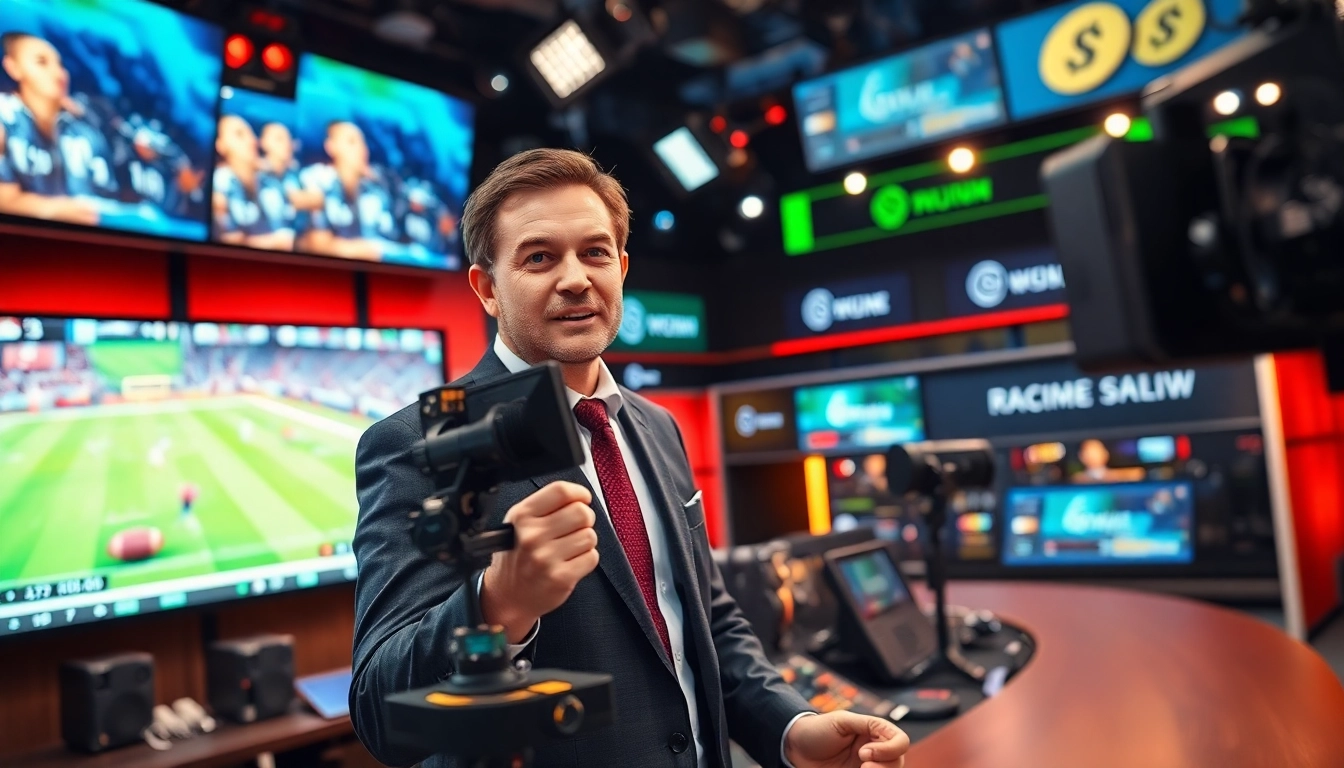
The Evolution of Sports Broadcasting
Sports broadcasting has undergone a remarkable transformation over the decades, reflecting the changing landscape of technology, societal attitudes, and viewer expectations. The move from radio to television and now to digital platforms demonstrates a continual adaptation to improve the viewing experience. Today, the industry is pushing the boundaries of innovation, embracing new technologies and strategies to captivate audiences. From its early days to the sophisticated production techniques we see today, the evolution of Sports Broadcasting encompasses various key factors that are pivotal in understanding its current and future landscape.
History of Sports Broadcasting
The journey of sports broadcasting began with radio, where games were described to listeners, creating a sense of proximity to events that many could not attend. The first significant broadcast of a sporting event occurred in 1921, featuring a boxing match. This marked the genesis of modern sports broadcasting.
Television soon entered the scene in the 1930s, offering a visual experience that would change the game forever. The first televised sports event was a college baseball game in 1939, which captivated audiences and demonstrated the potential of sports on TV. The 1950s saw the introduction of live broadcasts, allowing fans to witness the events as they unfolded.
As the decades progressed, sporting events grew increasingly popular on television, leading to major deals being struck between leagues and broadcasting networks. The Super Bowl, for example, became a hallmark of entertainment, drawing in massive audiences and advertising revenues. In the late 1990s and early 2000s, the internet began to reshape the landscape, paving the way for streaming services.
Impact of Technology on Sports Broadcasting
Technology has played a crucial role in shaping sports broadcasting, enhancing how events are produced and presented. The advent of high-definition broadcasting in the early 2000s vastly improved picture quality, allowing viewers to experience games as if they were in the stadium. Following this, 4K and 8K technologies have emerged, delivering even greater detail.
Moreover, innovations such as instant replay, multiple camera angles, and analytics have changed how audiences consume sports. These technologies not only enhance viewer engagement but also allow fans to access detailed statistics and analyses in real time, creating deeper connections to the events.
Evolving Viewer Expectations
Viewer expectations have drastically changed with the proliferation of advanced technology. Fans now demand immediate access to highlights, interactive features, and the ability to engage with live content on multiple platforms. The rise of social media has also transformed how sports are consumed, with fans participating in discussions and sharing moments rapidly following live events.
Moreover, personalized viewing experiences have become paramount. Broadcasting companies are increasingly implementing features that cater to individual preferences, allowing fans to select camera angles or commentary based on their interests. This shift towards personalization signifies a fundamental change in the broadcasting approach, where the viewer experience is at the forefront.
Key Technologies Shaping Sports Broadcasting
Live Streaming Innovations
Live streaming has become the backbone of sports broadcasting in recent years, particularly with the rise of digital platforms. The ability to broadcast events in real time via the internet allows networks to reach global audiences without traditional broadcasting constraints. Services like YouTube and Facebook Live have demonstrated the potential for fan engagement, drawing millions of viewers for significant events.
This technology democratizes content, enabling smaller organizations and leagues to stream events without extensive investment in infrastructure. Moreover, the integration of high-speed internet and mobile access allows fans to watch games on any device, further enhancing convenience.
Virtual and Augmented Reality Enhancements
Virtual reality (VR) and augmented reality (AR) are revolutionizing the sports broadcasting sector. These technologies allow fans to immerse themselves in the action, providing experiences that go beyond traditional viewing. For instance, VR can transport viewers to a virtual stadium seat, while AR can overlay statistics or player information during live games.
These innovations not only enhance engagement but also open up new avenues for advertising and sponsorship, making them compelling tools for broadcasters aiming to attract and retain audiences.
Cloud-Based Broadcasting Solutions
Cloud technology has transformed the logistics of sports broadcasting. Cloud-based solutions facilitate the storage and distribution of large amounts of video content, enabling broadcasters to streamline their operations. This technology offers scalability, allowing companies to adjust resources based on demand and ensuring minimal downtime during live events.
Moreover, collaboration among teams is enhanced through cloud solutions, as different entities can manage and access content from anywhere in the world. This flexibility leads to more dynamic production environments and can significantly lower costs associated with traditional broadcasting methods.
Business Models in Sports Broadcasting
Traditional vs. Digital Broadcasting Models
The broadcasting landscape has long been dominated by traditional television networks, which rely on advertising revenues and subscription fees. However, the digital age has ushered in a new wave of business models that challenge these traditional norms. Digital platforms tend to lean towards subscription-based models or pay-per-view services, offering fans greater flexibility in how they consume content.
This shift has resulted in growing competition between networks and streaming services, prompting traditional broadcasters to adapt by enhancing their offerings. Hybrid models, combining free ad-supported streaming with premium subscription options, are also gaining traction as a means of reaching broader audiences.
Subscription-Based Services Growth
The rise of subscription-based services has changed the dynamics of sports broadcasting significantly. Consumers are increasingly opting to pay for services that offer on-demand content and flexibility, resulting in a decline in traditional cable subscriptions. Sports leagues and networks have recognized this shift, launching their platforms to attract dedicated viewers.
These subscription models often come with unique offerings, such as exclusive content, early access to games, and additional perks like merchandise discounts, appealing directly to hardcore fans looking for more than basic coverage.
Advertising Opportunities and Challenges
Advertising remains a critical revenue stream for sports broadcasting, yet it faces unique challenges in the digital landscape. While advertisers can reach targeted demographic segments more effectively online, the fragmentation of audiences across platforms complicates ad strategy development.
Moreover, the rise of ad-blocking technology poses additional challenges. Broadcasters must find innovative ways to integrate sponsorship into content without alienating viewers. This has led to a trend toward more subtle product integrations and partnerships that fit seamlessly with the viewing experience.
Challenges in the Sports Broadcasting Industry
Dealing with Licensing and Rights Issues
Licensing and rights negotiations are foundational yet complex elements of sports broadcasting. Various leagues and organizations hold distinct broadcasting rights that can create barriers for networks and platforms seeking to air events. These negotiations can also lead to exclusive deals that may restrict access for certain audiences, spurring frustration among fans.
As the demand for diverse viewing options increases, networks must navigate these legal waters carefully, often needing to innovate partnerships that ensure compliance while maximizing content availability for audiences.
Maintaining Quality and Reliability
With the expectations of viewers at an all-time high, maintaining quality and reliability is paramount for sports broadcasters. Technical failures during live events can lead to significant dissatisfaction among fans and could tarnish a broadcaster’s reputation.
Investments in robust infrastructure, technology, and backup plans are essential in mitigating risks. Furthermore, establishing user support systems and feedback loops can help broadcasters respond swiftly to any potential issues.
Adapting to Market Trends
The sports broadcasting market is highly dynamic, influenced by changing consumer behavior and technological advancements. To succeed, broadcasters must remain agile, adapting to new trends and viewer preferences. Additionally, ongoing analysis of viewer engagement metrics, audience demographics, and competitive landscape insights will inform strategic adjustments.
Staying ahead of trends, such as the increasing demand for immersive experiences and the integration of analytics into broadcasting, can position organizations favorably within this competitive sector.
Future Trends in Sports Broadcasting
Integration of AI and Machine Learning
Artificial intelligence and machine learning are set to transform sports broadcasting in profound ways. These technologies can analyze vast amounts of data to produce insights about viewer preferences, game strategies, and player performance. AI-driven analytics can enhance broadcast content by supplying real-time statistics and personalized recommendations.
This capability can not only elevate the viewer experience but also support broadcasters in content creation, ad targeting, and optimizing live coverage, ultimately leading to more engaging broadcasts.
Personalization of Viewer Experience
The demand for personalized viewing experiences continues to rise, with broadcasters looking for ways to deliver tailored content. The personalization of sports broadcasting can include customized highlights based on a viewer’s favorite teams, enhanced commentary options, and interactive features allowing fans to drive their viewing experience.
Incorporating audience feedback mechanisms will also be crucial in refining these experiences, ensuring that each broadcast aligns with viewer desires and preferences, and ultimately increasing loyalty and satisfaction.
Emerging Platforms for Sports Broadcasting
The future of sports broadcasting will likely see the emergence of new platforms designed to cater specifically to sports enthusiasts. These platforms can capitalize on social media’s reach and the growing demand for streaming solutions, presenting opportunities for innovative distribution methods and unique content offerings.
As technology evolves, we may witness more integrated architectures where live events can be seamlessly shared across various platforms, enhancing visibility and fan interaction while fostering community around sports events.
Frequently Asked Questions
What is sports broadcasting?
Sports broadcasting refers to the dissemination of sports content, including live events, commentary, analysis, and highlights, through various media platforms like television, radio, and online streaming services.
How has technology impacted sports broadcasting?
Technology has significantly enhanced sports broadcasting through improved video quality, instant replays, analytics, and mobile accessibility, transforming viewer engagement and interaction with live events.
What are the challenges in sports broadcasting today?
Key challenges include dealing with licensing and rights issues, ensuring quality and reliability, and keeping pace with rapidly changing viewer preferences and market trends.
How are subscription services changing sports broadcasting?
Subscription services are providing more flexible viewing options and exclusive content, reshaping revenue models and attracting audiences that prefer on-demand access to sports programming.
What future trends should we expect in sports broadcasting?
Emerging trends include greater integration of AI and machine learning, personalized viewing experiences, and the rise of new platforms designed for engaging sports content delivery.