
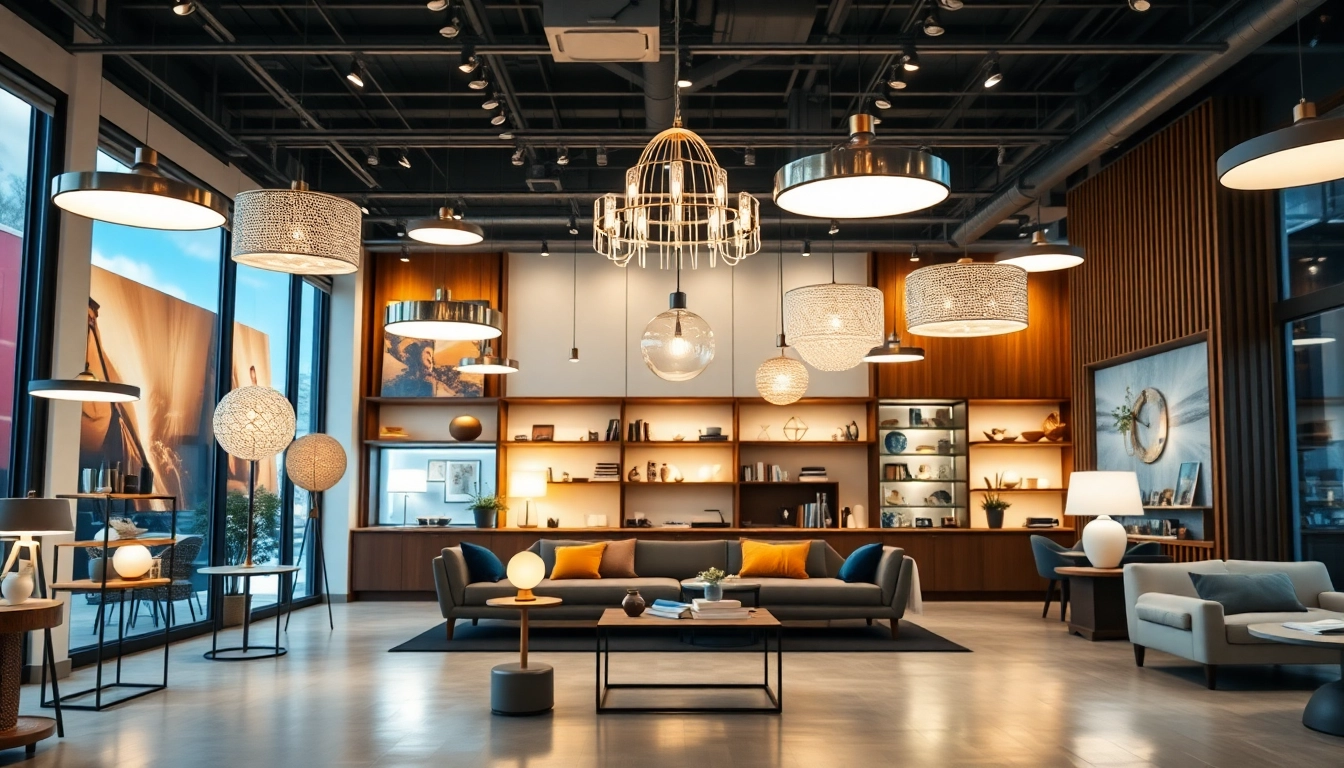
Understanding Modern Lighting
What is Modern Lighting?
Modern lighting encompasses a range of styles and technologies designed to enhance the visual appeal and functionality of living and working spaces. Its origins trace back to the early 20th century, characterized by sleek lines, minimalism, and an emphasis on innovative materials. Unlike traditional lighting, modern lighting often incorporates integrated technologies that promote energy efficiency and sustainability. This evolution reflects not just aesthetic preferences but also a shift towards functionality, where lighting plays a pivotal role in shaping an environment.
Key Trends in Modern Lighting Design
The landscape of modern lighting is constantly evolving, influenced by both technological advancements and shifting consumer preferences. Some of the key trends currently shaping the industry include:
- Smart Lighting: Integrating technology into lighting systems allows for remote control via smartphones or smart home devices, enhancing convenience and energy management.
- Energy-Efficient Solutions: The move towards LED lights and other energy-efficient technologies not only reduces electricity consumption but also minimizes environmental impact.
- Customizable Fixtures: Consumers seek personalized lighting solutions with adjustable brightness and color temperatures, allowing them to tailor fixtures to their specific needs.
- Eco-Friendly Materials: A growing demand for sustainable design has led to the use of recycled and natural materials in lighting fixtures.
Benefits of Choosing Modern Lighting
Choosing modern lighting comes with a host of advantages that can significantly impact how spaces are experienced. Key benefits include:
- Enhanced Aesthetics: Modern lighting enhances the design appeal of any room, creating an inviting atmosphere that resonates with contemporary tastes.
- Functionality: Innovations in lighting design often improve task performance through tailored illumination solutions suitable for various activities.
- Energy Efficiency: Modern lighting solutions, especially LED options, consume less energy, which can lead to substantial savings over time.
- Smart Features: Many modern fixtures offer adjustable settings, allowing users to switch styles and brightness levels according to mood and activity.
Types of Modern Lighting Fixtures
Different Styles of Ceiling Lights
Ceiling lights are central to any lighting scheme, and modern interpretations include a variety of styles. Popular choices include:
- Flush Mounts: These fixtures sit directly against the ceiling and offer a clean, unobtrusive look.
- Chandeliers: While traditional, modern chandeliers now feature sleek designs in unconventional materials, adding an element of luxury without overwhelming a space.
- Pendant Lights: Ideal over kitchen islands or dining areas, pendants add a distinct focal point, available in both minimalist and bold designs.
- Track Lighting: This flexible option provides directional light and can be customized for various settings, making it versatile for task or ambient purposes.
Innovative Table and Floor Lamps
Table and floor lamps are not just functional; they also add character to a space. Innovative designs in this category include:
- Architectural Desk Lamps: These lamps provide focused lighting for workspaces while also serving as sculptural elements.
- LED Floor Lamps: With their slim designs and energy-efficient bulbs, these lamps can be placed in tight spaces while still providing ample illumination.
- Multi-Functional Designs: Some lamps now combine lighting with storage or charging capabilities, catering to the modern need for practicality.
Decorative Wall Sconces to Enhance Ambiance
Wall sconces serve as both functional and decorative elements in modern spaces. When incorporated into a design, they can:
- Add Depth: Placing sconces at various heights can create a layered lighting effect, enhancing the visual appeal of walls.
- Provide Accent Lighting: Highlight art pieces or architectural features, making them stand out and adding interest to otherwise flat surfaces.
- Versatility: Available in a range of styles from contemporary to vintage, sconces can be used in living rooms, hallways, or even outdoor spaces.
Selecting the Right Lighting for Your Space
Assessing Your Lighting Needs
Choosing the right lighting for your space starts with understanding your unique needs. Begin by considering these questions:
- What activities will the space be used for? (e.g., reading, cooking, entertaining)
- What is the primary purpose of the room? (e.g., relaxation, work)
- How much natural light does the room receive throughout the day?
Answering these questions will help tailor the lighting to enhance each area’s functionality.
How to Choose Colors that Complement Your Decor
The color temperature of your lighting can dramatically influence the mood of a room. Generally, warmer tones (around 2700K to 3000K) create a cozy atmosphere, perfect for living rooms and bedrooms. Cooler tones (4000K and above) are ideal for task-oriented spaces like kitchens and offices, promoting alertness and focus. To enhance your decor:
- Match Lighting with Wall Colors: Light walls benefit from cooler lights, while darker walls glow beautifully with warm lighting.
- Consider Furniture Finishes: Metallic or polished surfaces reflect light differently; adjust your lighting choice accordingly to avoid harsh glare.
- Layering Colors: Use a combination of warm and cool lights to create depth and texture throughout your space.
Understanding Lumens and Wattage
When selecting modern lighting, understanding lumens and wattage is essential. Lumens measure brightness while wattage indicates energy consumption. With modern lighting technology:
- LED bulbs: Provide the same brightness as traditional bulbs while consuming significantly lower wattage.
- Calculating Needs: For general room lighting, aim for 100-150 lumens per square meter; for task lighting, this can increase to 300 lumens or more.
- Choosing Wisely: Always check the lumen output rather than wattage when purchasing modern lighting, as efficiency varies greatly across bulb types.
Best Practices for Installing Modern Lighting
DIY Installation Tips
While many modern lighting fixtures can be installed by DIY enthusiasts, proper guidelines should be followed to ensure safety and effectiveness. Consider these tips:
- Read Instructions: Always follow the manufacturer’s guidelines for installation.
- Turn Off Power: Before starting any installation, turn off the circuit breaker to prevent electrical shocks.
- Use the Right Tools: Ensure you have the necessary tools, such as screwdrivers, wire strippers, and pliers.
When to Call a Professional Electrician
While some installations are straightforward, certain situations warrant professional help:
- If you need to install fixtures in complex areas such as high ceilings or hard-to-reach spaces.
- When rewiring or upgrading an electrical system, it’s crucial to ensure safety standards are met.
- If you encounter any electrical issues, such as flickering lights or tripped circuit breakers.
Maintenance Tips for Longevity
To extend the lifespan and efficiency of your modern lighting fixtures, consider these maintenance best practices:
- Regular Cleaning: Dust and clean light fixtures regularly to avoid accumulation that can diminish brightness.
- Replace Bulbs: When bulbs burn out, replace them promptly with compatible fixtures to maintain consistency in lighting.
- Check for Wear: Periodically inspect the wiring and mounting of fixtures to identify any signs of wear or damage.
Frequently Asked Questions
What Styles of Modern Lighting are Popular?
Contemporary, industrial, and minimalist styles are highly sought after for modern spaces. These designs provide clean lines and functionality.
How to Choose the Right Light Bulb?
Consider brightness (lumens), color temperature (Kelvin), and energy efficiency ratings. Each of these factors impacts the overall ambiance of a space.
Can I Mix Lighting Styles?
Yes, combining styles can add interest; aim for complementary elements for cohesion. Mixing fixtures can create a personalized and unique feel.
What Is the Best Way to Position Lights?
Layer lighting types; use overhead, task, and accent lighting for balanced illumination. This mix enhances functionality and aesthetics simultaneously.
How Does Lighting Affect Room Mood?
Soft, warm light creates a cozy ambiance, while bright, cool light can energize a space, influencing the atmosphere significantly.