
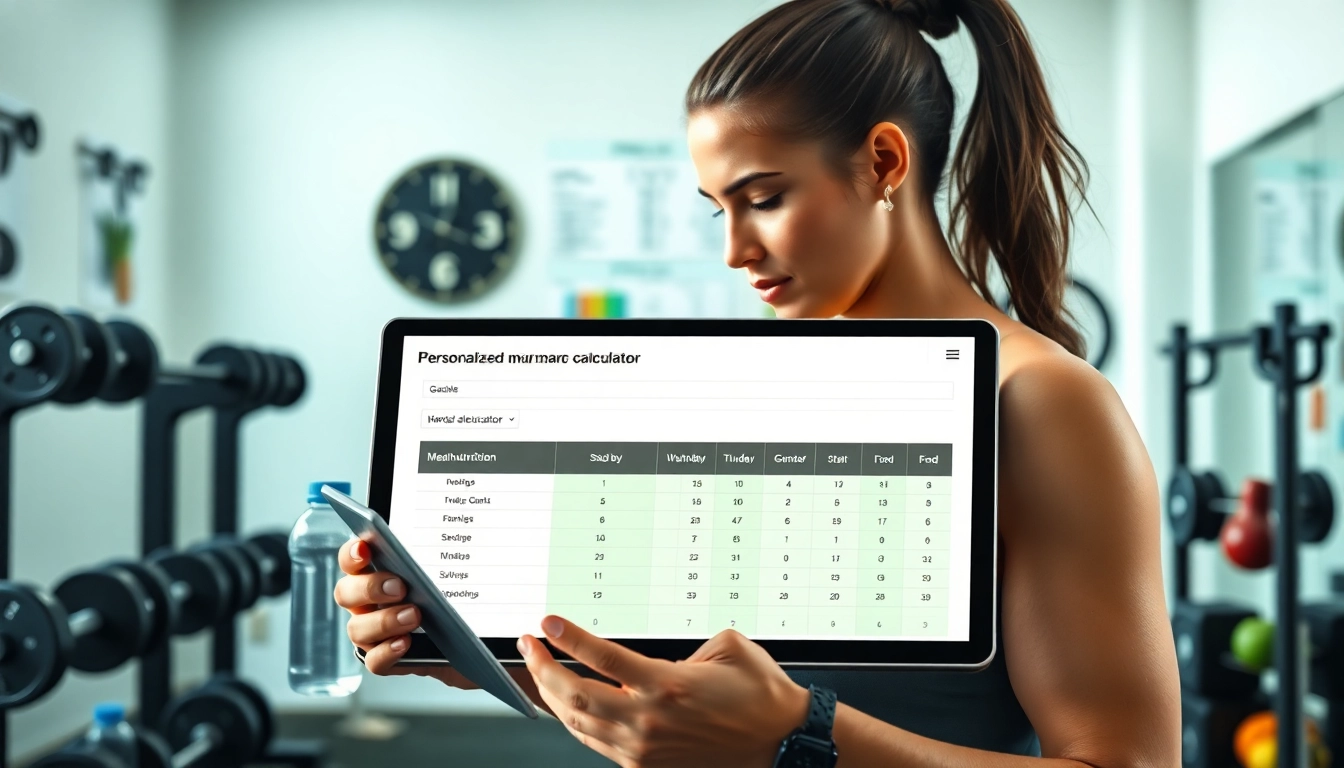
Understanding the Basics of Macronutrients
What are Macronutrients?
Macronutrients are the nutrients required by the body in large amounts to provide energy, support metabolism, and facilitate various bodily functions. They include carbohydrates, proteins, and fats, each playing crucial roles in maintaining overall health and wellbeing. Understanding these macronutrients is pivotal for anyone looking to manage their nutrition, whether for weight loss, muscle gain, or simply to eat healthier.
The Role of Carbohydrates, Proteins, and Fats
Carbohydrates are the body’s primary energy source, essential for fueling brain function and physical activity. They can be categorized into simple carbohydrates, like sugars, and complex carbohydrates, such as starches and fibers.
Proteins are vital for the growth, repair, and maintenance of body tissues. They consist of amino acids, which are the building blocks of muscles, enzymes, hormones, and other crucial molecules.
Fats, often misunderstood, are also essential for the body. They provide a concentrated energy source, assist in the absorption of fat-soluble vitamins (A, D, E, and K), and support cell structure and function.
Benefits of Tracking Your Macronutrients
Tracking macronutrients helps in creating a balanced diet tailored to individual goals. By using a macro calculator, you can establish precise intake levels based on personal factors such as age, weight, and exercise habits. This practice enhances dietary awareness, allows for better nutritional choices, helps prevent excessive calorie consumption, and supports effective weight management strategies.
How to Use a Macro Calculator Effectively
Inputting Your Personal Data
To leverage a macro calculator effectively, you need to input accurate personal data. This includes your age, height, weight, gender, activity level, and specific dietary goals (such as weight loss, maintenance, or muscle gain). Most calculators also require additional information concerning your target weight or body fat percentage. Inputting precise data is vital for receiving accurate macro nutrient recommendations.
Understanding Output Results from the Macro Calculator
The output from a macro calculator typically includes your Total Daily Energy Expenditure (TDEE) and the suggested distribution of macronutrients (carbohydrates, proteins, and fats) based on your goals. This breakdown will usually provide you with the number of grams to consume from each macronutrient. Understanding these outputs is crucial for making informed dietary decisions and adapting your meal plans accordingly.
Adjusting Macros for Different Goals
Adapting your macronutrient ratios is essential when changing your fitness goals. For instance, if you want to lose weight, it may be beneficial to reduce carbohydrate intake while increasing protein for muscle preservation. Conversely, if muscle gain is your goal, a higher carbohydrate intake may support increased energy and recovery. The macro calculator can help illustrate these changes, and it’s essential to monitor your progress and adjust intake as necessary to stay aligned with your goals.
Common Challenges with Macro Tracking
Overcoming Miscalculations
One common challenge faced by individuals tracking macronutrients is miscalculation. This can occur due to incorrect input of personal data, errors in food portioning, or inaccuracies in food labeling. To overcome such challenges, it’s crucial to double-check calculations, utilize reputable food databases, and consider investing in a food scale for precise measurement of serving sizes. Awareness of these potential misunderstandings will ensure that your tracking remains accurate and beneficial.
Staying Consistent with Tracking
Consistency is key when tracking macros for achieving health goals. Many people struggle with maintaining a regular pattern of tracking due to busy lifestyles or lack of motivation. Adopting a routine, like tracking meals immediately after consumption or using apps that facilitate easy logging, can help maintain adherence. Setting reminders, creating meal plans in advance, and employing support from friends or online communities can also reinforce commitment to tracking.
Finding Balance with Flexibility in Diet
While tracking macronutrients is beneficial, inflexibility can lead to feelings of deprivation. Finding a balance between strict tracking and allowing for flexibility in your diet is crucial. Recognize that occasional indulgences are a part of a healthy lifestyle. Macros can often be adjusted within a framework of flexibility, meaning you can still enjoy your favorite foods by adjusting other meal components or by using a planned cheat day once in a while.
Advanced Strategies for Optimizing Macro Intake
Integrating Supplements with Macronutrient Goals
For those committed to specific fitness regimes, integrating dietary supplements can enhance nutrient intake without excessive caloric burden. Protein powders, omega-3 fatty acids, and multivitamins can be aligned with macro goals to help meet required levels while promoting muscle recovery and general health. However, supplements should never replace whole foods, as they lack the broad spectrum of nutrients found in natural sources.
Adapting to Different Lifestyle Changes
Life can introduce various challenges that disrupt your eating patterns, such as travel, work stress, or changes in fitness routines. Adaptation is vital; if you’re unable to track macros as strictly, focus on maintaining healthy choices in meal selections and portion sizes. Educating yourself on how to choose balanced meals on-the-go can preserve your progress without losing sight of your goals.
Using Technology for Enhanced Tracking
Technology can significantly enhance your macro tracking and dietary management experience. Numerous applications facilitate food logging, provide nutritional information, and even allow for barcode scanning of food items to simplify tracking. Additionally, wearable technology can help monitor physical activity levels, caloric expenditure, and integrate these data points into your overall nutritional strategy, leading to more refined tracking and better results.
Measuring Success: Metrics Beyond the Scale
Tracking Performance Improvements
Success in tracking macros isn’t solely indicative of weight loss; it also includes performance enhancements in daily activities and exercise routines. Tracking metrics such as strength improvements, endurance, and recovery times can provide a more holistic view of your progress compared to relying exclusively on the scale. Maintaining a workout journal alongside your diet tracking can illuminate areas of progress that often go unnoticed.
Understanding Body Composition Changes
Monitoring body composition—understanding the ratio of fat mass to lean mass—offers valuable insight into your health beyond weight alone. Regular body composition assessments, such as skinfold measurements or bioelectrical impedance analysis, can represent the efficacy of your macro tracking in achieving desired fitness results. Tracking these changes over time can serve as motivation and highlight the positive effects of your dietary choices.
Setting Long-Term Nutrition Goals
Long-term success in nutrition should involve setting realistic goals to sustain healthy eating habits. Developing a nutrition strategy that evolves as your fitness journey progresses will aid in maintaining motivation. Setting specific targets, reassessing your macro ratios as needed, and regularly reviewing your overall health goals will help solidify your commitment to a balanced diet and healthy lifestyle.