Understanding Water Leak Detection
What is Water Leak Detection?
Water leak detection refers to the process of identifying leaks within plumbing systems and structures, such as residential homes, commercial buildings, and industrial settings. This process helps homeowners and business owners mitigate the potential hazards and damage that leaks can cause. Water leaks can lead to extensive property damage, costly repairs, and the growth of mold and mildew, which can severely impact health. Regular inspection and monitoring of plumbing systems, therefore, become critical for maintaining safety and integrity.
Common Causes of Water Leaks in Homes
Understanding the common causes of water leaks enables homeowners to take preventative measures. Here are several prevalent causes:
- Corroded Pipes: Over time, plumbing pipes can corrode due to age, causing cracks and leaks.
- Improper Installation: Poorly installed pipes or fixtures can lead to leaks as they may not be properly sealed.
- Extreme Weather Changes: Freezing temperatures can cause pipes to expand and crack, leading to leaks when the weather warms up.
- High Water Pressure: Excessively high water pressure can strain pipes, causing them to rupture.
- Regular Wear and Tear: Over time, the seals around fixtures can deteriorate, leading to leaks.
The Importance of Timely Water Leak Detection
Timely detection of water leaks is vital for several reasons:
- Damage Minimization: Early detection can prevent extensive damage to walls, floors, and foundational structures.
- Mold Prevention: Mold thrives in moist environments; detecting leaks early helps in preventing mold growth that can harm health.
- Cost Savings: Preventing major repairs through early detection can save homeowners significant amounts of money in the long run.
- Preservation of Property Value: Regular maintenance and leak detection help maintain property value by ensuring structural integrity.
Types of Water Leak Detection Systems
Smart Water Leak Detectors
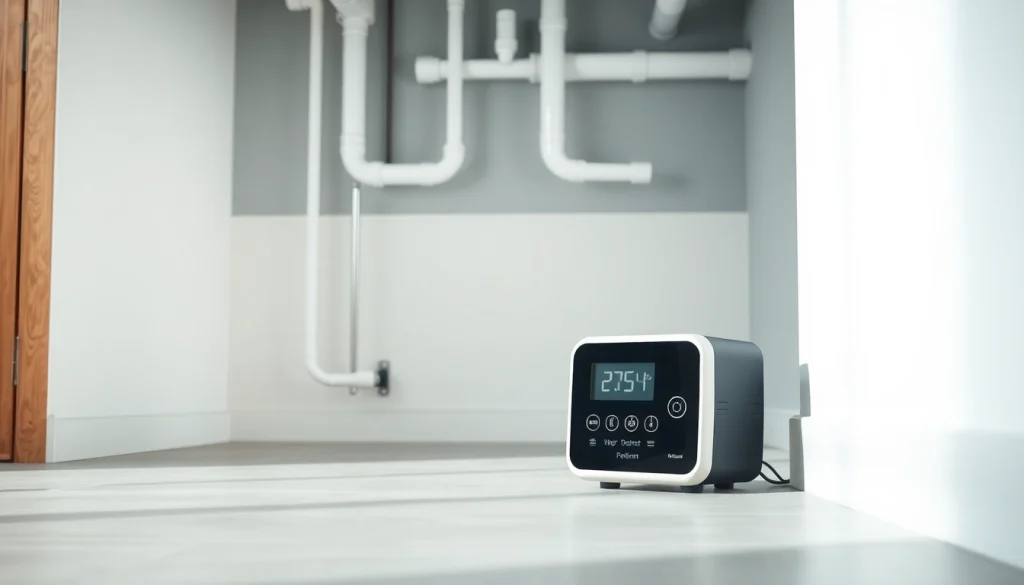
Smart water leak detectors have become a popular choice among homeowners due to their efficiency and integration with smart home systems. These devices can alert homeowners via smartphone notifications when a leak is detected, allowing for immediate action. Many smart detectors are equipped with features such as:
- Real-time Monitoring: Continuous surveillance of water usage and leak detection.
- Remote Alerts: Notifications sent directly to mobile devices for fast response times.
- Integration with Smart Home Systems: Compatibility with systems such as Google Home and Amazon Alexa for voice control and automation.
Traditional Leak Detection Methods
While technology has advanced, traditional leak detection methods still play a vital role, particularly in situations where digital solutions may not be feasible. Methods include:
- Visual Inspection: Homeowners can regularly inspect pipes and fixtures for visible leaks or signs of water stains.
- Pressure Testing: A professional can perform pressure tests to ensure that pipes are holding the proper pressure without leaking.
- Thermal Imaging: Using infrared cameras, professionals can detect temperature variations indicating the presence of water.
Comparing Passive and Active Systems
When choosing a water leak detection system, understanding the difference between passive and active systems is essential:
- Passive Systems: These systems rely on manual checks and inspections. Homeowners need to remain vigilant and proactive to detect leaks.
- Active Systems: These involve automated detection devices that provide real-time monitoring and alerts, substantially reducing the risk of undetected leaks.
How to Choose the Right Water Leak Detection System
Considerations for Different Environments
Different environments, such as residential homes, commercial buildings, and industrial sites, have unique needs:
- Residential: Smart detectors that integrate with home automation systems may be ideal for homeowners.
- Commercial: Businesses may require more robust systems with higher sensitivity and wider coverage areas.
- Industrial: Specialized leak detection systems that can monitor large and complex piping networks are essential.
Budgeting for Water Leak Detection Solutions
When budgeting for a water leak detection system, consider:
- Initial Costs: This includes the purchase price of the system and installation costs.
- Maintenance Costs: Ongoing costs for system monitoring, maintenance, and battery replacements.
- Potential Savings: Factor in the savings from avoided repairs and reduced water bills due to leak detection.
Understanding Installation Requirements
Installation requirements can vary by system type:
- DIY Installations: Many smart leak detectors are designed for easy self-installation, often involving simple setup procedures.
- Professional Installations: Complex systems, especially those that require integration with existing plumbing, may need professionals for optimal performance.
Benefits of Effective Water Leak Detection
Preventing Water Damage and Mold Growth
Effective water leak detection can significantly reduce the risk of water damage and mold growth. By continuously monitoring for leaks, systems can alert homeowners immediately, allowing them to address issues before they escalate. This proactive approach is particularly important in preventing mold, which can pose serious health risks.
Enhancing Home Value with Modern Solutions
Integrating modern leak detection solutions not only improves safety but also adds value to your property. Smart technologies appeal to buyers looking for homes equipped with the latest safety features and energy-efficient systems. Properly maintained homes with modern leak detection are more attractive in real estate markets.
Reducing Water Waste and Utility Bills
Water leak detection can lead to substantial savings in utility bills. By identifying and fixing leaks promptly, homeowners can reduce water wastage. The environmental benefits of less water consumption are equally significant, contributing to sustainable living practices.
Best Practices for Implementing Water Leak Detection
Regular Maintenance Tips for Water Leak Detectors
To ensure the longevity and effectiveness of water leak detection systems:
- Test Your System Regularly: Make sure to conduct periodic tests to ensure all components of your system are functioning correctly.
- Keep Batteries Fresh: Replace batteries in devices that rely on them regularly to prevent failures.
- Review System Settings: Ensure that your alert settings are appropriate and that remote notifications are enabled.
Integrating Leak Detection with Smart Home Systems
Many homeowners find it beneficial to integrate their leak detection systems with existing smart home technologies. This integration can enhance functionality, allowing for automated notifications and remote monitoring. Some steps include:
- Connecting to Smart Hubs: Devices like Google Home or Amazon Echo allow for voice commands and automation.
- Automated Shut-off Valves: These systems can be programmed to shut off the water supply if a leak is detected, preventing further damage.
- Mobile Alerts: Keeping alerts enabled on mobile devices ensures immediate responses to leak detection notifications.
Key Metrics for Evaluating Detection System Performance
When assessing the effectiveness of a water leak detection system, consider the following metrics:
- Response Time: Measure how quickly the system notifies you of a leak.
- Detection Accuracy: Evaluate the reliability of the system in accurately detecting leaks.
- Coverage Area: Ensure that the detectors adequately cover the necessary areas without gaps.
In conclusion, ensuring proper water leak detection is crucial for safeguarding homes from damage and maintaining property values. By understanding the different types of systems available, their benefits, and best practices, homeowners can make informed decisions that will enhance safety and efficiency in their homes.