Understanding Structural Steel Installation
Definition of Structural Steel Installation
Structural steel installation refers to the process of erecting steel structures in a construction environment. This involves assembling steel beams, columns, and other necessary components to create a framework that supports a building or infrastructure. The installation process is critical because it provides the structural integrity required for a safe and durable construction. Proper execution directly impacts the building's performance and longevity.
Importance in Construction
The significance of structural steel installation cannot be overstated. It serves as the backbone of many commercial and industrial buildings due to its high strength-to-weight ratio. This durability allows for taller structures with wider spacing between columns, which promotes more usable space within the building. Furthermore, steel's resistance to natural elements and its recyclability make it a preferred choice in modern sustainable construction practices.
Common Applications
Structural steel is utilized in a variety of applications including:
- Commercial Buildings: High-rises and office complexes
- Industrial Structures: Factories and warehouses
- Infrastructure Projects: Bridges and public transport systems
- Residential Buildings: Flexible housing options like modular homes
Preparation for Structural Steel Installation
Essential Pre-Installation Steps
The success of a structural steel installation project hinges on thorough preparation. Key pre-installation steps include:
- Project Planning: Develop a comprehensive project plan detailing timelines, costs, and resource allocation.
- Design Evaluation: Ensure that the structural design complies with building codes and engineering standards.
- Permitting and Approvals: Obtain all necessary local permits and inspections to avoid legal obstacles.
Evaluating Site Conditions
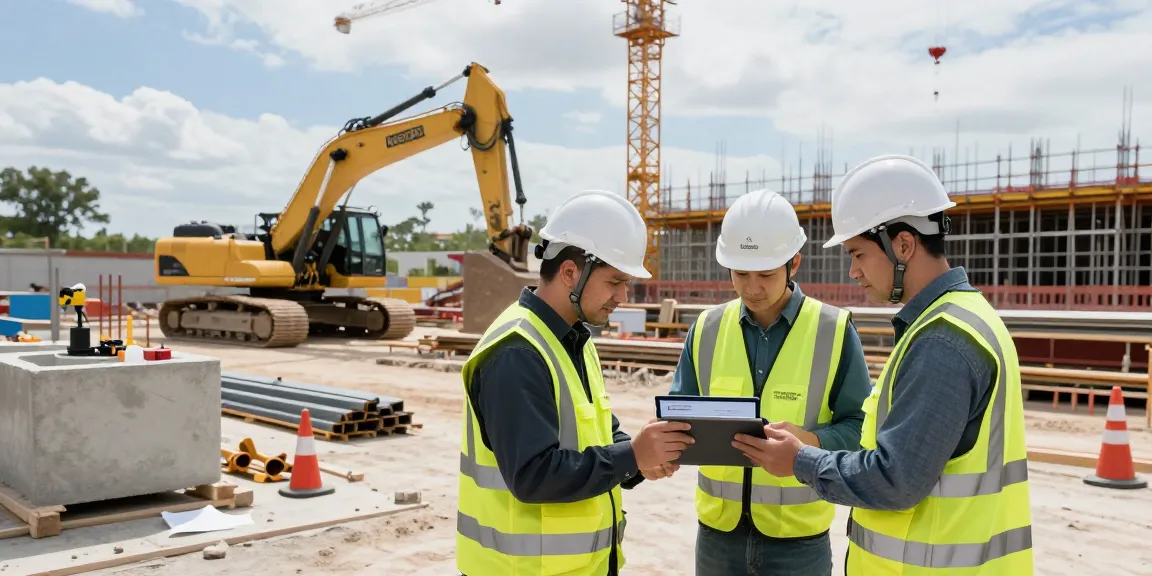
Before commencing the installation, it's vital to assess the site conditions meticulously. This includes checking soil stability, drainage systems, and existing utilities. Any underlying issues must be addressed to prevent complications during construction. Considerations such as environmental impact and site accessibility also play a crucial role in project execution.
Gathering Necessary Equipment
Having the right equipment is vital for efficient structural steel installation. Essential tools may include:
- Crane and hoisting equipment for lifting heavy steel components
- Welding machines and tools for connecting parts
- Measuring and leveling instruments to ensure precision
- Safety equipment to protect workers during the installation process
Key Steps in the Structural Steel Installation Process
Hoisting and Placing Steel Beams
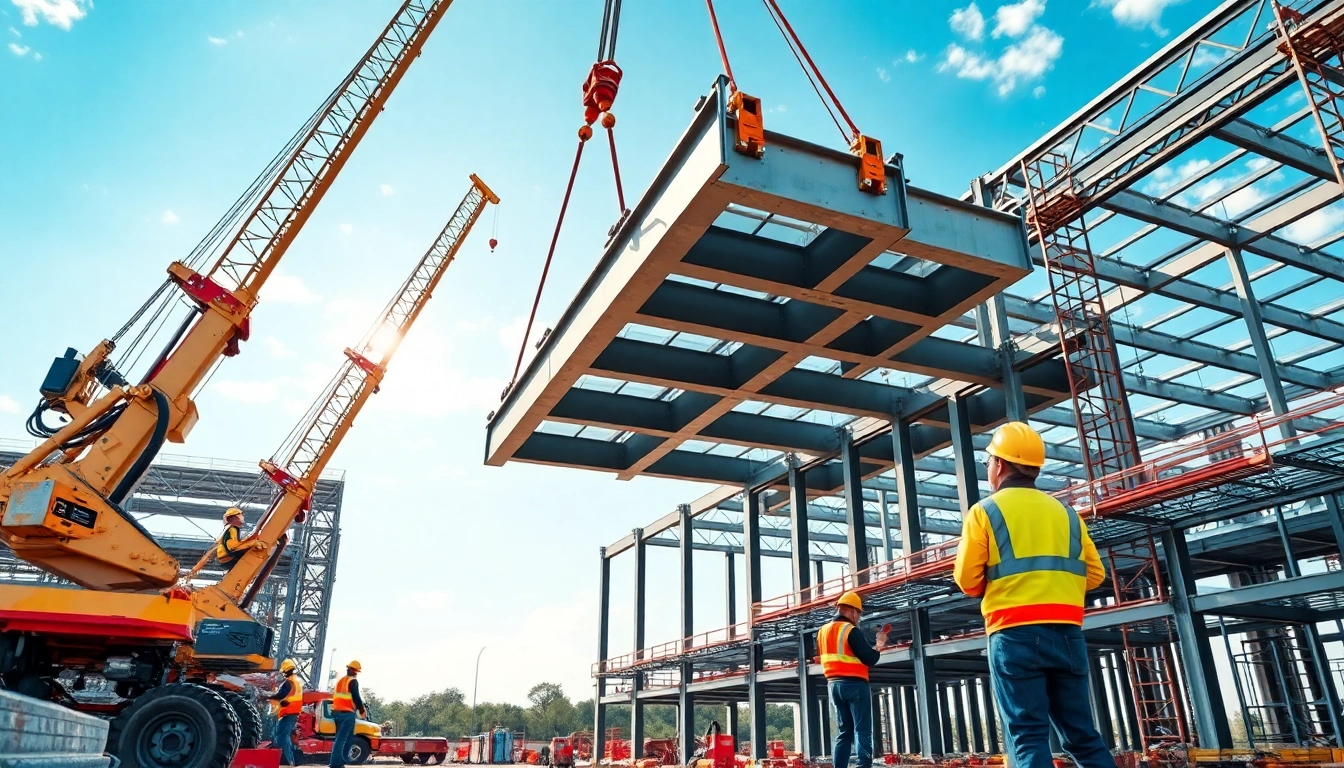
The initial phase of installation involves hoisting the steel beams into position. Cranes are typically used for this purpose. The accuracy of this step is paramount; misalignment can lead to structural weaknesses. Durable and effective rigging systems should be employed to ensure safety and precision during the lifting process.
Connecting Steel Components
After placement, the focus shifts to connecting the steel components. This can be accomplished using welding, bolting, or a combination of both methods. Each technique has distinct advantages; bolting allows for quicker adjustments, while welding may provide enhanced strength. It’s essential to adhere to industry standards during this stage to ensure structural reliability.
Quality Assurance Techniques
Quality assurance is critical throughout the installation process. This involves regular inspections and assessments to check for compliance with the project's specifications. The use of non-destructive testing methods, such as ultrasonic testing and magnetic particle inspection, is recommended to evaluate welds and connections without damaging the materials. Documentation of these checks provides a reliable record for future reference and potential auditing.
Common Challenges in Structural Steel Installation
Weather-Related Issues
Weather conditions such as rain, snow, or high winds can significantly impact structural steel installations. Adverse weather can delay timelines and expose workers to hazardous conditions. Implementing an adaptable work schedule and ensuring that workers are equipped with appropriate safety gear can help mitigate these risks.
Safety and Compliance Risks
Safety regulations surrounding construction and installation practices are stringent. Compliance with OSHA (Occupational Safety and Health Administration) guidelines is necessary to protect workers. Regular safety training and providing personal protective equipment (PPE) are crucial measures to minimize the risk of accidents and enhance workplace safety.
Logistical Challenges
Logistics management is vital in ensuring that materials arrive on schedule without compromising quality. Delays in material supply or equipment malfunction can stall the entire project. Working with reliable suppliers and using project management tools can help streamline operations and minimize logistics challenges during construction.
Future Trends in Structural Steel Installation
Automation and Robotics
The integration of automation in structural steel installation is on the rise. Robotics enhances efficiency in repetitive tasks, reducing reliance on manual labor and increasing precision. This trend is expected to expand as technology advances, leading to improved safety and construction speed.
Advanced Materials and Techniques
Innovations in materials, such as high-strength steel and composite elements, are revolutionizing the industry. These new materials not only improve structural integrity but also reduce overall weight, leading to significant cost savings in transportation and installation. New techniques like modular construction are also gaining traction as they can significantly streamline the installation process.
Environmental Considerations
The construction industry is moving toward sustainability, advocating for the use of recyclable materials and eco-friendly practices in structural steel installation. Frameworks that allow for easy disassembly and recycling of materials at the end of a building's lifecycle are becoming more prevalent, supported by both regulatory requirements and a growing awareness of environmental responsibilities.
Frequently Asked Questions
What is structural steel installation?
Structural steel installation involves the assembly of steel components into a framework for buildings and other infrastructures, ensuring they are securely connected and compliant with specifications.
How is structural steel installed?
Installation typically involves hoisting steel beams into place, connecting them, and ensuring stability through welds or bolts while adhering to safety and quality standards.
What equipment is needed for structural steel installation?
Essential equipment includes cranes for hoisting, welding tools for connections, and safety gear for workers to ensure a safe and effective installation process.
How do weather conditions affect steel installation?
Inclement weather can delay progress and pose risks to worker safety. Planning for adverse weather through flexible scheduling and appropriate precautions is vital.
What are the future trends in steel installation?
Automation, advanced materials, and heightened environmental considerations are shaping the future of structural steel installation, promoting efficiency and sustainability.