Introduction to Custom Steel Fabrication
In the ever-evolving landscape of modern industry, custom steel fabrication has emerged as a vital component in several sectors. This process encompasses the creation of specialized steel structures, components, and assemblies, tailored to meet the unique specifications of various applications. More than just a manufacturing method, custom steel fabrication represents a convergence of engineering, design innovation, and practical implementation, which ultimately drives productivity and efficiency across multiple industries.
Defining Custom Steel Fabrication
Custom steel fabrication refers to the process of designing and manufacturing steel products that are customized to meet specific requirements. Unlike mass production, which focuses on standard sizes and shapes, custom fabrication allows for flexibility in dimensions, material grades, and design intricacies. This approach ensures that the final product aligns with the precise needs of a project, whether it is a simple bracket or a complex framework for a high-rise building.
Importance in Various Industries
The relevance of custom steel fabrication extends across numerous sectors, from construction and automotive to aerospace and manufacturing. In construction, custom steel components are used to create durable frameworks, whereas in the automotive industry, unique steel parts enhance vehicle performance and safety. The adaptability of custom fabrication means that it can be utilized in smaller-scale projects, such as residential modifications, as well as substantial infrastructure developments like bridges and skyscrapers. This versatility underscores its essential role in facilitating innovation and efficiency within various fields.
Overview of the Fabrication Process
The fabrication process typically involves several stages, beginning with design and engineering. Advanced software allows engineers to develop detailed blueprints that lay the foundation for the fabrication work. This is followed by the selection of materials and methods suited to the project. Key stages include machining, welding, cutting, and finishing, where precision and attention to detail are paramount to achieving high-quality results. Together, these phases encapsulate the intricate nature of custom steel fabrication, highlighting the skill and expertise required to turn conceptual designs into tangible structures.
Techniques in Custom Steel Fabrication
The precision and quality of custom steel fabrication largely depend on the techniques employed throughout the manufacturing process. Understanding these techniques is crucial for any project manager, designer, or engineer involved in steel construction.
Machining Methods Explained
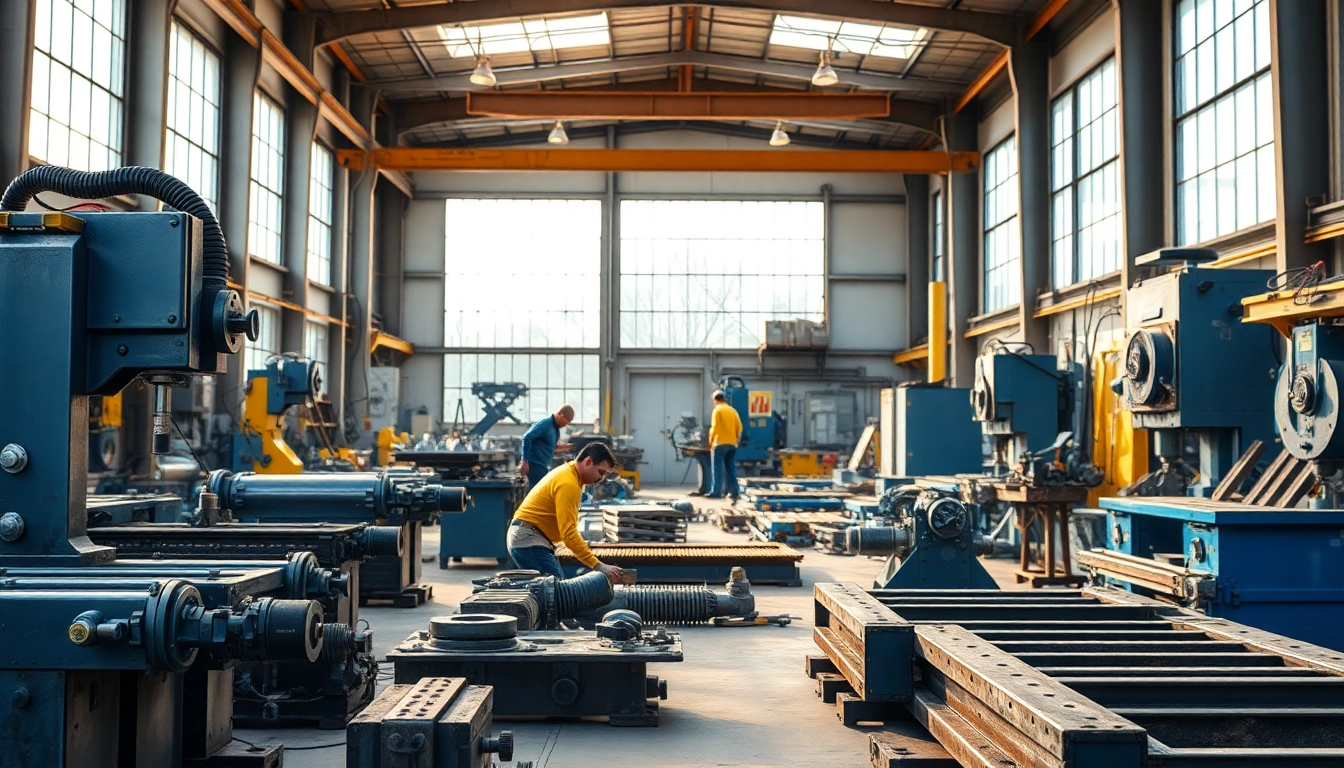
Machining is a fundamental technique in custom steel fabrication that involves the removal of material to achieve the desired shape and tolerance. Common machining methods include CNC (Computer Numerical Control) milling, turning, and drilling. CNC milling, in particular, enables intricate designs to be crafted with high accuracy, while turning is ideal for producing cylindrical parts. Drilling facilitates the creation of holes necessary for assembly or mounting. Employing these methods effectively ensures that fabricated components meet the specified dimensions and surface finishes, thereby enhancing their performance and longevity.
Welding Technologies and Applications
Welding is another cornerstone of custom steel fabrication, vital for joining metal pieces to create a secure and durable assembly. Various welding methods—such as MIG (Metal Inert Gas) welding, TIG (Tungsten Inert Gas) welding, and stick welding—offer diverse advantages. MIG welding is favored for its speed and efficiency, making it suitable for high-volume production. TIG welding produces high-quality welds and is ideal for thin materials or applications that require aesthetically pleasing joins. The choice of welding technology is driven by factors such as material type, thickness, and the specific requirements of the assembled structure.
Cutting Techniques for Precision
Precision cutting techniques play a significant role in the fabrication process, ensuring that materials are shaped accurately without excessive waste. Common cutting methods include plasma cutting, laser cutting, and water jet cutting. Each technique offers distinct advantages: plasma cutting is known for its versatility and speed, while laser cutting provides extreme accuracy for intricate designs. Water jet cutting is particularly favored for its ability to cut through thick materials without generating heat, thereby preserving the structural integrity of the steel. The choice of cutting technique should align with the project’s goals and requirements, enhancing efficiency while maintaining quality.
Materials Used in Custom Steel Fabrication
The selection of materials is a critical aspect of custom steel fabrication, impacting not only the durability and performance of the final product but also cost efficiency and environmental sustainability.
Grades of Steel and Their Properties
Steel comes in various grades, each possessing distinct physical and chemical properties, as well as suitability for different applications. Common grades include Mild Steel, Stainless Steel, and Alloy Steel. Mild Steel, characterized by its ductility and affordability, is often used in structural applications. Stainless Steel, with its corrosion-resistant properties, is ideal for environments exposed to moisture or corrosive elements. Alloy Steel, which includes a combination of metals, offers enhanced strength and durability, making it suitable for high-stress applications. Understanding the properties of each grade is essential for selecting the right material for specific projects.
Choosing the Right Material for Your Project
Choosing the appropriate material is crucial for ensuring the success of custom steel fabrication projects. Factors such as load-bearing requirements, environmental conditions, and cost constraints must be considered when selecting steel grades. Additionally, the application’s specific demands—including factors like weldability, machinability, and desired finish—should guide material selection. Collaborating with experts in steel fabrication can provide invaluable insights that lead to optimal material choices, ultimately resulting in more effective and efficient outcomes.
Environmental Considerations in Material Selection
As sustainability becomes an increasingly pressing concern in manufacturing, environmental considerations must play a significant role in the selection of materials for custom steel fabrication. Utilizing recycled steel, for example, can significantly reduce the carbon footprint associated with raw material extraction. Furthermore, selecting materials that are energy-efficient during production and use can contribute to a more sustainable fabrication process. By prioritizing environmentally friendly practices, fabricators can not only meet regulatory compliance but also enhance their reputation among environmentally conscious consumers.
Applications of Custom Steel Fabrication
Custom steel fabrication finds applications across numerous fields, each benefiting from its unique properties and capabilities. Understanding these applications can help stakeholders recognize the value and versatility of custom fabrication in their respective projects.
Construction and Infrastructure Projects
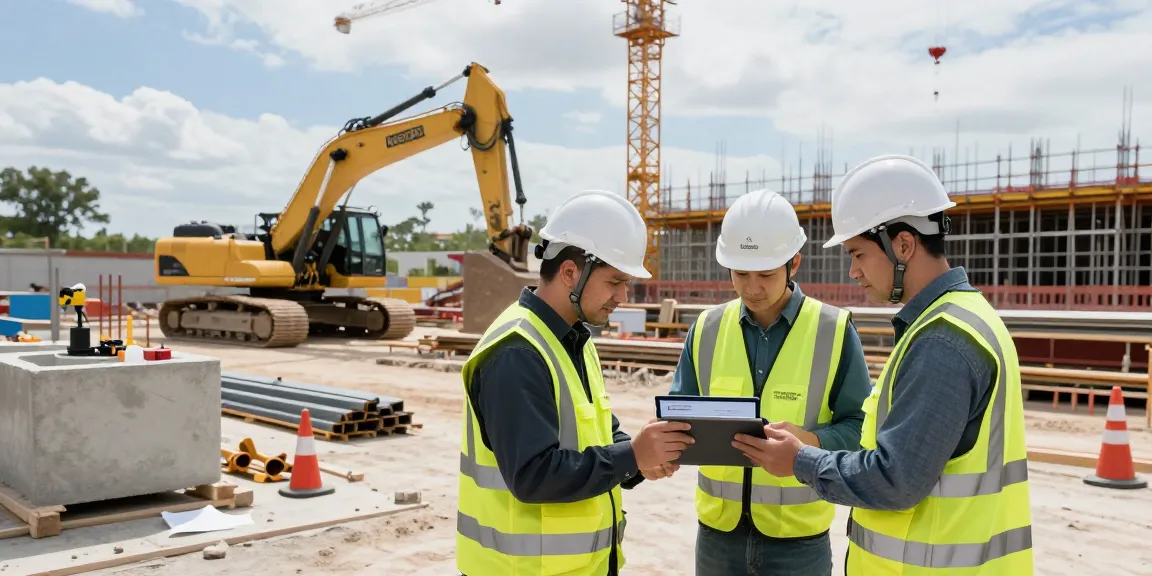
The construction industry is the most prominent sector utilizing custom steel fabrication, where steel's strength, durability, and flexibility are invaluable. From steel beams and columns to custom brackets and reinforcements, fabricated steel components form the backbone of infrastructure projects ranging from residential buildings to large-scale commercial structures. The ability to create bespoke designs tailored to specific architectural requirements further highlights the importance of custom fabrication in enhancing both aesthetics and structural integrity in construction.
Manufacturing Equipment and Machinery
In manufacturing, custom steel fabrication is essential for creating specialized equipment and machinery tailored to specific production processes. From conveyor systems to custom tooling, the fabrication of steel components enhances productivity and efficiency on the factory floor. The precision inherent in custom fabrication allows manufacturers to design machinery that meets their unique operational needs, ultimately contributing to reduced downtime and increased throughput.
Automotive and Aerospace Industries
The automotive and aerospace industries heavily depend on custom steel fabrication for the production of critical components that require not only strength but also a high level of precision. In automotive manufacturing, bespoke steel parts enhance vehicle performance, safety, and compliance with regulatory standards. Similarly, the aerospace sector demands strict adherence to weight-to-strength ratios, making custom fabrication a vital process for producing lightweight yet durable components, including frames and other structural elements. The ability to customize designs to meet stringent safety and performance requirements exemplifies the invaluable nature of custom steel fabrication in these demanding industries.
Future Trends in Custom Steel Fabrication
The custom steel fabrication industry is constantly evolving, driven by advancements in technology and growing emphasis on sustainability. Recognizing and adapting to these trends can provide companies with competitive advantages in a rapidly changing market.
Technological Innovations Shaping the Industry
Emerging technologies such as 3D printing, artificial intelligence, and advanced robotics are significantly transforming custom steel fabrication processes. 3D printing allows for the rapid prototyping of steel components and can even enable innovative designs that were previously unachievable. Artificial intelligence enhances precision cutting and machining, while robotics automates labor-intensive tasks, increasing efficiency and reducing the risk of human error. Staying informed and implementing such technologies can lead to improved productivity and enhanced product innovation.
Sustainability Practices in Fabrication
Sustainability practices are becoming essential in the custom steel fabrication industry. This applies not only to material selection but also to the manufacturing process itself. Companies are increasingly adopting lean manufacturing principles to minimize waste and energy consumption. Moreover, investments in energy-efficient machinery and the use of renewable energy sources in fabrication facilities contribute to reducing the overall carbon footprint. By prioritizing sustainability, custom steel fabrication facilities can position themselves as leaders in environmentally responsible manufacturing practices.
The Role of Automation in Customization
Automation is reshaping the landscape of custom steel fabrication, enabling greater customization and efficiency. Through the integration of automated systems, fabricators can streamline operations and enhance precision. Automated machinery can produce components with consistency and accuracy, reducing lead times and labor costs. Furthermore, software solutions that utilize real-time data can optimize workflow and adapt to changing project demands. As equipment and software continue to evolve, automation will play a pivotal role in meeting the increasing demand for customized steel products without compromising quality or timelines.