Understanding Steel Fabrication: The Basics
What is Steel Fabrication?
Steel fabrication encompasses the process of cutting, shaping, and assembling steel materials to create structures, components, or equipment. This multifaceted operation is essential in industries ranging from construction to manufacturing. Simply put, it is the act of transforming raw steel into a product that meets specified design requirements and quality standards.
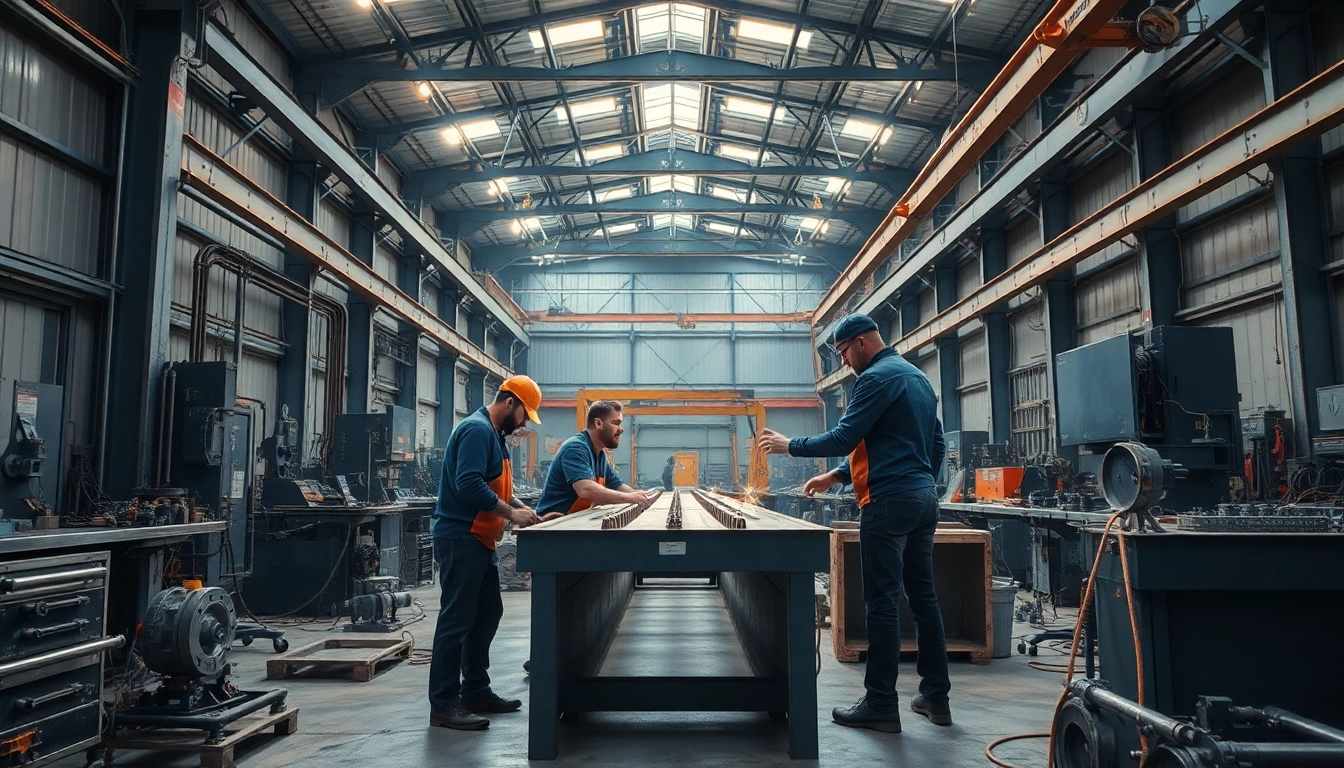
Fabrication typically involves several stages, which may include processes such as welding, machining, and assembly. These actions are carried out in a designated facility known as a steel fabrication shop, where skilled technicians utilize advanced tools and technologies to deliver precise results. Understanding the nuances of steel fabrication is critical for those looking to work with metal structures effectively.
Key Processes Involved in Steel Fabrication
In any steel fabrication shop, several key processes work together to achieve the final product. Among the most significant processes are:
- Cutting: The first step often involves cutting steel sheets, beams, or rods to the required dimensions using saws or laser technology.
- Bending: Steel sections may be bent to achieve specific shapes or angles, utilizing hydraulic press brakes.
- Welding: This vital process joins two or more pieces of steel together, ensuring structural integrity.
- Machining: For components that require fine tolerances and intricate details, machining processes such as milling or turning are employed.
- Finishing: Depending on the application, steel products might undergo finishing processes like grinding, painting, or galvanizing to enhance durability and aesthetics.
Common Applications of Steel Fabrication Shops
Steel fabrication shops serve a wide range of industries with diverse applications, allowing businesses to leverage custom-made solutions for their specific needs. Here are some common areas where steel fabrication is pivotal:
- Construction: Providing structural components like beams, columns, and braces for buildings and bridges.
- Manufacturing: Creating machinery and equipment frames or parts, ensuring operational efficiency.
- Automotive: Producing components including chassis, body frames, and support structures.
- Energy: Fabricating parts for renewable energy facilities, such as wind turbine towers and solar panel mounts.
- Shipbuilding: Constructing ship hulls and components using robust steel structures to meet maritime standards.
The Importance of Choosing the Right Steel Fabrication Shop
Factors to Consider When Selecting a Steel Fabrication Partner
Choosing the right steel fabrication shop is crucial to ensuring the success of your project. Various factors should be taken into account:
- Experience: Look for a shop with a proven track record in your industry, as experience can greatly influence the quality of work.
- Capabilities: Assess the range of services offered, from basic cutting and welding to advanced machining and finishing.
- Quality Assurance: Consider whether the shop adheres to industry standards and certifications, which can validate their commitment to quality.
- Delivery Times: Timely completion of projects is critical, so ensure that the shop can meet your deadlines without compromising quality.
- Customer Reviews: Research client testimonials and past projects to understand the shop's reputation in the market.
Tips for Assessing Quality and Capability in Shops
To effectively assess the quality and capability of a steel fabrication shop, consider the following tips:
- Request Samples: Ask for samples of past work to evaluate craftsmanship and adherence to specifications.
- Factory Tour: If possible, visit the workshop to inspect equipment, processes, and overall organization.
- Certifications: Inquire about certifications like ISO or AWS that signify quality and reliability in fabrication processes.
- Technical Expertise: Verify the skills and qualifications of the workforce to ensure they meet your technical requirements.
Case Studies of Successful Collaborations
Examining case studies of successful partnerships between clients and steel fabrication shops can provide valuable insights. For example, a commercial builder partnered with a fabrication shop specializing in structural steel to construct a high-rise building. The shop's expertise in delivering precision-engineered steel beams and columns resulted in both time and cost savings while ensuring compliance with stringent safety regulations.
In another instance, an oil and gas company required custom piping solutions that could withstand harsh environmental conditions. The chosen fabrication shop utilized advanced welding techniques and material optimization strategies to deliver a solution that exceeded industry performance standards. These cases illustrate the strategic importance of selecting a capable fabrication partner that aligns with project requirements.
Innovative Techniques and Technology in Steel Fabrication
Latest Advancements in Fabrication Technology
As industries evolve, so does the technology utilized in steel fabrication. Cutting-edge advancements significantly enhance production efficiency, accuracy, and safety. Key innovations include:
- 3D Printing of Metal Parts: Though still in its infancy for larger structures, 3D printing technology allows precise manufacturing of complex steel components, reducing waste and enabling rapid prototyping.
- Laser Cutting: This technology provides highly accurate cuts, minimizing material waste and decreasing turnaround times.
- Computer Numerical Control (CNC): CNC machines automate production tasks, enabling consistent quality, precision cutting, and reduced manual labor costs.
- Robotics: Robotic welding systems are increasingly being adopted for their speed and accuracy, improving production efficiency while maintaining weld quality.
Automation and Its Role in Modern Steel Shops
Automation plays a pivotal role in modern steel fabrication. By integrating automated systems, shops can streamline operations, reduce labor costs, and enhance production capabilities. Benefits of automation include:
- Increased Efficiency: Automation allows continuous production, reducing downtime and increasing output without sacrificing quality.
- Improved Precision: Automated machines achieve higher precision levels, reducing the likelihood of human error in manufacturing processes.
- Enhanced Safety: Automating high-risk processes minimizes the exposure of workers to dangerous tasks, thereby increasing workplace safety.
Examples of Innovative Projects from Leading Fabrication Shops
Leading steel fabrication shops often undertake innovative projects that showcase their capabilities. For instance, a shop collaborated with an architectural firm to create a stunning steel structure for a cultural center, incorporating complex curvatures and unique design elements. The project required meticulous planning and advanced fabrication techniques, resulting in a landmark building that received numerous accolades.
Another example involved the fabrication of modular steel units for a sustainable housing project. By leveraging pre-fabricated steel components, the shop was able to reduce construction time on-site while ensuring that the structures met sustainability standards effectively.
Cost Factors in Steel Fabrication Services
Understanding Pricing Structures in Steel Fabrication
Understanding the pricing structures of steel fabrication services is essential for budgeting successfully. Several factors influence costs, including:
- Material Costs: The price of raw steel fluctuates based on market demand and availability, significantly impacting the overall cost.
- Labor Costs: Skilled labor is necessary in fabrication, and hourly rates or project quotes can vary based on complexity and required skill level.
- Overhead Costs: Operational expenses, including utilities, rent for the shop, and equipment maintenance, contribute to final pricing.
- Project Specifications: Custom designs or specialized requirements can lead to increased costs due to the need for additional materials or unique working methods.
How to Get Accurate Quotes from Fabrication Shops
To get accurate quotes from steel fabrication shops, it is advisable to take several steps:
- Provide Detailed Specifications: Clearly communicate dimensions, materials, and any specific design elements needed for the project.
- Discuss Volume and Timeline: Specify the quantity of materials or components required and the urgency of the project to ensure comprehensive quotes.
- Request Multiple Quotes: Securing quotes from several shops can provide a comparative overview and help identify fair pricing.
- Clarify Inclusions: Ensure that quotes specify what is included, such as delivery fees, finishing processes, and any additional costs.
Budgeting for Your Steel Fabrication Needs
Effective budgeting for steel fabrication requires careful consideration of all associated costs. To establish a solid budget:
- Research Material Costs: Stay informed on current market prices for materials to accurately predict expenses.
- Allocate for Contingencies: Set aside a portion of the budget for unexpected expenses that might arise during the fabrication process.
- Engage in Regular Communication: Maintain an open dialogue with your chosen fabrication shop to stay updated on progress and any potential changes in costs.
Future Trends in the Steel Fabrication Industry
The Impact of Sustainability on Steel Fabrication
Sustainability is becoming a crucial aspect of steel fabrication as industries and consumers alike emphasize environmentally friendly practices. Fabrication shops are increasingly seeking ways to reduce waste, recycle materials, and utilize sustainable energy in their operations. Innovations such as using eco-friendly coatings and opting for recyclable materials contribute to lower environmental footprints. Additionally, an emphasis on green building practices has driven demand for sustainable solutions in the steel fabrication sector.
Predictions for the Next Decade in Steel Fabrication
The next decade is likely to witness significant shifts in the steel fabrication industry due to technological advancements and changing market demands. Key predictions include:
- Greater Integration of AI: The rise of artificial intelligence will enhance efficiencies in production planning, quality control, and predictive maintenance.
- Increased Focus on Customization: As clients seek unique solutions that fit specific project requirements, fabrication shops will need to adopt more flexible manufacturing approaches.
- Emphasis on Workforce Training: As automation and new technologies shape the industry, investment in workforce training will be essential for maintaining skilled labor.
How Emerging Markets are Influencing Fabrication Services
Emerging markets worldwide are reshaping the demand dynamics for steel fabrication services. As economies grow, infrastructure development is becoming a priority, leading to increased requests for fabricated steel components. Additionally, these markets are experiencing a shift towards adopting advanced technologies, improving quality standards. Fabrication shops serving these emerging regions may increasingly expand their service offerings to meet diverse needs, translating into enhanced opportunities for partnerships and collaboration.