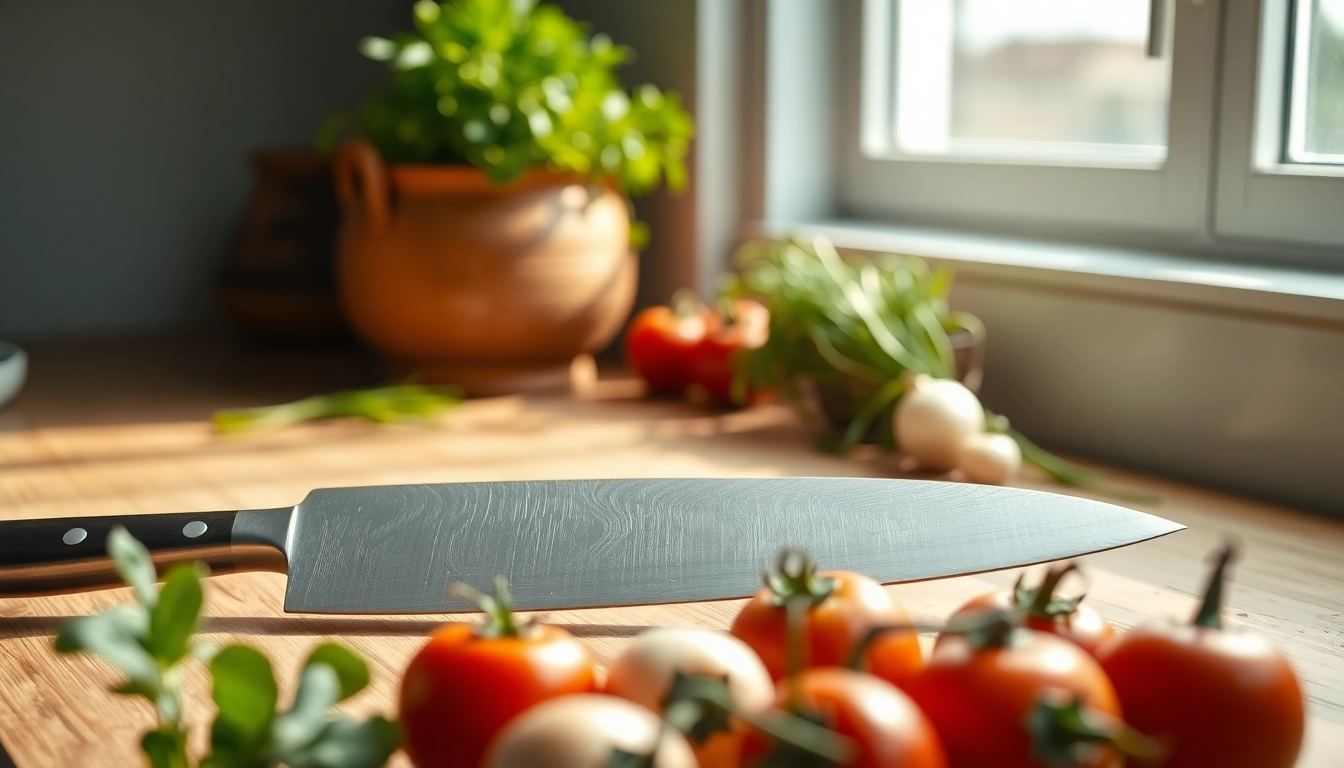
Understanding Chef Knives
A chef's knife is one of the most versatile and essential tools in any kitchen. Whether you're a novice cook or an experienced chef, knowing how to choose a chef’s knife can drastically improve your cooking experience. This comprehensive guide will delve into the specifics of chef knives, from their unique features to the materials used in their construction. More than just a sharp utensil, a quality chef's knife can make food preparation faster, safer, and far more enjoyable.
What Makes a Chef Knife Unique
The chef's knife is generally characterized by its broad, tapered blade, which allows for versatile cutting, slicing, chopping, and dicing. Typically, chef knives range from 8 to 10 inches long, providing enough length and weight to handle large cuts of meat and big stacks of vegetables.
Unlike specialty knives, such as paring or serrated knives, chef knives excel in their multi-functional capacity. The curved blade enables a rocking motion during cutting, enhancing efficiency and precision. This unique profile and functionality set chef knives apart from other kitchen tools.
The Anatomy of a Chef Knife
To understand how to choose a chef’s knife effectively, it's crucial to familiarize yourself with the anatomy of the knife:
- Blade: The main cutting surface, which can vary in length, width, and material.
- Tip: The pointed end, ideal for piercing tasks.
- Spine: The top of the blade, which should feel sturdy and comfortable during use.
- Bolster: The thick junction between the blade and handle, providing a smooth transition and balance.
- Handle: The grip area, which should be comfortable and ergonomic for prolonged use.
- Tang: The portion of the blade that extends into the handle, contributing to the knife’s balance and strength.
Understanding these components will help you identify the qualities that matter most when making your selection.
The Role of Material in Knife Quality
The material used in both the blade and handle of a chef knife significantly affects its performance and durability. Common blade materials include:
- High Carbon Stainless Steel: Combines the benefits of carbon and stainless steel, offering excellent resistance to rust and exceptional sharpness.
- Stainless Steel: Generally more resistant to rust and staining but may require more frequent sharpening.
- Damascus Steel: Known for its beautiful patterns and excellent sharpness retention, this material is often sought after for its craftsmanship.
The handle material can range from traditional wood to modern synthetic options. Wood brings aesthetic appeal, while plastic and composite handles are often lighter and require less maintenance. Higher-quality materials will not only affect the knife's performance but also its longevity.
Factors to Consider
Knife Weight and Balance
When evaluating how to choose a chef’s knife, weight and balance are critical factors to weigh. A heavier knife can offer more force while chopping, while a lighter knife provides easier maneuverability. Ideally, the knife should feel like an extension of your hand, providing comfort and control.
To find the right balance, hold the knife at the bolster. The knife should sit evenly in your hand without tipping forward or backward. A well-balanced knife enhances precision and reduces fatigue during long cooking sessions.
Blade Sharpness and Edge Retention
Blade sharpness is paramount for effective cutting. The sharpness of the knife impacts not only performance but also safety; dull knives are more prone to slipping and causing accidents. Look for knives with a fine edge that can retain its sharpness over time. Some knives feature a "hollow grind" which enables a sharper edge by creating a thinner blade at the cutting surface.
For instance, a knife with better edge retention will require less frequent sharpening, making it a more cost-effective option over time. Regular maintenance and proper sharpening techniques will help prolong the sharpness and lifespan of your knife.
Handle Comfort and Grip
The handle of a chef's knife is crucial because it influences your cooking experience. A comfortable grip is vital for safety and efficiency during food preparation. When selecting a knife, consider the following aspects of the handle:
- Ergonomics: Handles should fit comfortably in your palm and allow for a natural grip.
- Material: Some materials can become slippery when wet, while others offer better traction. Select a handle that feels secure in your grip.
- Size: Handles should not be too thick or too thin; they should complement the size of your hands.
Taking the time to test different handles will help you find one that becomes comfortable to use over time.
Choosing the Right Size
Standard Sizes of Chef Knives
Chef knives are available in various sizes, but the most common are 8-inch and 10-inch models. The 8-inch knife is widely considered the optimal size for most cooks, offering a balance of control and versatility in different tasks. The 10-inch knife, on the other hand, is better suited for those who frequently handle larger ingredients or who want a little more heft for cutting tasks.
However, personal comfort and feel are paramount; many cooks may prefer one size over another based on their own cooking style and hand size.
How Size Affects Usage
Knife size can greatly affect how you approach your cooking tasks. A longer blade allows for more slicing and dicing without needing to reposition the knife. Meanwhile, a shorter blade may offer increased control for intricate tasks. Pay attention to the types of food you prepare most often and select a knife that complements those needs.
If you work with many vegetables, for instance, a slightly wider blade can help create smooth, even cuts, while a smaller knife might be better for delicate herbs.
Trial and Testing Techniques
Before making a final decision, it’s ideal to test the knife firsthand. Many kitchenware stores allow customers to hold and even try out knives, providing an invaluable opportunity to gauge their weight, balance, and overall comfort. Try performing simple cutting tasks like chopping an onion or slicing a tomato to evaluate the knife's performance.
When possible, seek advice from staff with experience in kitchen tools, as they often have valuable insights that can lead you to the perfect chef knife for your cooking style.
Maintenance and Care
Sharpening Techniques
Regular sharpening is essential to maintaining the performance of your chef knife. Different sharpening methods include using honing rods, whetstones, or electric sharpeners. Each method has its pros and cons. Honing rods are great for routine maintenance, keeping the edge aligned, while whetstones can create a sharper edge when more substantial wear occurs.
For optimal results, maintain a consistent angle while sharpening—typically around 20 degrees for a chef knife. It is advisable to periodically professional sharpening to retain the blade's performance and prolong its lifespan.
Cleaning and Storage Tips
Proper cleaning and storage can significantly enhance your knife's longevity. Avoid putting your chef knife in the dishwasher, as the heat and moisture can damage the handle and blade. Instead, hand wash with warm, soapy water and dry immediately with a soft cloth.
For storage, consider a magnetic strip, knife block, or protective sheaths to prevent blade damage and dulling when not in use. Keeping your knives sharp and safely stored is essential for both performance and safety.
Extending Knife Lifespan
Regular cleaning and sharpening, along with appropriate storage, will help extend your knife's lifespan significantly. Additionally, refrain from using your chef knife for tasks outside its design—such as prying open jars or cutting through frozen food. Using the knife as intended ensures it maintains its integrity over time, providing you with consistent performance.
Making the Purchase
Where to Buy Quality Chef Knives
Finding the right place to buy your chef knife is essential. Specialty kitchenware stores often have knowledgeable staff who can help you choose the perfect knife. However, high-quality knives can also be found at reputable online retailers that specialize in kitchen tools.
When shopping online, ensure that you read customer reviews and understand the return policy. This becomes crucial, especially if the knife does not meet your expectations after trying it out at home.
Budgeting for a Chef Knife
Chef knives come at various price points, from affordable to premium. A higher price does not always guarantee better quality, but investing in a knife from a reputable manufacturer can provide superior performance and durability. Setting a budget that reflects your cooking frequency and needs can guide your selection process.
Remember that buying a quality knife is an investment that, if maintained well, should serve you for years to come.
Identifying Trusted Brands and Models
While it's beneficial not to anchor your choice on popularity alone, identifying trusted brands can streamline your decision-making process. Look for knives that have favorable reviews from both professional chefs and home cooks. Seek models that come with a warranty or satisfaction guarantee, providing an extra layer of confidence in your purchase.
Remember that what's best for one person may not be for another. Therefore, gather information on various brands but also prioritize personal comfort and need above all else.
Conclusion
Choosing the right chef's knife is essential for improving your culinary skills. From understanding the structure of a knife to evaluating its weight, size, and balance, each factor contributes to your overall cooking efficiency and enjoyment. By following the guidelines provided here, you are well on your way to selecting the perfect chef knife tailored just for you. For more tips and to shop for quality kitchen tools, explore how to choose a chef’s knife, ensuring your cooking experience becomes both enjoyable and efficient.