Introduction to Structural Steel Construction
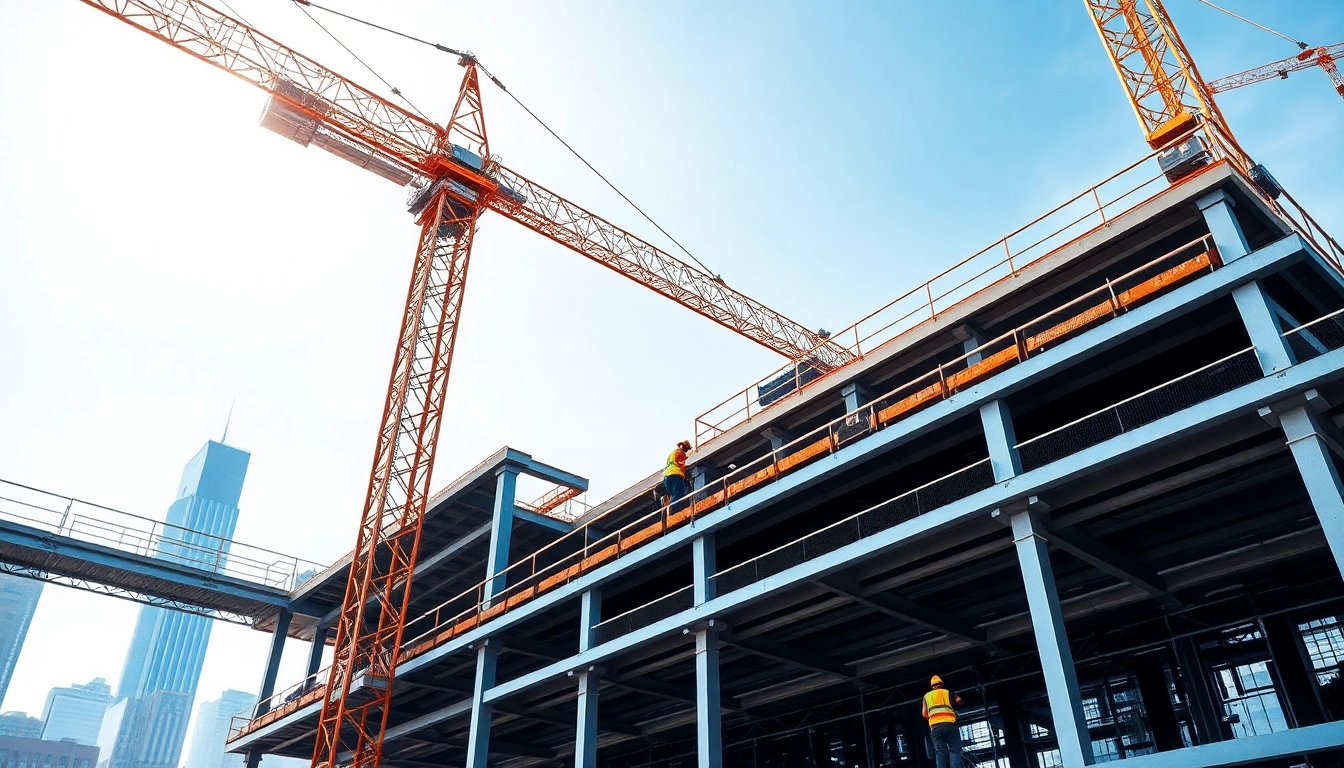
Structural steel construction is a critical foundation of modern architecture. This versatile building material is revered for its strength, durability, and adaptability, making it a preferred choice for various construction projects, from skyscrapers to bridges. With advancements in engineering and design, structural steel construction continues to evolve, pushing the boundaries of what is possible in building design.
Understanding Structural Steel
Structural steel is a category of steel used in the construction of buildings and other infrastructure. It comes in various shapes and grades, each tailored for specific applications. The production of structural steel involves a carefully controlled process of melting, forming, and finishing, which enhances its properties, including tensile strength and ductility. The most common forms include beams, columns, and plates, all of which play critical roles in maintaining structural integrity.
Importance in Modern Architecture
In contemporary architecture, the aesthetic and functional benefits of structural steel are undeniable. It allows architects to design larger spans without the constraints imposed by traditional materials such as concrete or wood. This ability to create open spaces has led to the rise of iconic structures worldwide. Additionally, the recyclability of steel contributes to sustainable building practices, as it can be repurposed without degrading its quality.
Industry Trends and Innovations
The structural steel industry is rife with innovations aimed at enhancing sustainability, efficiency, and safety. Trends like the use of 3D modeling techniques and Building Information Modeling (BIM) allow for better project visualization and management. Moreover, the development of high-strength steels has enabled the construction of taller and more resilient structures, paving the way for modern skyscrapers and complex architectural designs.
Essential Components of Structural Steel Construction
Types of Structural Steel Materials
Structural steel grades are classified based on their chemical composition and strength. Common types include:
- Carbon Steel: The most widely used, offering a good balance of strength and ductility.
- Alloy Steel: Contains additional elements such as nickel and chromium, enhancing toughness and hardenability.
- Stainless Steel: Offers corrosion resistance, ideal for structures exposed to harsh environments.
- High-Strength Low-Alloy (HSLA) Steel: Provides higher strength with lower weight, suitable for weight-sensitive applications.
Common Structural Elements: Beams and Columns
In structural steel construction, beams and columns serve as primary load-bearing elements:
- Beams: Horizontal members that support vertical loads, often used to create ceiling and floor structures.
- Columns: Vertical structures that transfer loads from beams to foundations, ensuring stability and strength.
Both elements come in various profiles and sizes, which are selected based on the load requirements and design specifications of the project.
Connections and Fastenings Explained
Connections in structural steel construction are critical to the overall integrity of a building. Various types of connections include:
- Welded Connections: Provide a continuous connection, enhancing stability and strength.
- Bolted Connections: Offer flexibility and ease of assembly, allowing for adjustments during construction.
- Riveted Connections: Historically significant, still used in some applications for their aesthetic appeal.
The choice of connection type impacts the structural performance and construction efficiency, necessitating careful consideration during the design phase.
Planning and Designing Structural Steel Projects
Site Assessment and Preparation
A thorough site assessment is the first step in any structural steel construction project. Factors to consider include soil conditions, local regulations, and the surrounding environment. A detailed site analysis informs decisions related to foundation type, load distribution, and structural layout, ultimately minimizing risks and enhancing project efficiency.
Creating Effective Structural Designs
When designing with structural steel, engineers must prioritize functionality and safety. Effective designs involve collaboration between architects and engineers to ensure that aesthetic aspirations are matched by structural integrity. Key design strategies include:
- Using software tools for accurate simulations and design validation.
- Adhering to building codes and standards for safety and performance.
- Incorporating modular design principles for easier assembly and reduced construction times.
By addressing these factors during the design phase, projects can achieve both beauty and reliability.
Prioritizing Safety and Compliance
Safety regulations govern every aspect of structural steel construction, from the materials used to the methods of installation. Compliance with local and international building codes is essential to protect future occupants and ensure project success. Implementation of safety training programs, adherence to quality control measures, and regular inspections during the construction process help mitigate risks associated with structural failures.
Implementation Strategies for Structural Steel Construction
Construction Techniques and Methods
The construction of steel structures involves a variety of techniques tailored to project specifications and site conditions. Common methods include:
- Pre-fabrication: Components are manufactured off-site, reducing construction time and improving accuracy.
- On-site Assembly: Steel elements are assembled on-site, allowing immediate adjustments and integration with other systems.
- Modular Construction: Entire modules are pre-constructed and transported to the site for quick assembly, minimizing labor costs.
Each method comes with its own advantages and challenges, necessitating a detailed analysis of project needs and goals.
Utilizing Technology for Efficiency
Technology plays a pivotal role in enhancing the efficiency of structural steel construction. Innovations such as:
- Building Information Modeling (BIM) for improved planning and coordination.
- 3D laser scanning for precise measurements and adjustments.
- Automation in manufacturing to increase production efficiency and safety.
By harnessing these technologies, construction teams can streamline processes, minimize errors, and enhance overall productivity.
Managing Workforce and Collaboration
Effective management of a skilled workforce is essential for the success of any structural steel project. To facilitate collaboration:
- Foster open communication channels among team members.
- Utilize project management software for real-time updates and task tracking.
- Invest in continuous training and development to enhance skills and safety awareness.
By prioritizing teamwork and clear communication, projects can achieve efficient execution and remarkable outcomes.
Performance Measurement and Case Studies
Evaluating Project Success Metrics
Measuring the success of structural steel projects involves tracking various performance metrics, including:
- On-time project completion rates
- Budget adherence and cost overruns
- Quality of construction and material integrity
- Safety incident rates during construction
By analyzing these metrics, project managers can identify areas of improvement and make data-driven decisions for future endeavors.
Case Studies of Notable Steel Structures
Examining successful structural steel projects offers invaluable lessons for engineers and architects. Some case studies include:
- Burj Khalifa: A testament to the towering capabilities of structural steel, utilizing advanced engineering methods.
- Golden Gate Bridge: A historic example showcasing the aesthetic and functional benefits of steel in bridge design.
- One World Trade Center: Incorporating state-of-the-art technologies for enhanced safety and resilience.
These structures not only demonstrate the versatility of structural steel but also provide insights into project management and innovative design practices.
Future Directions for the Industry
The future of structural steel construction looks promising, as continuous research and development lead to innovative materials and techniques. Key trends to watch include:
- Sustainable practices, such as using recycled materials and energy-efficient manufacturing processes.
- Integration of smart technologies for enhanced building performance and monitoring.
- Increased collaboration across disciplines to foster innovation and creativity.
As the industry adapts to changing demands and environmental challenges, structural steel construction will continue to evolve, showcasing the material's myriad possibilities.
FAQs About Structural Steel Construction
1. What is structural steel?
Structural steel is a category of steel used in construction for buildings and structures, renowned for its strength, durability, and versatility.
2. Why is structural steel important?
It's essential for modern architecture due to its ability to provide large spans and open spaces while being sustainable and recyclable.
3. What are common types of structural steel?
Common types include carbon steel, alloy steel, stainless steel, and high-strength low-alloy steel, each with unique properties.
4. How are structural steel connections made?
Connections are made using welding, bolting, or riveting, which are chosen based on the project's structural requirements.
5. What are the benefits of using technology in steel construction?
Technology enhances planning, accuracy, and efficiency, helping teams streamline processes and minimize errors in construction.