Introduction to Structural Steel Construction
Structural steel construction has transformed the way we build, providing a robust framework for various kinds of structures ranging from skyscrapers to bridges. This material, known for its superior strength and flexibility, has become a cornerstone in modern architecture and engineering. With the rapid advancements in technology and a growing focus on sustainable practices, the field of structural steel construction is evolving. In this comprehensive guide, we will delve into various aspects of structural steel construction, including its definition, the evolution of the material, types of steel used, benefits it brings, common construction methods, challenges faced, and future trends impacting the industry.
What is Structural Steel?
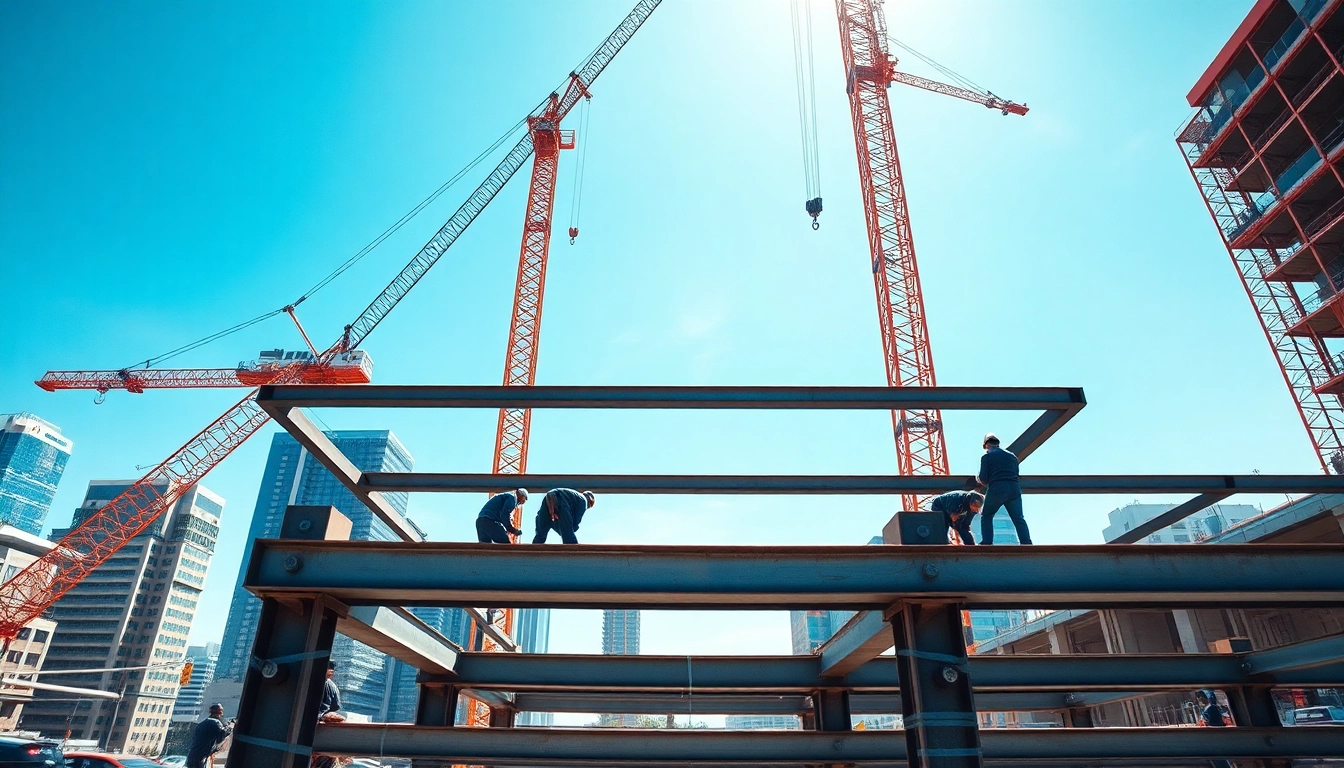
Structural steel is a category of steel used for making construction materials in a variety of shapes, primarily intended for structural frameworks. Its ability to bear load, resist forces, and withstand various environmental conditions makes it the material of choice in building foundations, frames, and supports. The most common types of structural steel include I-beams, H-beams, and channels, each designed for specific applications and weight-bearing capacities. These shapes are standardized according to industry specifications, ensuring uniformity and reliability in construction.
History and Evolution of Steel Construction
The use of steel in construction dates back to the late 19th century, when the industrial revolution spurred advancements in material science and engineering. The first skyscrapers made from structural steel emerged around this time, allowing architects to rethink the traditional constraints of building design. The introduction of Bessemer steel, which was stronger and more versatile than previously used iron, marked a significant turning point.
Over the decades, developments in welding techniques and fabrication technology further enhanced the possibilities of structural steel. By the mid-20th century, technologies such as automated steel processing and load-bearing concepts led to the prevalence of steel in virtually all building types, including residential, commercial, and infrastructure projects.
Types of Structural Steel Used in Construction
Various types of structural steel exist, each with unique properties suited for different construction needs. Key types include:
- Carbon Steel: This is the most common type of steel used in construction, known for its strength and versatility. It typically comes in grades such as A36, A992, and A572.
- Stainless Steel: Offering exceptional corrosion resistance, stainless steel is used in environments prone to rust and decay. Its use is often seen in architectural applications.
- Alloy Steel: This type incorporates various elements to improve specific properties such as strength or ductility. It can be tailored for unique construction demands.
- High-Strength Low-Alloy (HSLA) Steel: Known for its enhanced strength and resistance to atmospheric corrosion, HSLA steel is frequently used in large structures and bridges.
Benefits of Structural Steel Construction
Cost-Effectiveness and Efficiency
One of the most compelling advantages of structural steel construction is its cost-effectiveness. Compared to traditional materials like concrete or wood, steel offers a higher strength-to-weight ratio, significantly reducing the amount of material required for a structure. This leads to lower material costs and less waste.
Additionally, the prefabrication of steel components streamlines the construction process. Structures can often be assembled quickly on-site, minimizing labor costs and project timelines. Consequently, developers and contractors can realize substantial savings while delivering projects on time.
Durability and Longevity of Steel Structures
Steel structures are built to last. They have a high resistance to fire, pests, and harsh weather conditions, making them an ideal choice for a wide range of climates. Unlike wood, structural steel does not rot, warp, or degrade over time, ensuring that the integrity of the building remains intact for decades.
With proper maintenance, steel buildings can safely endure for over 50 to 100 years, with many structures needing only routine inspections and minor upkeep to remain functional.
Flexibility in Design and Application
The architectural possibilities with structural steel are nearly limitless. It allows for expansive open spaces and unique designs, free from the constraints imposed by traditional load-bearing materials. Architects and designers can innovate and create structures that were once deemed impossible.
Structural steel also adapts well to various architectural styles, ranging from classic designs to modern minimalism, making it an attractive option for both new builds and renovations.
Common Methods in Structural Steel Construction
Welding Techniques for Steel Frameworks
Welding is a fundamental method in assembling structural steel. It involves joining metals using heat, pressure, or both, creating a strong bond that can withstand substantial stresses. Various welding methods, including MIG (Metal Inert Gas), TIG (Tungsten Inert Gas), and Stick welding, are employed in the construction of steel structures.
Each technique has its nuances, with specific applications depending on the project’s requirements. For example, MIG welding is often favored for its speed in large-scale construction projects, while TIG welding is valued for its precision in intricate applications.
Using Bolted Connections in Steel Structures
Bolted connections are another predominant method of joining structural steel components. Utilizing bolts allows for quicker assembly times and facilitates modifications if needed, making it a versatile choice in construction.
Proper bolting techniques are critical to ensure structural integrity. Factors such as bolt grade, type of joint, and load conditions must be considered during design and implementation to prevent failures in the structure.
Innovative Construction Methods and Technologies
Recent innovations in construction technologies have led to significant improvements in how structural steel is utilized. Building Information Modeling (BIM) integrates digital technology for improved design and construction processes, allowing for greater accuracy and efficiency.
Moreover, advancements such as 3D printing of steel components and robotic welding are becoming more commonplace, further enhancing the precision and capabilities of steel construction.
Challenges in Structural Steel Construction
Addressing Environmental Considerations
While structural steel is a durable and long-lasting material, its production has noteworthy environmental impacts. The carbon footprint associated with steel manufacturing is significant, requiring the industry to adopt more sustainable practices.
Many companies are now exploring recycled steel sources and developing greener production methods that minimize harm to the environment. Sustainable certifications and standards, such as LEED (Leadership in Energy and Environmental Design), are becoming increasingly important in guiding construction projects.
Safety Standards and Regulations
Safety in construction is paramount, and structural steel construction is bound by stringent regulations to ensure worker safety and structural integrity. Organizations such as the Occupational Safety and Health Administration (OSHA) provide guidelines that govern steel fabrication and erection processes.
Compliance with these regulations is mandatory, and failure to adhere can lead to significant project delays and increased costs, highlighting the importance of thorough training and knowledge of safety standards among workers.
Managing Transportation and Storage of Steel Elements
Transportation and storage of steel elements can present unique challenges. Steel is heavy and requires careful handling to prevent damage during transit. Additionally, exposure to environmental elements can lead to corrosion or degradation of quality if not stored properly.
Strategic planning for logistics, utilizing quality packing materials, and ensuring stored steel is kept in controlled conditions can mitigate these risks, assuring the integrity of the materials before they are used in construction.
Future Trends in Structural Steel Construction
Sustainable Practices in Steel Manufacturing
The future of structural steel construction is undoubtedly leaning towards sustainability. As awareness of environmental issues increases, the demand for eco-friendly materials is escalating. Steel manufacturers are investing in technologies that enhance recycling processes and reduce emissions.
Innovations in green steel, engineered to minimize environmental impact, are emerging. Such trends not only contribute to the sustainability of the construction industry but also meet growing consumer expectations for responsible practices.
Technological Advances Impacting Steel Construction
Technology is radically transforming the field of structural steel construction. From artificial intelligence-driven design algorithms to advanced robotics in manufacturing, these innovations are improving efficiency, accuracy, and safety.
Technologies such as augmented reality (AR) for structural visualization and the use of drones for site inspections are becoming more prevalent. These tools enhance project oversight and showcase the potential for an optimized construction workflow.
Design Innovations in Structural Steel Buildings
The architectural landscape is continuously evolving, and structural steel plays a crucial role in this evolution. New design innovations focus on maximizing the use of steel's properties to create iconic and functional buildings.
Composite steel structures, wherein steel is used in conjunction with other materials such as concrete, are gaining traction due to their advantages in load-bearing capacity and cost savings. Furthermore, the trend toward sustainable design is prompting the exploration of hybrid structures that utilize reclaimed materials, combining form and function in revolutionary ways.