Understanding Vinyl Records: A Historical Perspective
The Evolution of Vinyl Records
Vinyl records, as we know them today, have a rich and fascinating history that dates back over a century. The journey began in the late 1800s with the invention of the phonograph by Thomas Edison, which initially used wax cylinders to record and playback sound. This technology evolved throughout the early 20th century, transitioning to shells of records made from shellac, a natural resin, which were more durable but limited in sound quality and playback capabilities.
The true revolution in recorded sound came in the late 1940s with the introduction of vinyl as a material for records. Vinyl offered numerous advantages over shellac: it was more flexible, could be produced in larger diameters, and offered superior audio quality. The first 33 1/3 RPM long-playing (LP) records emerged, paving the way for albums that could encapsulate entire performances rather than standalone songs. This innovation not only changed how music was distributed but also how it was consumed, marking the beginning of the Golden Age of vinyl records.
The Cultural Significance of Vinyl Records
Vinyl records have always held more than just musical importance; they have become cultural artifacts reflecting societal changes. In the 1960s and 1970s, vinyl records became synonymous with the counterculture movements, with iconic albums acting as soundtracks to social revolutions. The large format of LPs allowed for expansive album art, liner notes, and a more immersive experience for the listener.
Throughout the years, vinyl records have maintained a robust following even in the face of burgeoning digital technologies. Their resurgence over the past two decades is not merely a nostalgic revival but a testament to the enduring love people have for tangible media and the unique experience that comes with listening to vinyl records. The act of flipping through a collection, placing the needle on a record, and hearing the initial crackle before the music plays evokes a ritualistic connection to the art form.
Different Types of Vinyl Records Explained
When delving into the world of vinyl records, it's crucial to understand the different types that exist. Some of the main categories include:
- LP (Long Playing) Records: The most common type, typically 12 inches in diameter, and can hold 20 to 30 minutes of music per side. They're often associated with full albums.
- EP (Extended Play) Records: Generally 7 inches in diameter, containing more music than a single but less than a full album, usually around 3 to 5 tracks.
- Singles: Usually 7 inches as well and containing one main song. Often used to promote music before the release of a full album.
- Colored Vinyl: Vinyl records produced in various colors rather than the typical black. These can be collectible and aesthetically pleasing.
- Picture Discs: Vinyl records that feature printed images on the surface. While visually appealing, they may not always offer the best sound quality.
The Audio Experience of Vinyl Records
Why Vinyl Records Sound Unique
The sound quality of vinyl records is often described as warmer and richer compared to digital formats. This difference can largely be attributed to the analog nature of vinyl. Unlike digital music, where sound is sampled at discrete intervals and converted into binary code, vinyl captures continuous sound waves. As the stylus moves through the grooves, it reads the undistorted waveform, creating a natural and three-dimensional listening experience.
Furthermore, the process of mastering music for vinyl requires a different approach than digital formats. Engineers must pay careful attention to frequency ranges and dynamics to ensure that the record plays well on various turntables, which can lead to a more nuanced sound that some audiophiles prefer.
Equipment Essentials for Playing Vinyl Records
To properly enjoy vinyl records, an adequate playback system is essential. Key components include:
- Turntable: The heart of the vinyl system, choosing a good turntable is paramount. Look for models with adjustable anti-skate, speed control, and a quality tonearm.
- Phono Preamp: Most modern turntables require a phono preamp to amplify the signal to line level. Some turntables have built-in preamps, while others require an external unit.
- Speakers: Quality speakers or audio monitors are needed to translate the audio accordingly. Audiophile-grade options enhance listening experiences.
- Headphones: If you prefer a personal listening experience, investing in high-quality headphones is beneficial for enjoying the subtleties of vinyl.
- Cables: Quality cables ensure that there’s minimal loss of audio quality in transmitting sound from your turntable to speakers or headphones.
Setting Up Your Vinyl Records for Optimal Sound Quality
Setting up a vinyl system requires attention to several key factors to optimize sound quality:
- Placement: Ensure your turntable is on a stable, level surface away from vibrations. A dedicated turntable stand is ideal.
- Tracking Force: Adjust the tracking force of the tonearm according to the cartridge specifications for optimal performance without damaging records.
- Alignment: Properly align the cartridge to minimize wear on vinyl and maximize sound quality. Use alignment tools for precise calibrations.
- Regular Maintenance: Keep your stylus clean and periodically check for issues such as tonearm balance and belt condition for consistent performance.
Starting Your Vinyl Records Collection
Tips for Beginners on Collecting Vinyl Records
Starting a vinyl record collection can be both exciting and daunting. Here are some tips to help beginners navigate the process:
- Start with What You Love: Focus on collecting music that resonates with you—your favorite albums, bands, or genres are a great starting point.
- Research: Familiarize yourself with album artwork and track listings. Understanding the history and significance of certain records can enhance your appreciation.
- Set a Budget: Vinyl records can range from affordable to highly collectible. Establish a budget to prevent overspending on impulse buys.
- Visit Local Record Stores: In-person shopping is an engaging way to find hidden gems and unique pressings you might not come across online.
- Connect with Other Collectors: Engaging with the vinyl community can provide valuable insights, recommendations, and opportunities for trading or selling records.
Where to Find Vinyl Records
Finding vinyl records can be an adventure in itself. Various avenues exist for searching through collections:
- Local Record Shops: These are treasure troves for vinyl enthusiasts, often containing a curated selection of both new and second-hand records.
- Flea Markets and Thrift Stores: Often overlooked, these venues frequently offer hidden finds at low prices. Dedicate time to explore and dig through crates.
- Online Marketplaces: Websites dedicated to selling vinyl provide an extensive range of selections. Be cautious and read seller reviews before purchasing.
- Record Fairs: Local events showcase vendors with diverse inventories, enabling collectors to browse and interact directly with sellers.
Understanding Vinyl Records Grading for Smart Purchases
When purchasing vinyl records, understanding grading systems is essential to ensure you are buying quality items. Common grading scales can include:
- Mint (M): Records that are brand new and unplayed.
- Near Mint (NM): Items in near perfect condition but may have minor imperfections.
- Very Good Plus (VG+): Records showing minor signs of wear but still playable with some noise.
- Very Good (VG): More pronounced marks and surface noise; may affect playback.
- Good (G): Watch out; these may have significant scratches and possibly jump during playback.
The higher the rating, the more valuable the record. Thoroughly assess condition before purchasing, and don’t hesitate to ask sellers for specifics.
Care and Maintenance of Vinyl Records
Cleaning Vinyl Records Effectively
Proper care extends the life of vinyl records and enhances sound quality. Here are effective cleaning methods:
- Dry Dusting: Use a carbon fiber brush before and after each play to avoid damaging grooves with accumulated dust.
- Wet Cleaning: Use a mixture of distilled water and isopropyl alcohol with a microfiber cloth or cleaning solution designed for vinyl.
- Record Cleaning Machines: While an investment, these machines can efficiently remove deep-seated dirt and grime.
Storage Solutions for Vinyl Records
Storing vinyl records properly prevents warping and damage. Here are optimal storage solutions:
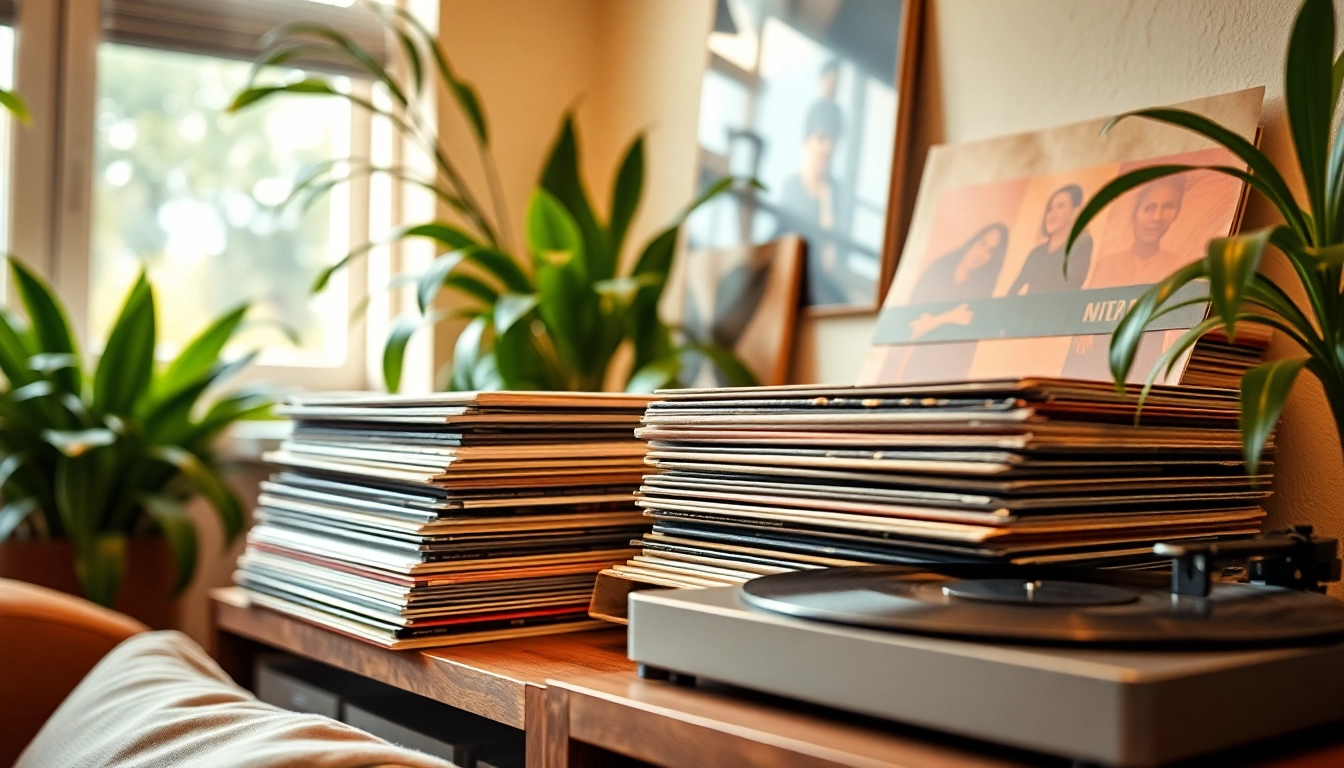
- Vertical Storage: Always store records vertically to avoid warping, using dedicated vinyl storage shelves.
- Temperature Control: Maintain a consistent room temperature and avoid humid areas like basements or attics which can warp records.
- Sleeve Protection: Invest in high-quality inner and outer sleeves to guard against dust and scratches.
Handling Vinyl Records: Best Practices
Careful handling is crucial for maintaining vinyl integrity. Always:
- Grip the Edges: Touch only the edges of the record to avoid dirtying the grooves and affecting playback.
- Avoid Direct Sunlight: Keep records out of sunlight and extreme temperatures to minimize warping or fading.
- Store Upright: As mentioned, upright storage prevents warping and damage from leaning piles.
The Future of Vinyl Records in Digital Age
Vinyl Records vs. Digital Music: A Comparison
As the digital arena expands, many wonder how vinyl records stand against digital audio formats. Vinyl records offer an artistic, tangible experience, while digital formats prioritize convenience and portability. Vinyl enthusiasts often cite the character of analog sound and the physical experience of handling records as key benefits. In contrast, digital streaming provides a plethora of music at your fingertips but lacks the nuances found in vinyl.
Innovative Trends in Vinyl Records
Despite the digital shift in the music industry, innovative trends in vinyl records are emerging. The resurgence has led to an increase in limited edition releases, special pressing techniques, and collaborations with artists to create unique audio experiences. Enhanced packaging options, including gatefold sleeves and colored vinyl, attract new collectors and younger audiences.
Community and Culture around Vinyl Records Today
The community surrounding vinyl records is vibrant and passionate. Engaged collectors frequently interact online and offline through social media platforms, forums, and local meetups, sharing insights, trading records, and discussing music. Various online platforms host vinyl-specific content, including blogs and podcasts, fostering a culture of education and appreciation. Whether through social events or dedicated groups, the culture surrounding vinyl records is not just about music; it’s a vibrant community that celebrates art, history, and connection.