
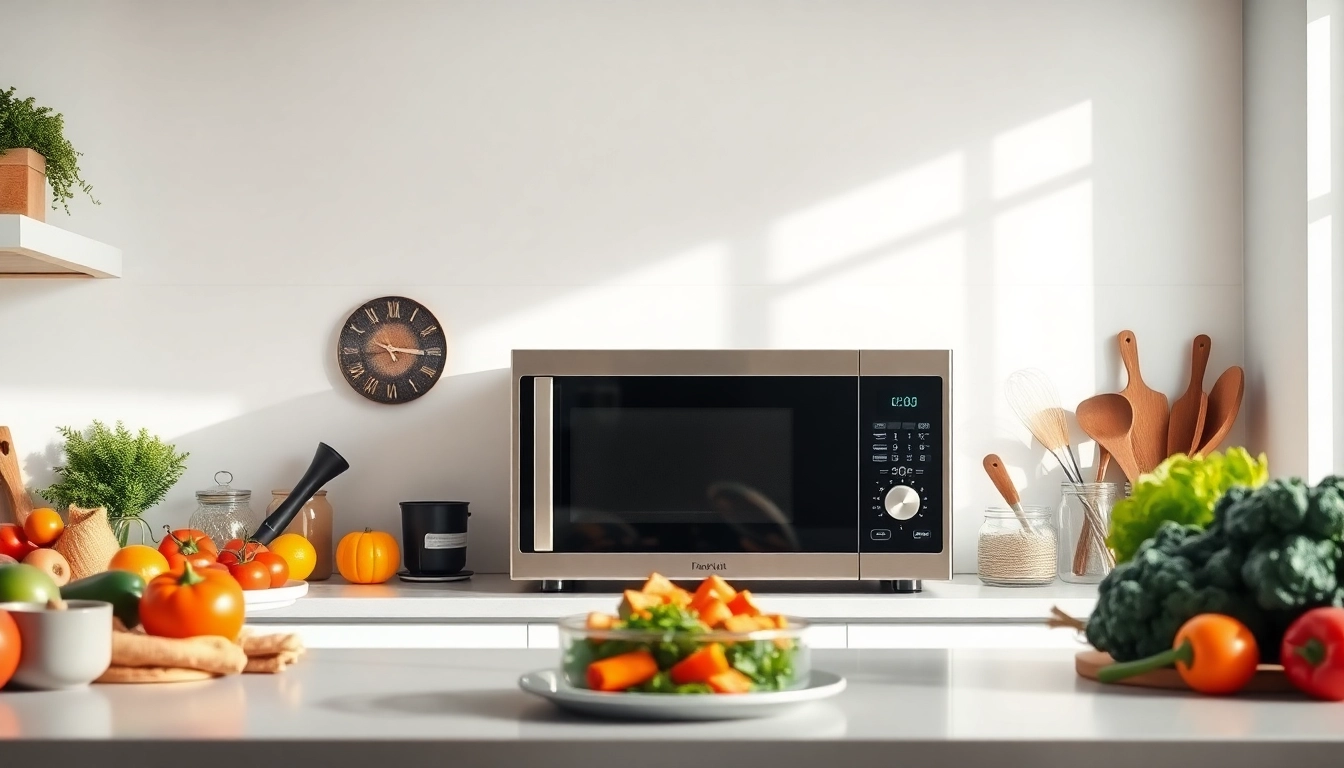
Understanding the Basics of Microwave Oven Technology
Microwave ovens have transformed the way we cook and reheat food, offering unparalleled convenience and speed. Understanding how these versatile kitchen appliances work is crucial for anyone looking to enhance their culinary skills or optimize their kitchen setup. A Microwave Oven uses electromagnetic radiation to heat food, providing quick access to warm meals with minimal effort. In this section, we’ll explore the intricate workings of microwave ovens, the different types available in the market, and their various applications.
How Microwave Ovens Work
At the core of microwave technology is the generation of microwaves by a component known as the magnetron. These microwaves are electromagnetic waves that oscillate at a frequency of approximately 2.45 GHz. When you place food in the microwave oven and turn it on, the magnetron emits these waves into the cooking chamber.
The microwaves target water molecules in the food, causing them to vibrate rapidly. This vibration generates heat, which cooks or reheats the food. The surrounding environment is designed to reflect these microwaves, allowing for efficient cooking and even heat distribution. This rapid heating capability makes microwave ovens ideal for defrosting, reheating leftovers, and cooking a variety of dishes.
Types of Microwave Ovens
Microwave ovens come in several configurations, each designed to cater to different culinary needs:
- Countertop Microwave Ovens: These are the most common type, easy to set up and use in any kitchen without extensive installation. They offer versatility in cooking and reheating.
- Built-in Microwave Ovens: These models are integrated into cabinetry, providing a sleek design. They often come with advanced features and save counter space.
- Over-the-Range Microwave Ovens: Dual-purpose appliances that act as both a microwave and a range hood. Perfect for kitchens with limited counter space.
- Convection Microwave Ovens: These combine microwave cooking with convection technology, allowing for browning and crisping of foods.
- Commercial Microwave Ovens: Designed for heavy-duty use, these are found in restaurants and can handle larger quantities of food.
Common Applications of Microwave Ovens
Microwave ovens are not just limited to reheating food; their applications are diverse and expansive:
- Reheating Leftovers: Easily revitalize previous meals without the need for stovetops or ovens.
- Defrosting: Quickly thaw frozen items without compromising texture or flavor.
- Cooking: Prepare a range of dishes, from simple popcorn to elaborate casseroles, in a fraction of the time compared to conventional cooking methods.
- Beverage Heating: Warm beverages instantly without boiling over.
- Food Preparation: Steam vegetables and create quick recipes like microwave mug cakes.
Key Features to Look for in a Microwave Oven
When choosing a microwave oven, understanding its features is paramount to making an informed decision. Here we outline the vital aspects to consider, ensuring you choose a model that aligns with your lifestyle and cooking habits.
Cooking Power and Efficiency
The cooking power of a microwave oven, measured in watts, determines how efficiently it can heat and cook food. Most household models range from 600 to 1200 watts. A microwave with higher wattage cooks food faster and more evenly. For everyday cooking, a microwave oven with 800 to 1000 watts is generally sufficient. If you regularly cook large portions, consider models with 1100 watts or more for optimal performance.
Size and Capacity Considerations
The size and capacity of a microwave oven are crucial, particularly when accommodating your cooking and kitchen space. Standard countertop models typically range from 0.5 to 2.2 cubic feet. Consider your typical meal portions and kitchen layout to find the right fit. If you plan to cook larger dishes, such as casseroles or whole chickens, a model with a bigger capacity is essential.
Control Options and User Experience
Modern microwave ovens come with various control options, from basic dials to advanced touch controls and digital displays. Intuitive control panels can enhance user experience significantly. Look for features such as pre-programmed settings, sensor cooking, and easy-to-read displays. Additionally, features like a child lock are beneficial for households with young children.
Installation and Safety Tips for Your Microwave Oven
Proper installation and adherence to safety protocols are vital to ensure your microwave oven operates effectively and safely. It’s essential to follow certain guidelines to maximize usability and minimize hazards.
Proper Placement and Installation
Ensure your microwave oven is placed on a sturdy surface to withstand daily use. For countertop models, choose a location away from heat sources, and ensure there’s adequate ventilation space around all sides. For built-in or over-the-range models, adhere to the manufacturer’s installation instructions carefully. Maintain a clearance of at least 30 inches above the cooking surface to facilitate ventilation and avoid overheating.
Safety Guidelines When Using Microwave Ovens
Understanding microwave safety is essential for avoiding accidents:
- Never use metal containers, foil, or objects with metallic accents, as these can spark and cause fires.
- Always cover food to prevent splattering and maintain moisture, but use microwave-safe materials.
- Keep the door and seals clean to ensure proper functioning and prevent leakage of microwaves.
- Stay aware of potential hot spots when removing food; use gloves or potholders to avoid burns.
Maintenance Tips for Longevity
Regular maintenance will ensure your microwave oven remains in optimal working condition:
- Clean the interior and exterior regularly with a mild detergent and soft cloth.
- If you notice any unusual sounds or odors, seek professional service to diagnose issues.
- Periodically check and replace any worn seals or damage to the door to maintain safety features.
- Run a vacuum over the exhaust fan occasionally to clear away dust and debris.
Comparing Popular Microwave Oven Brands
When selecting a microwave oven, it’s important to consider various brands for their reputation, customer feedback, and value. Although we won’t name specific brands, analyzing general trends within the microwave oven market can guide your decision-making process.
Brand Reputation and Customer Reviews
Researching customer reviews and expert opinions can provide insight into brand reliability. Look for brands known for their durability, after-sales service, and customer support. Brands that receive high ratings for safety and user experience often reflect a commitment to quality.
Warranty and Support Options
A solid warranty policy is indicative of a trustworthy product. Brands that offer extended warranties or free service options can reduce the long-term cost of ownership. Consider warranties that cover parts and labor to ensure peace of mind.
Value for Money Analysis
Consider the features offered versus the price point. A higher-priced model may deliver more advanced technology or durability, while more affordable options might lack certain features but still serve basic needs. Conduct a feature-by-feature assessment to find the best overall value.
Frequently Asked Questions About Microwave Ovens
Can I use metal in a Microwave Oven?
No, using metal in a microwave can cause sparks and potentially start a fire. Always opt for microwave-safe glass or ceramic containers.
How do I clean my Microwave Oven?
Mix water with vinegar in a microwave-safe bowl, heat until steamy, then wipe down surfaces with a damp cloth to remove stains and odors.
What is the ideal wattage for a Microwave Oven?
The ideal wattage for most households is between 800 and 1000 watts. Higher wattage leads to faster cooking times.
Are there energy-efficient Microwave Oven options?
Yes, many modern microwave ovens come with energy-saving features like eco modes that reduce power consumption during standby.
What safety features should I look for?
Look for safety features like child locks, automatic shutoff, and door seals that prevent leaks, enhancing overall safety during use.