
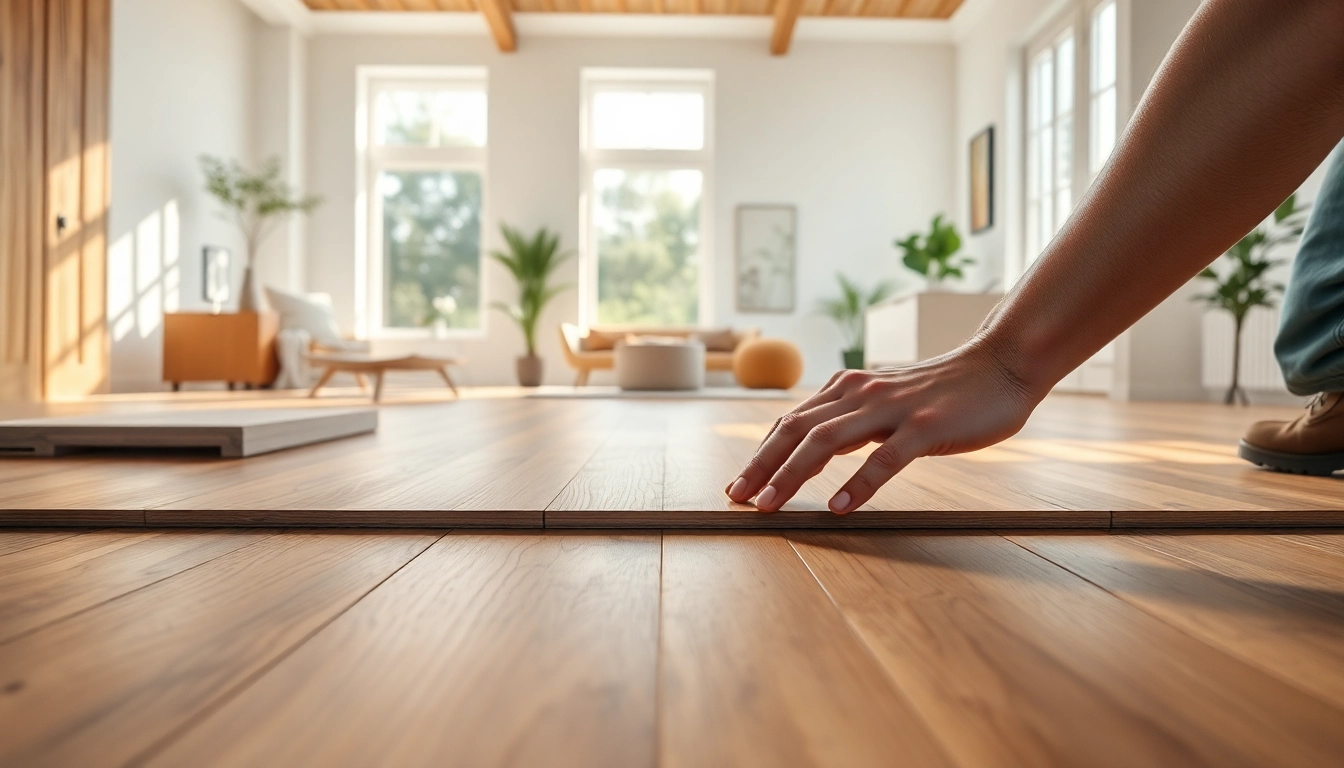
Understanding Laminate Flooring
Laminate flooring has gained immense popularity in recent years, providing both aesthetic appeal and versatility for homeowners. Whether you’re remodeling your space or building from scratch, exploring laminate options can be an excellent choice. In this comprehensive guide, we delve deep into what laminate flooring is, its various benefits, and the misconceptions that often surround it.
What is Laminate?
Laminate flooring is an engineered product typically made of a combination of natural wood fibers, a high-density fiberboard core, and a durable outer layer that provides resistance to scratches, stains, and fading. The surface layer is usually a photographic layer that mimics the appearance of wood, stone, or tile, giving the illusion of natural materials. Laminates come in a variety of styles, colors, and finishes that cater to diverse design aesthetics.
Benefits of Laminate Flooring
Laminate flooring offers numerous advantages for homeowners looking to enhance their living spaces:
- Affordability: Laminate typically costs less than traditional hardwood flooring, making it budget-friendly.
- Durability: The tough exterior layer resists scratches and dents, making it suitable for high-traffic areas.
- Easy Installation: Many laminate types feature a click-lock installation method, allowing for quick setup without professional help.
- Low Maintenance: Cleaning laminate is straightforward; regular sweeping and occasional mopping suffice.
- Variety of Designs: With various designs, colors, and textures, laminate can emulate high-end materials like hardwood and stone.
Common Misconceptions About Laminate
Despite its popularity, laminate flooring is often misunderstood. Here are some common misconceptions:
- Laminate is Low-Quality: While it’s not solid wood, laminate is crafted to be durable and appealing.
- Hard to Repair: Most damage can be addressed with replacement planks or repair kits, making laminate a maintenance-friendly choice.
- One-Style Fits All: With countless styles and patterns, laminate can suit any decor style, from rustic to modern.
- Uncomfortable to Walk On: Quality laminates often provide cushioning and warmth, making them comfortable underfoot.
- Not Eco-Friendly: Many brands now offer sustainably sourced laminate options, appealing to environmentally conscious buyers.
Types of Laminate Flooring
Choosing laminate flooring involves understanding the different types available on the market. Here, we explore the various grades, styles, and eco-friendly options.
Different Grades of Laminate
Laminate flooring is categorized into various grades based on thickness and durability. Common grades include:
- AC1: Suitable for low-traffic areas like bedrooms, AC1 offers minimal wear protection.
- AC2: Designed for moderate traffic, making it appropriate for living rooms and dining areas.
- AC3: Perfect for heavy residential traffic, AC3 is ideal for hallways and kitchens.
- AC4: Recommended for light commercial spaces, AC4 can handle higher foot traffic.
- AC5: Suitable for heavy commercial use, AC5 provides maximum durability and resistance.
Popular Styles and Patterns
Laminate flooring is available in an expansive range of styles, including:
- Wood-Look: Mimicking the appearance of natural hardwood, this style remains amongst the most popular choices.
- Tile-Look: Offering the look of ceramic or stone tiles, laminate provides the aesthetic without the coldness of traditional tile.
- Textured Finishes: Textured surfaces can enhance the realism of wood effects and add depth to the design.
- Pattern Variations: Laminate is available in various patterns, facilitating creative and unique design choices.
Eco-Friendly Laminate Options
As sustainability takes center stage, eco-friendly laminate options have emerged in the market. Look for products made from recyclable materials and those boasting certifications such as:
- FSC Certification: Ensures responsible forest management and sourcing of materials.
- Low VOC Emissions: Look for low volatile organic compounds to improve indoor air quality.
- Recycled Content: Some brands incorporate recycled content into their products, reducing environmental impact.
Installing Laminate Flooring
Installing laminate flooring can be a straightforward process if done correctly. Below is a comprehensive step-by-step guide, including some essential preparation and tools required for installation.
Preparation Steps Before Installation
Proper preparation is vital for a successful laminate flooring installation. Here are the steps to take:
- Acclimation: Allow laminate planks to acclimate to the room temperature and humidity for at least 48 hours.
- Subfloor Inspection: Ensure the subfloor is clean, dry, and level. Any imperfections should be fixed prior to installation.
- Underlayment Choice: Choose an appropriate underlayment that offers soundproofing and moisture barrier properties.
- Room Layout: Plan the layout of the planks for aesthetic appeal, considering lighting and room shape.
Step-by-Step Installation Process
Follow these steps to install laminate flooring:
- Prepare the subfloor and install the underlayment.
- Lay the first row of planks, ensuring the tongue and groove fit properly.
- Continue laying additional rows, staggering the joints for a natural appearance.
- Use spacers along the walls to allow for expansion; the laminate needs room to move.
- When you reach the final row, it may require cutting the planks to fit snugly against the wall.
- Finish by installing baseboards or trim to cover the expansion gaps.
Tools Required for Installation
To install laminate flooring effectively, ensure you have the following tools:
- Measuring tape
- Utility knife
- Miter saw or circular saw
- Hammer
- Spacers
- Rubber mallet
- Flooring pull bar
- Underlayment with moisture barrier
Caring for Laminate Flooring
Maintaining laminate flooring is crucial for longevity and maintaining its appearance. Here’s how to care for your laminate flooring:
Daily Maintenance Tips
Regular maintenance is essential for keeping your laminate floor looking fresh:
- Sweep or vacuum daily to remove dust and debris.
- Use a damp mop with a solution specifically designed for laminate flooring.
- Avoid excessive moisture as it can damage the laminate.
- Place rugs at entry points to reduce dirt and wear.
- Use felt pads under furniture legs to prevent scratches.
How to Handle Damage or Wear
In case of scratches, dents, or other wear:
- Use a laminate repair kit to fill in scratches and chips.
- If planks are damaged, they can often be replaced without hiring a professional.
- Keeping extra planks from the original installation can simplify repairs.
Long-Term Care and Best Practices
For long-term care of your laminate flooring, adhere to these best practices:
- Reapply protective treatments as recommended by the manufacturer.
- Schedule deep cleanings every few months using proper laminate cleaning solutions.
- Store seasonal items appropriately to prevent scuffing and damage.
FAQs About Laminate Flooring
What is the lifespan of laminate flooring?
Laminate flooring typically lasts between 15 to 25 years depending on the quality and maintenance.
Can laminate flooring be repaired?
Yes, minor damages can be addressed with repair kits, while planks can be replaced if severely damaged.
Is laminate flooring suitable for kitchens?
Laminate is suitable for kitchens if moisture control measures are observed, as it’s water-resistant but not waterproof.
How do I clean laminate flooring?
Regular sweeping and damp mopping with a manufacturer-recommended cleaner keep laminate flooring clean.
What’s the cost difference between laminate and hardwood?
Laminate is generally cheaper than hardwood flooring, with installation costs also being lower.