
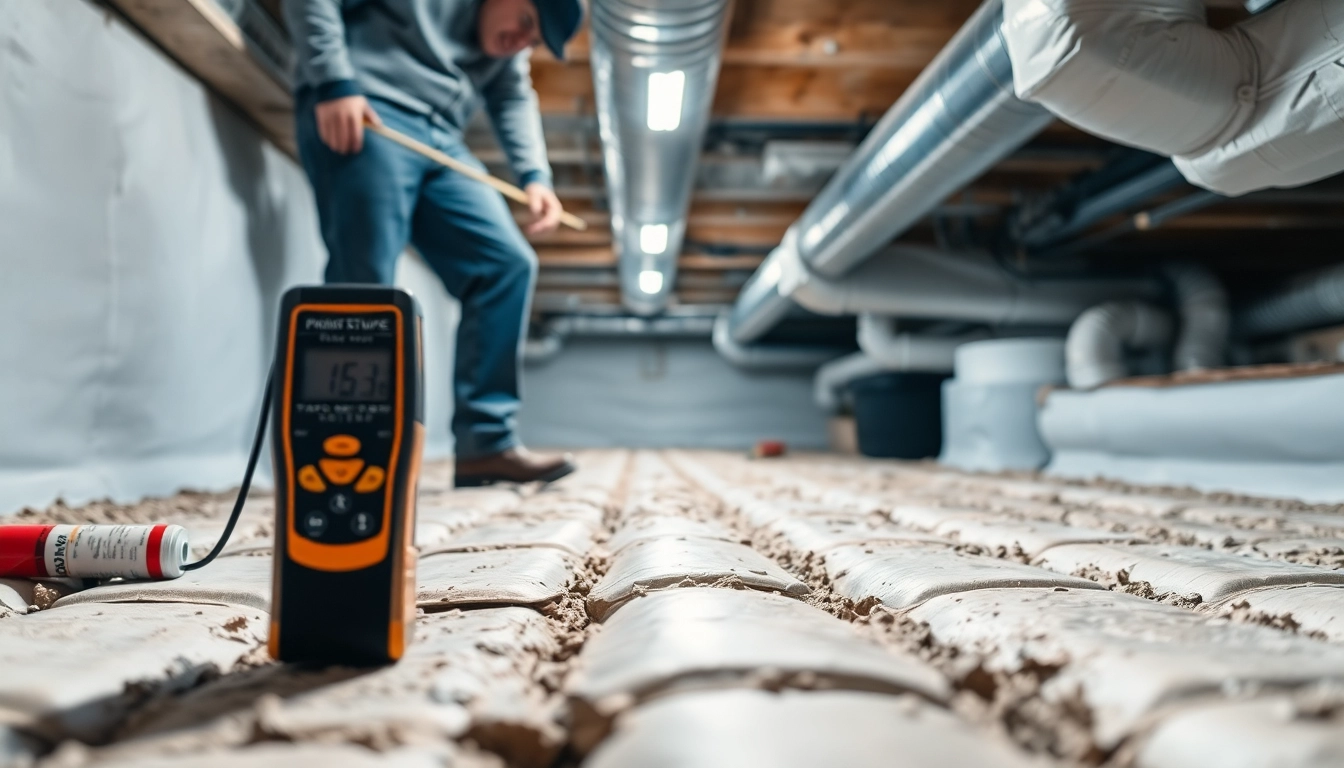
Understanding Crawl Space Restoration
What is Crawl Space Restoration?
Crawl Space Restoration refers to a comprehensive process that aims to improve, repair, and maintain the structural integrity and environmental quality of crawl spaces in homes. These usually confined areas beneath homes require meticulous attention due to their susceptibility to moisture, pests, and mold, which can compromise the health of your living space. The restoration process can involve cleaning, waterproofing, insulation, and addressing any structural issues identified during inspections. The goal is to create a safe, dry, and well-ventilated environment that will protect your home from damage while enhancing overall quality of life.
Why is Crawl Space Restoration Important?
The importance of Crawl Space Restoration cannot be overstated. A well-maintained crawl space ensures several benefits: it protects your home’s structural elements from moisture damage, prevents pest infestations, and contributes to better indoor air quality. Moreover, unaddressed crawl space issues can lead to higher energy bills, as moisture-laden air can impact your HVAC system’s efficiency. Restoration is not just a preventive measure but a crucial investment for maintaining a home’s value, safety, and comfort.
Key Components of Crawl Space Restoration
Crawl Space Restoration comprises several key components, including:
- Waterproofing: Implementing barriers and drainage solutions to prevent moisture ingress.
- Insulation: Installing quality insulation material to regulate temperature and enhance energy efficiency.
- Ventilation: Ensuring proper airflow to minimize moisture buildup and improve air quality.
- Pest Control: Taking preventive measures to deter insects and rodents.
- Structural Repairs: Addressing any physical damage to the foundation or supports.
Signs Your Crawl Space Needs Restoration
Common Indicators of Crawl Space Issues
Being alert to the signs indicating that your crawl space may require restoration is crucial. Look for:
- Mold Growth: Visible mold or mildew is a clear indicator of excessive moisture.
- Wood Damage: Rotting wood or sagging beams could signal structural problems.
- Musty Odors: Persistent odors can suggest fungal growth or pest issues.
- Temperature Variations: Unusual chilliness in your home could stem from poor insulation in the crawl space.
- Pest Infestations: Signs of rodents or insects are red flags that should not be ignored.
How to Identify Moisture Problems
Identifying moisture problems in your crawl space is key to effective restoration. Here are a few methods:
- Visual Inspection: Look for standing water, damp spots, or condensation on walls.
- Use Moisture Meters: These tools can measure humidity levels in the air and wood.
- Check Insulation: Wet or compressed insulation can indicate moisture issues.
- Ventilation Assessment: Assess whether vents are blocked or not functioning correctly.
Impact of Neglecting Restoration
Neglecting to restore your crawl space can have dire consequences not just for the structure but for the overall health of your household. Common impacts include:
- Structural Damage: Ongoing moisture can rot wood and compromise the foundation.
- Pest Infestations: Unchecked moisture attracts pests, which can lead to additional damage.
- Decreased Air Quality: Mold spores and allergens can enter your home, triggering respiratory issues.
- Increased Energy Costs: Poor insulation and ventilation can lead to higher heating and cooling expenses.
Best Practices for Crawl Space Restoration
Steps to Clean Your Crawl Space
Cleaning your crawl space is the cornerstone of restoration. Follow these steps for effective cleaning:
- Clear the Space: Remove debris, old insulation, and any furniture or items stored.
- Inspect for Damage: Examine beams and insulation for signs of rot or pest activity.
- Address Moisture Issues: Repair leaks and consider installing a dehumidifier if humidity levels are high.
- Professional Assessment: Get a professional evaluation for structural issues.
Choosing the Right Materials for Restoration
Selecting appropriate materials is essential for effective restoration. Consider the following:
- Waterproof Membranes: Durable materials that resist moisture ingress.
- Insulating Material: Choose materials with high R-value for energy efficiency.
- Mold-Resistant Sealants: Prevent future fungal growth.
- Vapor Barriers: Essential for moisture control in crawl spaces.
When to Call a Professional
While DIY efforts can sometimes address minor issues, certain situations warrant professional help. Contact a specialist when:
- Structural damage has occurred.
- You find extensive mold growth.
- You are unsure about the source of persistent moisture.
- Pest infestations are severe or beyond control.
- Your attempts at DIY restoration have not yielded results.
Preventative Measures Post-Restoration
Maintaining a Dry and Healthy Crawl Space
Once your crawl space has been restored, regular maintenance is vital. Here are some tips:
- Keep gutters clean and direct downspouts away from the foundation.
- Monitor humidity levels regularly; aim to keep them below 50%.
- Ensure that exterior landscaping slopes away from your home.
- Use a sump pump if necessary to manage groundwater.
Regular Inspections: What to Look For
Regular inspections are essential to ensure the longevity of your restoration efforts. During inspections, check for:
- Signs of water intrusion or leaks.
- Mold growth or musty smells.
- Pest sightings or droppings.
- The condition of insulation and vapor barriers.
- Structural integrity of beams and supports.
Improving Air Quality in Your Home
Restoring your crawl space not only enhances its condition but also improves your home’s overall air quality. Consider these strategies:
- Install proper ventilation systems to encourage airflow.
- Use air purifiers to filter dust and allergens.
- Regularly clean air ducts to prevent mold spores from circulating.
- Monitor humidity levels and adjust as necessary to avoid damp conditions.
Frequently Asked Questions about Crawl Space Restoration
How often should I perform crawl space restoration?
It’s advisable to inspect your crawl space every 6 to 12 months and conduct restoration as needed, especially if moisture issues are detected.
Can I do crawl space restoration myself?
Basic tasks like cleaning and simple repairs can be DIY, but complex issues like structural damage should be left to professionals.
What are the costs associated with crawl space restoration?
Costs can vary widely depending on the extent of damage and the services provided; most homeowners spend between $1,500 and $15,000.
What materials are best for crawl space restoration?
Use moisture-resistant materials, like waterproof membranes and mold-resistant insulation, designed specifically for crawl space conditions.
Are there health risks associated with a damaged crawl space?
Yes, a damaged crawl space can lead to poor air quality, mold growth, and pest infestations, which can pose health risks to residents.