Understanding the Importance of Construction Safety Training
In the construction industry, safety is paramount. The need for comprehensive construction safety training cannot be overstated, as it plays a critical role in preserving the well-being of workers and ensuring compliance with regulatory standards. With the right training, workers are equipped with the knowledge and skills necessary to navigate the unique hazards of construction sites effectively. In this article, we will delve into the various aspects of construction safety training, exploring its significance, common hazards inherent in the industry, best practices for implementation, and future trends in training methodologies.
The Role of Safety Training in Construction
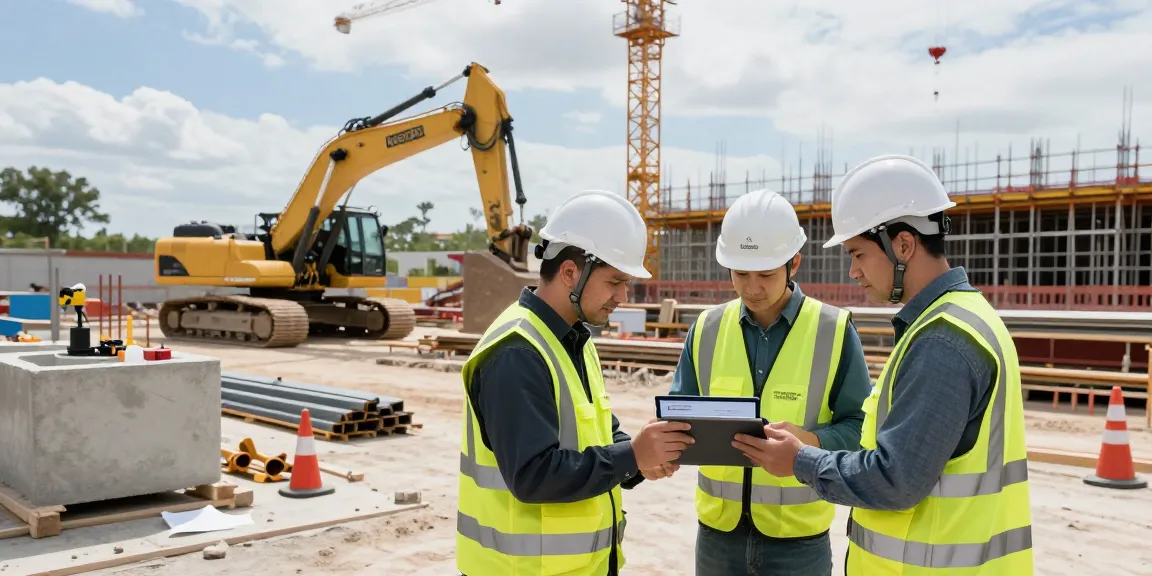
Safety training serves as the foundation of a safe work environment. By providing workers with essential knowledge regarding workplace risks and safe practices, organizations significantly reduce the probability of accidents and injuries. Training encompasses various aspects, including hazard recognition, the usage of personal protective equipment (PPE), emergency response procedures, and the safe operation of machinery. An engaged workforce is better prepared to identify hazards and take proactive measures to mitigate risks, fostering a culture of safety on-site.
Key Statistics on Construction Safety
The statistics surrounding construction safety are both alarming and enlightening. According to the Occupational Safety and Health Administration (OSHA), construction is one of the most hazardous occupations, accounting for approximately 20% of worker fatalities in the United States each year. Among these fatalities, falls, being struck by objects, electrocutions, and caught-in/between incidents make up what are known as the "Fatal Four." These figures emphasize the crucial need for effective safety training programs to reduce these incidents.
A 2020 study revealed that firms that invest in comprehensive safety training see a reduction in workplace accidents by up to 50%. Moreover, a survey by the National Safety Council indicated that every dollar spent on safety training and measures can yield a return of $4 to $6 in reduced injury costs. This data underlines not only the necessity of training but its financial viability as well.
Regulatory Requirements for Safety Training
In the United States, the need for safety training is underscored by various regulatory requirements set forth by OSHA. OSHA mandates that employers provide training sessions for their employees, ensuring that they are adequately informed about potential hazards and safe operating procedures. Specific guidelines apply to various sectors within the construction industry, with emphasis on fall protection, scaffolding safety, and machinery operation. Failure to comply with these regulations not only jeopardizes worker safety but can also result in significant fines and legal repercussions for employers.
Common Hazards in the Construction Industry
The construction site is rife with potential hazards, which can result in serious injuries or fatalities if not properly managed. Understanding these hazards is the first step in developing effective safety training programs aimed at minimizing risks.
Identifying Fall Hazards
Falls from heights remain one of the leading causes of fatalities in construction. Various factors contribute to fall hazards, including unguarded edges, improper use of ladders and scaffolding, and a lack of fall protection systems. Training programs must cover scaffold safety, ladder inspection, and the appropriate use of fall restraint systems. Implementing regular safety audits and maintaining clear communication about potential fall risks can drastically reduce incidents associated with falls.
Understanding the Risks of Heavy Machinery
Heavy machinery, including cranes, excavators, and forklifts, poses significant risks on construction sites. Operators must undergo rigorous training to understand proper handling and operational protocols. Training should encompass pre-operation inspections, load limits, and the importance of maintaining a clear workspace. Additionally, establishing clear signaling systems and ensuring that operators are aware of their surroundings can prevent accidents involving heavy machinery.
Recognizing Electrical Safety Issues
Electrical hazards are another vital concern within the construction sector. Workers may encounter live wires, faulty equipment, or improper grounding, all of which can lead to severe injuries or even electrocution. Training staff to recognize and address electrical hazards includes providing instruction on the use of Lockout/Tagout (LOTO) procedures, proper grounding practices, and safe use of tools around electrical installations. Regular checks and adherence to established electrical safety standards are crucial for minimizing risks.
Best Practices for Implementing Construction Safety Training
Having a robust safety training program is essential for any construction company. Here we outline best practices that can enhance the effectiveness of safety training initiatives.
Creating a Comprehensive Safety Program
A comprehensive safety program begins with a thorough assessment of potential hazards specific to the site and types of work being performed. This involves identifying previous incidents, conducting workplace surveys, and gathering input from employees. Components of a strong safety program include defined objectives, detailed training modules, and the establishment of roles and responsibilities related to safety. Additionally, frequent updates to the program are vital to accommodate changes in regulations, technology, and operational practices.
Effective Training Methods and Techniques
Utilizing diverse training methods can cater to different learning styles among employees. Incorporating hands-on training, online courses, workshops, and refresher courses ensures knowledge retention and application. Blended learning approaches that combine theoretical knowledge with practical application have shown significant improvements in worker engagement and comprehension. Regular drills and exercises can reinforce skills and ensure preparedness for emergency situations.
Utilizing Technology in Safety Training
Emerging technologies are revolutionizing safety training in the construction industry. Virtual Reality (VR) and Augmented Reality (AR) allow workers to experience simulated environments where they can practice responding to hazards without real-life risk. Utilizing online platforms for training and certifications provides flexibility and accessibility for workers. Additionally, using mobile apps for reporting safety issues can enhance communication and address problems in real-time.
Measuring the Effectiveness of Safety Training Programs
To ensure the success of safety training programs, companies must implement methods for measuring their effectiveness continually. Understanding the impact of training can help in making necessary adjustments and improving overall safety protocols.
Key Performance Indicators for Safety Training
Establishing Key Performance Indicators (KPIs) is crucial for assessing the success of training initiatives. Common KPIs include the number of reported incidents before and after training, employee feedback scores, and the percentage of workers who complete training. Additionally, tracking the costs associated with workplace injuries can provide valuable insight into the economic impact of safety training.
Gathering Feedback from Participants
Collecting feedback from training participants is instrumental in refining safety training programs. Surveys, focus groups, and one-on-one interviews can yield qualitative insights into the effectiveness of the training received. Understanding employees' experiences helps identify gaps in knowledge and areas for improvement, ultimately making the programs more relevant and impactful.
Adjusting Training Based on Performance Metrics
Evaluation and adjustment are fundamental components of any successful training program. Based on the collected KPIs and feedback, organizations should be prepared to modify their training content, enhance delivery methods, or introduce new topics that address emerging trends or issues. Continuous evaluation ensures that safety training evolves in tandem with the industry and remains effective.
Future Trends in Construction Safety Training
The landscape of construction safety training is continually evolving. As technology advances and new challenges emerge, training practices must adapt to maintain effectiveness.
The Impact of Virtual Reality on Safety Training
Virtual Reality is transforming the way safety training is delivered in the construction sector. VR simulations provide realistic scenarios for workers to safely experience and practice handling situations such as falls, equipment malfunctions, and emergency responses. This immersive technology allows for repetitious practice without real-world consequences, enhancing retention and preparedness.
Emerging Technologies in Training Solutions
In addition to VR, augmented reality, mobile applications, and e-learning platforms are rapidly gaining traction in safety training. Mobile apps equipped with safety checklists, hazard identification tools, and incident reporting features streamline communication and ensure immediate accessibility to safety information on job sites. E-learning platforms facilitate ongoing education and allow workers to learn at their own pace, accommodating busy schedules.
Adapting to Changing Regulations and Standards
The construction industry is subject to evolving regulations and standards, necessitating that safety training programs remain fluid and adaptable. Organizations must stay informed about changes in legislation, incorporate relevant updates into training materials, and reassure compliance with local, state, and federal standards. Training must also address the integration of new technologies and practices emerging from these regulatory shifts.
In conclusion, construction safety training is not merely a regulatory box to check; it is fundamental in fostering a culture of safety on construction sites. By understanding the importance of training, recognizing hazards, implementing best practices, measuring effectiveness, and staying ahead of trends, organizations can significantly enhance the well-being of their workforce and contribute to a safer construction environment for all.