
Posted on

Maximize Space and Style with a Corner Shower Enclosure

Understanding Corner Shower Enclosure

What is a Corner Shower Enclosure?

A corner shower enclosure is a streamlined and space-efficient solution designed specifically for bathrooms with limited room. Unlike traditional shower designs, a corner shower enclosure fits snugly into the corner of a bathroom, leaving more open floor space for other fixtures or accessories. It typically features walls on two sides and a door that opens outward or slides, making it both functional and stylish. For those looking to enhance their bathroom design, a corner shower enclosure can provide a contemporary focal point.

Advantages of Corner Shower Enclosure

Choosing to install a corner shower enclosure brings numerous benefits:

  • Space-Efficiency: Ideal for small bathrooms, these enclosures maximize usability without overwhelming the space.
  • Style Versatility: They come in various styles and finishes, allowing customization to suit any bathroom aesthetic.
  • Easy Accessibility: Many designs feature wide openings and sliding doors, making entry and exit convenient.
  • Easy Installation: Generally simpler to install than tub enclosures, many homeowners can manage installation themselves.
  • Water Savings: Reduced water usage is often associated with smaller showers, contributing to sustainability.

Common Materials Used

Corner shower enclosures are made from various materials, each offering unique performance and aesthetic properties:

  • Tempered Glass: Popular for its safety and durability, tempered glass provides a sleek, modern look.
  • Acrylic: A lightweight, easy-to-clean option that is also resistant to chipping and scratching.
  • Fiberglass: Known for its affordability and versatility, fiberglass offers decent durability and design options.
  • Stainless Steel: Often used in hardware and framing, stainless steel is resistant to rust and staining.
  • Aluminum: Lightweight and resistant to corrosion, aluminum is commonly used for door frames and tracks.

Choosing the Right Corner Shower Enclosure

Sizes and Configurations Available

When selecting a corner shower enclosure, the size and configuration are crucial to ensuring a fit that’s functional and aesthetically pleasing. Common sizes include:

  • 32 x 32 inches: A compact option ideal for very small bathrooms.
  • 36 x 36 inches: Offers a balance between space and comfort for most users.
  • Neo-angle Designs: These feature angled walls that maximize space utilization.
  • Custom Sizes: Some manufacturers offer customization options for unique bathroom layouts.

Style Options for Different Bathrooms

Corner shower enclosures are available in various styles to blend seamlessly with your bathroom’s decor:

  • Frameless: Provides a sleek, modern appearance and makes spaces feel larger.
  • Framed: Offers additional support and brightness, useful for specific design aesthetics.
  • Sliding Doors: Ideal for narrow spaces, they slide instead of swinging, conserving space.
  • Bi-fold Doors: Fold inwards for easy opening and are great for limited space.
  • Corner Entry: Features doors that swing outward from the corner, maximizing access in tighter bathrooms.

Key Features to Consider

When selecting a corner shower enclosure, pay attention to the following key features:

  • Door Type: Consider sliding, bi-fold, or hinged doors based on your space and convenience.
  • Glass Thickness: Thicker glass is typically more durable and adds an upscale appeal.
  • Profiles: The frame or the profile must match other fixtures in your bathroom.
  • Sealant Quality: High-quality seals are crucial to prevent leaks and water damage.
  • Warranty Options: Check for warranties that cover defects and performance issues.

Installation Tips for Corner Shower Enclosure

Preparation for Installation

Preparing for the installation of your corner shower enclosure involves several essential steps:

  1. Measure your bathroom space accurately and choose the right size enclosure.
  2. Ensure all necessary tools and materials are ready, including caulk, screws, a level, and a drill.
  3. Clear the installation area of obstacles and existing fixtures to provide ample working space.
  4. Review the product installation manual for specific guidelines tailored to your enclosure model.

Step-by-Step Installation Guide

The installation process can typically be summarized in these key steps:

  1. Base Preparation: Ensure the shower base is level and secure it according to the manufacturer’s instructions.
  2. Wall Panels: Install the back wall and side walls as per the product guidelines for stability.
  3. Door Installation: Assemble and install the door frames, ensuring they are aligned to allow proper movement.
  4. Sealant Application: Apply a waterproof sealant around joints and seams to prevent leaks.
  5. Finishing Touches: Attach any additional features such as shelving or hooks as desired.

Common Mistakes to Avoid

Awareness of common pitfalls can save time and frustration:

  • Incorrect Measurements: Always double-check dimensions to avoid fit issues during installation.
  • Poor Sealant Application: Neglecting thorough sealing can lead to leakage problems.
  • Overlooking Ventilation Needs: Proper ventilation is essential to prevent mold build-up post-installation.
  • Ignoring Manufacturer Guidelines: Always follow the specific instructions provided with your enclosure.
  • Skipping the Final Step: Never skip a final inspection for alignment and stability before use.

Maintenance and Care of Corner Shower Enclosure

Cleaning Techniques for Glass Panels

For a lasting sparkle and clarity in glass panels, consider these cleaning methods:

  • Daily Rinsing: Rinse panels with water after each use to prevent soap residue build-up.
  • Vinegar Solution: A mixture of vinegar and water is effective for removing spots and streaks.
  • Soft Cloth Cleaners: Always use microfiber cloths to avoid scratches on glass surfaces.
  • Specialized Cleaners: Use products specifically designed for glass surfaces to maintain clarity.
  • Regularly Inspect: Keep an eye on hinges and seals for water damage signs and tighten as necessary.

Preventing Mold and Mildew

Mold and mildew can thrive in humid environments. Here are strategies to avoid this issue:

  • Proper Ventilation: Install a fan or window to minimize humidity levels in the bathroom.
  • Use Mold-Resistant Sealants: Ensure all seals are mold-resistant to hinder fungi growth.
  • Regular Cleaning: Maintain a cleaning schedule that includes anti-mold cleansers.
  • Dry Surfaces: Wipe down glass and surfaces after each use to eliminate moisture build-up.
  • Monitor Humidity Levels: Use a hygrometer to measure and manage humidity in your bathroom.

Regular Maintenance Checklist

Keeping your corner shower enclosure functioning smoothly requires regular checks:

  • Inspect seals and gaskets for wear every six months.
  • Ensure all hardware is tightened and aligned properly.
  • Cleans the glass panels regularly for optimum visibility.
  • Look for signs of mold or mildew; address them immediately.
  • Confirm proper drainage functionality every few months.

FAQs about Corner Shower Enclosures

Is a corner shower a good idea?

Yes, corner showers are especially suitable for small bathrooms, maximizing space while providing a stylish look.

Can I install a corner shower enclosure myself?

Yes, while DIY installation is feasible, ensure you follow detailed instructions for a proper fit and function.

What materials are best for corner shower enclosures?

Glass, acrylic, and fiberglass are popular choices due to their durability, ease of maintenance, and versatility.

How do I prevent water leakage?

Proper sealing and caulking around edges during installation is crucial to avoid water leakage issues.

What size corner shower enclosure is best?

The ideal size depends on your bathroom layout; common dimensions include 32×32 and 36×36 inches.

Posted on

Elevate Your Bathroom Aesthetic with a Stylish Bathtub Glass Door

Introduction to Bathtub Glass Door

A bathtub glass door is an elegant solution for modern bathrooms, offering a seamless blend of style and functionality. Unlike traditional shower curtains, these fixtures provide a minimalist aesthetic while keeping water contained. This article delves into the significance, advantages, selection tips, varieties, installation guidance, maintenance routines, and answers to frequently asked questions about bathtub glass doors.

What is a Bathtub Glass Door?

A bathtub glass door is typically made from tempered glass and serves as a barrier between the bathing area and the bathroom floor. It comes in various styles and configurations, from sliding to hinged designs, allowing homeowners to choose based on their space and aesthetic preferences. This modern fixture not only enhances the look of a bathroom but also improves its functionality by preventing water spillage.

Benefits of Bathtub Glass Door

The advantages of a bathtub glass door extend beyond aesthetics. These benefits include:

  • Water Containment: One of the primary advantages is the ability to keep water contained within the tub, avoiding slippery floors and water damage.
  • Style: Glass doors provide a modern and sleek appearance, making bathrooms feel more open and spacious.
  • Durability: Made from toughened glass, these doors are less likely to break than standard glass and can withstand the rigors of daily use.
  • Easy Maintenance: Unlike shower curtains that harbor mildew and mold, glass doors are easy to clean, requiring just occasional wiping to maintain clarity.
  • Value Addition: Installing a stylish bathtub glass door can increase the value of your home, appealing to potential buyers with contemporary tastes.

How to Choose the Right Bathtub Glass Door

Selecting the ideal bathtub glass door involves considering various factors:

  • Size and Fit: Measure the bathtub accurately to ensure a proper fit. Consider the dimensions of the bathroom as well.
  • Type of Door: Decide on a type based on space availability, such as sliding, hinged, or bi-fold doors.
  • Glass Type: Options include framed, frameless, clear, frosted, or patterned glass. Each offers a different aesthetic and functionality.
  • Hardware: Choose finishes for hinges, handles, and other fittings that complement the overall bathroom decor.
  • Safety Features: Look for tempered glass doors that offer safety in case of accidental impact.

Types of Bathtub Glass Door

Sliding Bathtub Glass Door

Sliding bathtub doors are ideal for bathrooms with limited space. These doors slide along a track rather than swinging open, providing more room when entering or exiting the bathtub. A significant advantage of sliding doors is their elegant look, combined with ease of use. They are available in various styles, from frameless to semi-framed options.

Frameless Bathtub Glass Door

Frameless doors provide a sleek, modern aesthetic and are typically made of thicker tempered glass. They create an illusion of a larger space, as they do not obstruct views in a bathroom. The absence of frames also means fewer areas where dirt can accumulate, making cleaning easier. However, they tend to be more expensive than framed options due to their design and construction.

Hinged Bathtub Glass Door

Hinged bathtub doors open outward and are excellent for creating a more traditional look. These doors can swing into the shower or bathroom area, depending on your space requirements. They are sturdy and often require a more extensive framing system, making them a reliable choice for long-term use.

Installation Tips for Bathtub Glass Door

Preparation and Measurements

Before installation, precise measurements are crucial. Measure the height and width of the tub, ensuring you also factor in any existing fixtures that could interfere with door operation. It’s advisable to consult with a professional if you’re unsure about the measurements. This precision helps avoid costly mistakes and complications during installation.

Tools Required for Installation

To install a bathtub glass door, you will need the following tools:

  • Measuring tape
  • Drill and drill bits
  • Screwdriver
  • Level
  • Silicone caulk and caulking gun
  • Safety glasses and gloves

Step-by-Step Installation Guide

Follow these steps for a successful installation:

  1. Prepare the Area: Clean the surface where the door will be installed. Remove any old fixtures or seals if necessary.
  2. Install the Track or Hinges: Depending on your door type, install the track or screw the hinges into place. Ensure everything is level to avoid operational issues.
  3. Attach the Glass Panels: Carefully attach the glass panels to the track or hinges, securing them firmly to avoid accidental dislodgement.
  4. Sealing: Apply silicone caulk around the edges where the glass meets the fixtures to prevent water leakage.
  5. Finishing Touches: Install handles and check the functionality by opening and closing the doors. Make adjustments if necessary.

Maintenance of Bathtub Glass Door

Cleaning Tips for Clarity

To maintain the transparency of your bathtub glass door, regular cleaning is essential. Use a non-abrasive glass cleaner and soft cloth or sponge. Using a squeegee after each shower can help minimize water spots and soap scum buildup. It’s also advisable to avoid harsh chemicals that could damage the glass surface.

Preventing Water Damage

To prevent water damage, ensure that the seals around the door are intact. Regularly check for any signs of wear or damage, and replace seals if necessary. Furthermore, consider installing a water softener to reduce mineral buildup, which can lead to cloudy glass.

Repairing Common Issues

Common issues include leaks and scratches. For leaks, check and replace seals or caulking as needed. For scratches, specialized glass polishing products can help restore clarity. If your tempered glass is cracked, it’s best to consult a professional for replacement to avoid safety risks.

FAQs About Bathtub Glass Door

Can I Install a Bathtub Glass Door Myself?

Yes, many homeowners can install a bathtub glass door with basic tools and careful measurements. However, professional help may ensure a perfect fit and prevent mistakes.

What Materials Are Used for Bathtub Glass Doors?

Bathtub glass doors are typically made from tempered glass, which is durable and less likely to break. It’s available in clear or frosted styles for privacy.

How Do I Maintain My Bathtub Glass Door?

Regular cleaning with a gentle glass cleaner and squeegee will help maintain clarity. Avoid harsh chemicals that could damage the surface.

Do I Need a Professional for Installation?

While DIY installation is possible, hiring a professional guarantees proper fitting and alignment, especially if custom sizes are required.

Are Bathtub Glass Doors Safe for Families?

Yes, modern bathtub glass doors are designed with safety features like rounded edges and tempered glass, making them safe for family use.

Posted on

Choosing the Perfect Sliding Door Shower Screen for Your Bathroom

Understanding Sliding Door Shower Screen Options

The selection of a sliding door shower screen can significantly influence your bathroom’s functionality and aesthetic. Various options exist, and understanding these will help you make an informed choice.

Types of Sliding Door Shower Screens

Sliding door shower screens come in several types, each designed to meet specific needs and preferences. The most common types include:

  • Framed Shower Screens: These provide structure and stability, incorporating a metal frame that surrounds the glass panels. They tend to be more affordable and are available in a variety of designs.
  • Frameless Shower Screens: Offering a sleek, modern look, these screens lack a surrounding frame, emphasizing the glass’s transparency. They are ideal for contemporary bathroom designs.
  • Semi-Frameless Shower Screens: A combination of framed and frameless styles, these offer some structural support while maintaining a minimalist aesthetic.
  • Bypass Shower Doors: This style consists of two or more panels that glide along tracks. They are perfect for optimizing space in smaller bathrooms.

Benefits of Using a Sliding Door Shower Screen

Opting for a sliding door shower screen presents multiple advantages:

  • Space Efficiency: Sliding doors don’t swing open, making them a great choice for tight spaces.
  • Water Containment: Designed properly, they can minimize water splashing outside the shower.
  • Aesthetic Appeal: Available in various styles and finishes, they can enhance any bathroom decor.
  • Ease of Access: Sliding doors allow for wide entry points, making it easier to enter and exit without obstruction.

Choosing the Right Material for Durability

The materials used in constructing sliding door shower screens play a crucial role in their longevity and performance. Here are the most common materials:

  • Tempered Glass: This is a strong and durable option that can withstand impacts and high temperatures.
  • Framed Glass: Often reinforced with metal, providing additional stability and security.
  • Plastic or Acrylic: While less durable than glass, acrylic is lightweight and can be an affordable option for temporary setups.

Installation and Maintenance of Sliding Door Shower Screen

Preparing Your Bathroom for Installation

Before installation begins, it’s important to assess your bathroom space thoroughly. Clear the area of any obstructions and measure the dimensions where the sliding door shower screen will be installed. Check for any plumbing or electrical fixtures that could interfere with the installation.

Step-by-Step Installation Guide

Installing a sliding door shower screen can often be a straightforward DIY task. However, it’s crucial to follow a proper procedure:

  1. Check Measurements: Ensure the opening where the screen will be installed is correctly measured.
  2. Gather Tools: Common tools needed include a drill, level, tape measure, and screwdriver.
  3. Install Tracks: Attach the top and bottom tracks according to the product instructions, ensuring they are level.
  4. Hang the Glass Panels: Carefully lift and secure the glass panels onto the tracks.
  5. Adjust and Secure: Ensure that the doors glide smoothly and tighten any necessary screws or fasteners.

Maintenance Tips for Longevity

Proper maintenance can prolong the life of your sliding door shower screen:

  • Regular Cleaning: Use a soft cloth and a non-abrasive cleaner to avoid scratches.
  • Check Tracks: Periodically clear the tracks of debris to ensure smooth operation.
  • Inspect Seals: Inspect the seals for wear and replace them if water starts leaking.

Design Ideas for Sliding Door Shower Screens

Incorporating Style Into Your Bathroom

When choosing a sliding door shower screen, consider how it will fit into your overall bathroom style. For a modern bathroom, opt for frameless designs that offer clean lines. For a more traditional space, select framed options with ornate detailing.

Color Schemes and Finishes

The color and finish of the glass and frame can make a substantial difference:

  • Clear Glass: Maximizes light and creates a spacious feel.
  • Frosted Glass: Provides privacy while still allowing light to filter through.
  • Metal Finishes: Available in chrome, bronze, or matte finishes, these can align with other fixtures in the bathroom.

Enhancing Space with Design Choices

Using a sliding door shower screen can visually open up space. Consider designs that reflect light, like mirrored finish frames. Additionally, pairing with light-colored tiles can create the illusion of a larger bathroom.

Comparing Costs for Sliding Door Shower Screens

Understanding Pricing Factors

The cost of sliding door shower screens can greatly vary based on several factors:

  • Material: Glass options tend to be more expensive than acrylic.
  • Design: Frameless designs typically cost more due to their luxurious appearance.
  • Size: Larger screens will inherently cost more.

Budgeting for Your Installation

When budgeting for installation, consider not just the cost of the screen but potential installation fees if you hire a professional and any additional materials that may be required:

  • Screen Cost: $700 to $2,000 on average.
  • Installation Cost: Professionals may charge an additional $150 to $300, depending on complexity.

Cost-Efficient Alternatives

If you’re on a budget, consider purchasing a simpler framed design or opting for DIY installation. Sales and discounts are often available during major holidays, providing excellent opportunities for savings.

FAQs About Sliding Door Shower Screens

Are sliding door shower screens worth it?

Yes, sliding door shower screens are worth it due to their space-saving design, aesthetic appeal, and ease of access compared to traditional hinged doors.

What is the average cost of installation?

The average cost of installing a sliding door shower screen ranges from $150 to $300, depending on complexity and local labor rates.

How do I clean a sliding door shower screen?

Clean with a soft cloth and a non-abrasive cleaner. Regularly clean the tracks to avoid debris buildup and ensure smooth operation.

Can sliding door shower screens fit any size?

While many sizes are available, custom options can accommodate unique shower openings. Measure your space carefully before purchase.

What are common issues with sliding door shower screens?

Common issues include misaligned tracks, water leakage if seals wear out, and difficulty in sliding if tracks are dirty. Regular maintenance can address these problems.

Posted on

Elevate Your Space: Expert Trends in Interior Design Dubai

Showcasing a luxurious interior design dubai apartment with contemporary decor and a stunning skyline view.

Understanding Interior Design Dubai Concepts

Dubai stands as a melting pot of cultures, reflected vividly in its interior design landscape. The luxury and innovation present in interior design dubai are not merely about aesthetics but also involve a deep understanding of spatial dynamics, comfort, and environmental context. Let’s delve into the key concepts that underpin Dubai’s distinctive interior design identity.

The Importance of Space Planning

Space planning is crucial in interior design as it involves the strategic arrangement of spaces to optimize functionality while catering to the client’s needs. In Dubai’s fast-paced living environment, maximizing every square foot is essential, particularly in high-rise apartments and luxury villas. Designers take into account lifestyle requirements, including storage, privacy, and natural light, creating versatile spaces.

Key Elements of Interior Design Dubai

Interior design in Dubai incorporates several elements that enhance both style and utility:

  • Color Schemes: Dubai’s interior color palettes often blend bold hues with neutral tones, contributing to a warm and inviting atmosphere.
  • Materials: The use of luxurious materials like marble, glass, and metal not only elevates aesthetics but also reflects the opulence typical of Dubai.
  • Lighting: Innovative lighting solutions are used to create ambiance, highlight architectural features, and enhance functionality.
  • Furniture Selection: Custom-designed pieces often become focal points, amplifying the unique character of each space.

Cultural Influences on Design Styles

Dubai’s design styles are heavily influenced by its rich cultural tapestry, which merges traditional Arabian craftsmanship with contemporary trends. Elements like intricate mosaics and geometric patterns subtly narrate the city’s historical roots, while modern sleek lines reflect its futuristic vision. This unique hybrid creates spaces that are simultaneously grounded in heritage and ahead of their time.

Popular Styles in Interior Design Dubai

From the stunning skyline to serene desert vistas, the diversity of Dubai’s environment influences countless interior design trends. Here are some of the most popular styles:

Contemporary and Minimalist Designs

Contemporary design embraces simplicity and minimalism, focusing on clean lines and functional spaces. In Dubai, this style is often complemented by high-quality finishes and smart home technologies. The aim is to create open, airy spaces filled with natural light, making them not only appealing but also sustainable.

Luxurious Arabian Aesthetics

Luxurious Arabian aesthetics encapsulate the essence of opulence. Rich fabrics, ornate detailing, and jewel tones are commonly used in this style. Spaces are often adorned with traditional elements like arabesques, plush carpets, and intricate woodwork, offering a luxurious yet inviting experience.

Eco-friendly Trends in Modern Spaces

As sustainability becomes increasingly important, eco-friendly design trends are gaining traction in Dubai. Designers are now incorporating sustainable materials such as reclaimed wood, recycled metals, and low-VOC paints. This not only promotes environmental consciousness but also caters to the health and well-being of occupants.

How to Choose the Right Interior Designer

Finding the right interior designer in Dubai can be a paramount task due to the multitude of choices available. Here is an outline to help you navigate this process successfully.

Credentials to Look For

When selecting a designer, it is essential to check their credentials and experience. Look for professionals with relevant degrees in interior architecture or design, along with certifications that establish their credibility. A seasoned designer is likely to have a portfolio showcasing various styles and projects.

Questions to Ask Before Hiring

Before finalizing your choice, ask specific questions to gauge their suitability:

  • What is your design process?
  • Can you provide references or testimonials from past clients?
  • What is your approach to budget management?
  • How do you handle project timelines and deadlines?

Understanding Pricing Models

Interior designers in Dubai typically use various pricing models, including hourly rates, fixed fees, or percentage-based fees on the project cost. Understanding these models can help you budget appropriately and ensure transparency throughout the project.

Essential Tips for Homeowners

In the realm of interior design, certain strategies can significantly enhance the outcome of any project. Here are some essential tips for homeowners looking to transform their spaces:

Color Schemes That Transform

Colors can dramatically influence the mood of a space. When selecting a color scheme, consider the emotional impact of hues and opt for combinations that create a harmonious flow throughout your home. Earthy tones paired with vibrant accents can create a subtle yet lively ambiance.

Maximizing Natural Light in Spaces

Dubai’s abundant sunshine can be utilized to enhance interior spaces. Incorporate large windows, skylights, and reflective surfaces to maximize natural light, making spaces feel more expansive and inviting. Thoughtful placement of mirrors can also amplify light and depth.

Selecting Functional Furnishings

Choosing multifunctional furniture in Dubai’s often compact spaces can optimize utility without sacrificing style. Look for pieces that serve dual purposes, such as a sofa bed or coffee table with storage, to maintain a decluttered environment while maximizing functionality.

Future Trends in Interior Design Dubai

As the interior design landscape evolves, several trends are anticipated to shape the future of Dubai’s spaces. Keeping an eye on these trends can provide inspiration for upcoming projects.

Technology Integration in Design

IoT devices and smart technology integration are transforming how spaces are designed and experienced. From smart lighting and climate control to automated blinds, technology enhances comfort and convenience while aligning with Dubai’s modern lifestyle.

Sustainable Materials and Practices

With increasing environmental awareness, there is a growing trend toward sustainable practices in interior design. Using renewable and locally sourced materials reduces environmental footprints, reflecting a shift towards eco-conscious living. Embracing sustainability can also resonate with clients seeking responsible design solutions.

The Rise of Personalization in Designs

Personalization is becoming a central theme in interior design, as clients seek spaces that reflect their individual personalities and lifestyles. Custom solutions, bespoke furniture, and unique decorations that tell personal stories are gaining popularity, allowing homeowners to add a distinctive flair to their spaces.

FAQs About Interior Design Dubai

1. How much do interior designers charge in Dubai?

The average cost of hiring an interior designer in Dubai varies significantly based on the project’s complexity. Prices may range from AED 10,000 for a studio apartment to AED 250,000+ for larger homes.

2. Is it worth hiring an interior designer in Dubai?

Yes, hiring a professional can save time and money by ensuring efficient space planning, access to quality resources, and expert advice that aligns with your vision and budget.

3. What are the best colors for Dubai living spaces?

Neutral tones combined with vibrant accent colors are popular as they can reflect the sunlight while adding personality and warmth to the interiors.

4. What is the most popular interior design style in Dubai?

Contemporary and luxurious Arabian aesthetics are very popular, reflecting both modern trends and rich cultural heritage in designs.

5. How can I make my small apartment look bigger in Dubai?

Utilizing light colors, mirrors, and multifunctional furniture can create an illusion of space. Moreover, maximizing natural light also helps expand the visual dimensions of a room.

Posted on

Enhancing Home Safety with Innovative Water Leak Detection Solutions

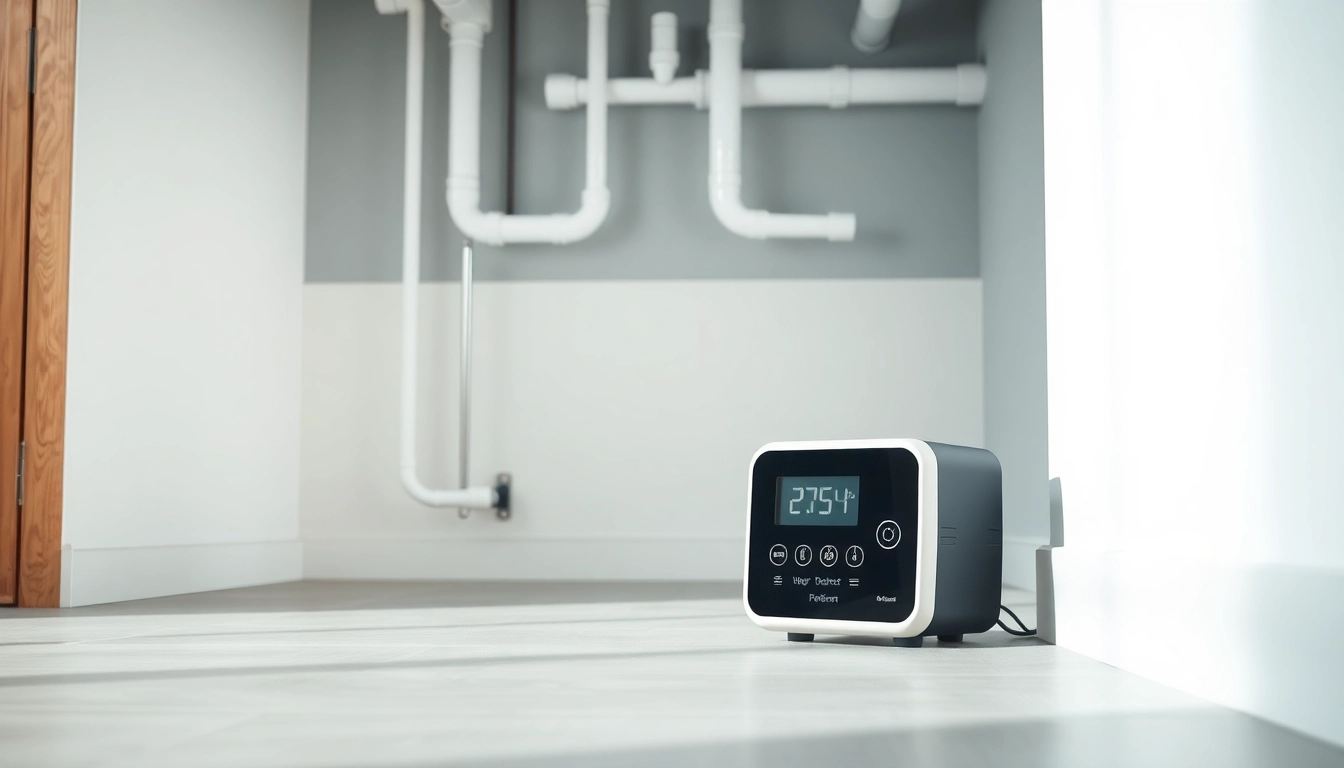
Implement water leak detection with smart sensor devices in a modern home setup.

Understanding Water Leak Detection

What is Water Leak Detection?

Water leak detection refers to the process of identifying leaks within plumbing systems and structures, such as residential homes, commercial buildings, and industrial settings. This process helps homeowners and business owners mitigate the potential hazards and damage that leaks can cause. Water leaks can lead to extensive property damage, costly repairs, and the growth of mold and mildew, which can severely impact health. Regular inspection and monitoring of plumbing systems, therefore, become critical for maintaining safety and integrity.

Common Causes of Water Leaks in Homes

Understanding the common causes of water leaks enables homeowners to take preventative measures. Here are several prevalent causes:

  • Corroded Pipes: Over time, plumbing pipes can corrode due to age, causing cracks and leaks.
  • Improper Installation: Poorly installed pipes or fixtures can lead to leaks as they may not be properly sealed.
  • Extreme Weather Changes: Freezing temperatures can cause pipes to expand and crack, leading to leaks when the weather warms up.
  • High Water Pressure: Excessively high water pressure can strain pipes, causing them to rupture.
  • Regular Wear and Tear: Over time, the seals around fixtures can deteriorate, leading to leaks.

The Importance of Timely Water Leak Detection

Timely detection of water leaks is vital for several reasons:

  • Damage Minimization: Early detection can prevent extensive damage to walls, floors, and foundational structures.
  • Mold Prevention: Mold thrives in moist environments; detecting leaks early helps in preventing mold growth that can harm health.
  • Cost Savings: Preventing major repairs through early detection can save homeowners significant amounts of money in the long run.
  • Preservation of Property Value: Regular maintenance and leak detection help maintain property value by ensuring structural integrity.

Types of Water Leak Detection Systems

Smart Water Leak Detectors

Smart water leak detectors have become a popular choice among homeowners due to their efficiency and integration with smart home systems. These devices can alert homeowners via smartphone notifications when a leak is detected, allowing for immediate action. Many smart detectors are equipped with features such as:

  • Real-time Monitoring: Continuous surveillance of water usage and leak detection.
  • Remote Alerts: Notifications sent directly to mobile devices for fast response times.
  • Integration with Smart Home Systems: Compatibility with systems such as Google Home and Amazon Alexa for voice control and automation.

Traditional Leak Detection Methods

While technology has advanced, traditional leak detection methods still play a vital role, particularly in situations where digital solutions may not be feasible. Methods include:

  • Visual Inspection: Homeowners can regularly inspect pipes and fixtures for visible leaks or signs of water stains.
  • Pressure Testing: A professional can perform pressure tests to ensure that pipes are holding the proper pressure without leaking.
  • Thermal Imaging: Using infrared cameras, professionals can detect temperature variations indicating the presence of water.

Comparing Passive and Active Systems

When choosing a water leak detection system, understanding the difference between passive and active systems is essential:

  • Passive Systems: These systems rely on manual checks and inspections. Homeowners need to remain vigilant and proactive to detect leaks.
  • Active Systems: These involve automated detection devices that provide real-time monitoring and alerts, substantially reducing the risk of undetected leaks.

How to Choose the Right Water Leak Detection System

Considerations for Different Environments

Different environments, such as residential homes, commercial buildings, and industrial sites, have unique needs:

  • Residential: Smart detectors that integrate with home automation systems may be ideal for homeowners.
  • Commercial: Businesses may require more robust systems with higher sensitivity and wider coverage areas.
  • Industrial: Specialized leak detection systems that can monitor large and complex piping networks are essential.

Budgeting for Water Leak Detection Solutions

When budgeting for a water leak detection system, consider:

  • Initial Costs: This includes the purchase price of the system and installation costs.
  • Maintenance Costs: Ongoing costs for system monitoring, maintenance, and battery replacements.
  • Potential Savings: Factor in the savings from avoided repairs and reduced water bills due to leak detection.

Understanding Installation Requirements

Installation requirements can vary by system type:

  • DIY Installations: Many smart leak detectors are designed for easy self-installation, often involving simple setup procedures.
  • Professional Installations: Complex systems, especially those that require integration with existing plumbing, may need professionals for optimal performance.

Benefits of Effective Water Leak Detection

Preventing Water Damage and Mold Growth

Effective water leak detection can significantly reduce the risk of water damage and mold growth. By continuously monitoring for leaks, systems can alert homeowners immediately, allowing them to address issues before they escalate. This proactive approach is particularly important in preventing mold, which can pose serious health risks.

Enhancing Home Value with Modern Solutions

Integrating modern leak detection solutions not only improves safety but also adds value to your property. Smart technologies appeal to buyers looking for homes equipped with the latest safety features and energy-efficient systems. Properly maintained homes with modern leak detection are more attractive in real estate markets.

Reducing Water Waste and Utility Bills

Water leak detection can lead to substantial savings in utility bills. By identifying and fixing leaks promptly, homeowners can reduce water wastage. The environmental benefits of less water consumption are equally significant, contributing to sustainable living practices.

Best Practices for Implementing Water Leak Detection

Regular Maintenance Tips for Water Leak Detectors

To ensure the longevity and effectiveness of water leak detection systems:

  • Test Your System Regularly: Make sure to conduct periodic tests to ensure all components of your system are functioning correctly.
  • Keep Batteries Fresh: Replace batteries in devices that rely on them regularly to prevent failures.
  • Review System Settings: Ensure that your alert settings are appropriate and that remote notifications are enabled.

Integrating Leak Detection with Smart Home Systems

Many homeowners find it beneficial to integrate their leak detection systems with existing smart home technologies. This integration can enhance functionality, allowing for automated notifications and remote monitoring. Some steps include:

  • Connecting to Smart Hubs: Devices like Google Home or Amazon Echo allow for voice commands and automation.
  • Automated Shut-off Valves: These systems can be programmed to shut off the water supply if a leak is detected, preventing further damage.
  • Mobile Alerts: Keeping alerts enabled on mobile devices ensures immediate responses to leak detection notifications.

Key Metrics for Evaluating Detection System Performance

When assessing the effectiveness of a water leak detection system, consider the following metrics:

  • Response Time: Measure how quickly the system notifies you of a leak.
  • Detection Accuracy: Evaluate the reliability of the system in accurately detecting leaks.
  • Coverage Area: Ensure that the detectors adequately cover the necessary areas without gaps.

In conclusion, ensuring proper water leak detection is crucial for safeguarding homes from damage and maintaining property values. By understanding the different types of systems available, their benefits, and best practices, homeowners can make informed decisions that will enhance safety and efficiency in their homes.

Posted on

Maîtriser le carrelage imitation parquet : Le guide définitif pour 2025

Beau salon présentant un carrelage imitation parquet pour une ambiance élégante et accueillante.

Comprendre le Carrelage Imitation Parquet

Dans le monde du design d’intérieur, le carrelage imitation parquet est devenu une option de plus en plus prisée. Alliant l’esthétique chaleureuse du bois avec la durabilité et la facilité d’entretien du carrelage, ce matériau offre une solution idéale pour ceux qui cherchent à harmoniser l’élégance et la fonctionnalité dans leur espace de vie. Dans cet article, nous explorerons en profondeur ce type de revêtement, ses avantages, les choix de styles, les conseils d’installation, ainsi que les budgets à prévoir pour la mise en œuvre de ce matériau tendance.

Qu’est-ce que le Carrelage Imitation Parquet ?

Le carrelage imitation parquet, comme son nom l’indique, est un carrelage qui imite l’apparence du parquet en bois. Fabriqué principalement en grès cérame, il est conçu pour offrir une texture et des motifs qui rappellent le bois, tout en bénéficiant de la résistance et de la facilité d’entretien que le carrelage traditionnel peut offrir. Disponible en diverses dimensions, couleurs et finitions, le carrelage imitation parquet peut parfaitement s’adapter à tous les styles d’intérieur, du plus classique au plus contemporain.

Avantages du Carrelage Imitation Parquet

Opter pour le carrelage imitation parquet présente plusieurs avantages notables :

  • Durabilité : Contrairement au bois, le carrelage est résistant à l’eau, aux rayures et à l’usure, ce qui le rend idéal pour les environnements à fort trafic.
  • Entretien facile : Un simple nettoyage avec de l’eau savonneuse suffit pour garder votre carrelage en parfait état.
  • Variété de design : Offrant une multitude de finitions et de teintes, ce type de carrelage permet de personnaliser votre espace facilement.
  • Écologique : De nombreux fabricants utilisent des matériaux respectueux de l’environnement pour produire du carrelage imitation parquet.

Idées reçues courantes sur le Carrelage Imitation Parquet

Il existe plusieurs idées reçues sur le carrelage imitation parquet. Par exemple, certains pensent que ce type de carrelage est moins confortable que le bois. En réalité, le confort dépend de la qualité du matériau et de la pose. De plus, le carrelage est souvent plus hygiénique, ce qui en fait un choix judicieux pour les familles avec enfants ou animaux de compagnie.

Choisir le Bon Style et Design

Styles Populaires pour 2025

En 2025, plusieurs styles se distinguent dans le monde du carrelage imitation parquet. Les imitations de bois bruts et vieillis séduisent ceux qui cherchent un aspect naturel et authentique. Les teintes claires comme le chêne blanchi ou le frêne sont également en vogue, apportant luminosité et chaleur aux espaces intérieurs. Les motifs géométriques, inspirés du design scandinave, gagnent en popularité pour ceux qui souhaitent un style plus contemporain.

Tendances de Couleur dans le Carrelage Imitation Parquet

Cette année, les couleurs terreuses, telles que les bruns chauds et les gris doux, sont très recherchées. Ces teintes offrent une belle harmonie avec des éléments décoratifs en métal ou en pierre. De plus, les nuances de bleu et de vert subtils commencent à faire leur apparition, ajoutant une touche de fraîcheur et d’originalité aux intérieurs.

Compléter les Intérieurs avec le Carrelage Imitation Parquet

Pour maximiser l’impact visuel de votre carrelage imitation parquet, il est essentiel de bien le compléter avec le reste de votre décoration. Les meubles en bois, les textiles naturels comme le lin ou le coton, et les éléments de décoration en cuivre ou en laiton peuvent renforcer l’esthétique chaleureuse du bois. Pensez également à incorporer des plantes pour apporter une touche de nature qui s’accordera parfaitement avec votre revêtement de sol.

Conseils d’Installation et Bonnes Pratiques

Préparer Votre Espace pour l’Installation

Avant de poser votre carrelage imitation parquet, il est crucial de préparer correctement votre espace. Assurez-vous que le sol est propre, sec et uniforme. Si nécessaire, effectuez des réparations pour éliminer les irrégularités. Pensez à laisser le carrelage s’acclimater dans la pièce pendant au moins 48 heures avant la pose, afin d’éviter les déformations dues à des variations de température et d’humidité.

Bricolage vs Installation Professionnelle

La pose de carrelage peut sembler simple, mais elle requiert une certaine expertise. Si vous êtes novice, il est conseillé de faire appel à un professionnel pour garantir un résultat optimal, surtout si vous souhaitez un motif complexe ou une pose avec des découpes. Cela vous évitera également des erreurs coûteuses.

Maintenance pour la Longévité

Pour assurer la longévité de votre carrelage imitation parquet, un entretien régulier est vital. Il est recommandé de le nettoyer avec un produit adapté et d’éviter les nettoyants abrasifs qui pourraient rayer la surface. Pensez également à appliquer un produit de protection spécifique tous les deux à trois ans pour maintenir l’aspect de votre carrelage.

Coûts et Budget

Prix moyens du Carrelage Imitation Parquet

Les prix du carrelage imitation parquet varient considérablement. En moyenne, les tarifs oscillent entre 15 € et 25 € par m² pour les modèles d’entrée de gamme, tandis que les options plus haut de gamme peuvent atteindre 50 € à 80 € par m². Il est donc essentiel de définir un budget avant de commencer vos recherches afin de trouver le carrelage qui correspond à vos besoins et à vos attentes esthétiques.

Facteurs qui influent sur le coût

Plusieurs éléments peuvent influencer le coût total de votre projet de carrelage imitation parquet :

  • Qualité des matériaux : Les modèles en grès cérame de haute qualité sont généralement plus coûteux mais offrent une meilleure durabilité.
  • Complexité de la pose : Un motif complexe ou des découpes spécifiques peuvent augmenter le coût de la main-d’œuvre.
  • Accessoires supplémentaires : N’oubliez pas de budgétiser pour les sous-couches, les joints et les autres fournitures nécessaires à l’installation.

Économies à long terme grâce au Carrelage Imitation Parquet

Malgré un coût initial potentiellement élevé, le carrelage imitation parquet peut être un choix économique à long terme. Sa durabilité et sa résistance entraînent des économies sur les réparations et l’entretien. De plus, sa facilité d’entretien réduit le temps et les coûts associés à son nettoyage régulier.

Tendances futures des matériaux de revêtement de sol

Innovations dans le Carrelage Imitation Parquet

Les innovations dans le domaine des matériaux de revêtement continuent d’évoluer. Les nouvelles technologies permettent de créer des carrelages imitation parquet encore plus réalistes, avec des finitions en relief qui imitent parfaitement les motifs du bois. Les simulations numériques de textures et de couleurs permettent une personnalisation accrue à l’achat.

Durabilité dans les choix de revêtement de sol

La durabilité devient un facteur clé dans le choix des matériaux de revêtement. Les consommateurs sont de plus en plus conscients de l’impact environnemental de leurs choix. Ainsi, le carrelage imitation parquet est souvent fabriqué à partir de matériaux recyclés ou durables, offrant une solution respectueuse de l’environnement tout en maintenant une esthétique de qualité.

Prévisions pour le design de sol en 2025 et au-delà

Les futures tendances en matière de design de sol mettront l’accent sur des matériaux multifonctionnels qui combinent esthétique, confort et durabilité. On peut s’attendre à voir une augmentation des produits innovants intégrant des technologies intelligentes, comme des systèmes de chauffage intégrés ou des solutions anti-statiques, rendant les espaces de vie encore plus confortables et pratiques.

Posted on

Investing in High-Quality Roofing Solutions for Lasting Protection

Inspecting high-quality roofing solutions on a residential property with detailed focus.

Understanding High-Quality Roofing Solutions

In today’s ever-changing landscape of home construction and renovation, finding high-quality roofing solutions is more crucial than ever. Homeowners are investing in roofs that not only enhance the aesthetic appeal of their properties but also provide durability, sustainability, and energy efficiency. Before delving into specific materials and contractors, it’s essential to grasp what truly constitutes high-quality roofing, the benefits it offers, and the common misconceptions that often cloud homeowners’ decisions.

What Constitutes High-Quality Roofing?

High-quality roofing is defined by several key characteristics that go beyond mere appearance. First and foremost, it involves the selection of top-notch materials that can withstand varying weather conditions. This includes asphalt shingles, metal roofing, slate, tile, and eco-friendly options like green roofs. In addition to materials, a good roofing solution involves superior installation practices. Properly trained and experienced roofers ensure that the roofing system is installed according to manufacturer specifications, using the right techniques to maximize performance.

Furthermore, high-quality roofing must also possess strong warranties and customer support, which signifies a manufacturer’s confidence in their product’s longevity and performance. The combination of high-grade materials, skilled workmanship, and robust support creates a roofing solution that not only serves its purpose but also offers peace of mind to homeowners.

Benefits of Investing in Quality

Investing in high-quality roofing solutions brings several long-lasting benefits. Firstly, it can significantly enhance the overall value of a home. Well-maintained roofs improve curb appeal and can elevate property valuations. Additionally, quality roofing solutions often come with longer warranties, providing homeowners with extended protection against damage and degradation.

Moreover, high-quality roofing provides better energy efficiency. With proper insulation and ventilation, high-quality roofs can help reduce heating and cooling costs, leading to lower energy bills. This energy efficiency is increasingly important as homeowners seek to reduce their environmental footprint.

Finally, high-quality roofing solutions are typically more durable, handling wind, rain, snow, and UV exposure more effectively than lower-grade alternatives. This durability translates into fewer repairs and replacements over time, which can save homeowners significant money in the long run.

Common Myths About Roofing Quality

Several misconceptions can mislead homeowners as they search for roofing solutions. One common myth is that all roofing materials are created equal, which is simply not the case. Different materials offer varying levels of durability, energy efficiency, and aesthetic appeal. Understanding these distinctions is crucial when making a decision.

Another misconception is that the cheapest option is always the best; however, this often leads to poor quality and more frequent repairs. Investing more upfront in a quality product may save homeowners significant amounts over time through reduced maintenance and replacement costs.

Lastly, some believe that roofs do not require maintenance once installed. This is not true; regular inspections and maintenance are essential in prolonging the life of any roofing system. Homeowners should be proactive in caring for their roofs to avoid more significant issues down the line.

Types of High-Quality Roofing Materials

Choosing the right material is critical when it comes to selecting a high-quality roofing solution. The design, climate, and personal style preferences all play a role in this decision.

Comparing Different Roofing Options

There are several popular roofing materials, each with its pros and cons. Asphalt shingles are widely used due to their affordability and ease of installation. They offer decent durability and come in various colors and styles.

Metal roofing is another excellent option known for its longevity and resistance to severe weather. It can last upwards of 50 years with minimal maintenance and offers superior energy efficiency due to its reflective properties. Slate roofs, while more expensive, bring an unparalleled aesthetic appeal and can last for a century or more when properly maintained.

Tile roofing, commonly made from clay or concrete, offers a distinctive look and provides excellent durability. Finally, eco-friendly roofing options, such as green roofs and solar roofing, are becoming increasingly popular due to their sustainability and energy efficiency benefits.

Durability of Various Materials

The lifespan and resilience of roofing materials are vital considerations. Asphalt shingles typically last 15 to 30 years, whereas metal roofing can last 40 to 70 years, depending on the type of metal used. Slate and tile roofs are the champions in longevity, often exceeding 100 years if installed and maintained correctly.

When examining durability, it’s also important to consider the material’s resistance to various environmental factors. For instance, asphalt shingles can be prone to cracking in extreme temperatures, while metal roofs are impervious to rotting and pests, making them an excellent choice for longevity.

Eco-Friendly Roofing Solutions

As sustainability becomes a priority for many homeowners, eco-friendly roofing materials are gaining traction. Green roofs are an innovative solution that provides natural insulation, manages stormwater, and enhances local biodiversity. Solar panels integrated into roofing systems not only generate energy but also can lead to significant savings on electricity bills.

Recycled materials, such as rubber and plastic roofing, are also emerging within the industry, providing environmentally responsible options that reduce waste while delivering quality and performance. Opting for these green roofing solutions can benefit both the planet and your overall energy usage.

Choosing the Right High-Quality Roofing Contractor

The contractor you choose to install your roof can significantly influence the success of your project. It is essential to select a qualified professional who understands the importance of quality installation.

Key Qualities to Look For

When searching for a roofing contractor, look for experience, reputation, and reliability. A contractor who has been in business for several years and has a portfolio showcasing completed projects is a good sign of expertise. Additionally, check whether they use high-quality materials and adhere to industry standards during installation.

Insurance coverage is also vital; ensure that the contractor has liability insurance and workers’ compensation to protect yourself from potential liabilities arising during the project. Furthermore, a contractor should provide written estimates and a clear timeline to manage expectations effectively.

Questions to Ask Before Hiring

Asking the right questions can help you gauge the competence of a contractor. Inquire about their experience with your preferred material and the techniques they use for installation. Furthermore, ask about their warranty policy, both for materials and workmanship, to understand what protections are in place should something go wrong.

It’s also important to ask for references and reviews from previous customers. This feedback can give insight into the contractor’s reliability, workmanship quality, and customer service.

Verifying Credentials and Reviews

Before making a decision, verify the contractor’s credentials, including their licenses and certifications. Professional affiliations with national roofing associations can also indicate a commitment to industry standards.

Online reviews and testimonials are valuable resources for assessing previous customers’ experiences. Look for patterns in feedback, particularly concerning issues like timeliness, communication, and the quality of the finished product.

Cost Considerations for High-Quality Roofing Solutions

The cost of a new roof is a significant investment, which makes it crucial to understand the financial aspects involved in selecting high-quality roofing solutions.

Understanding Pricing Structures

Roofing costs can vary widely based on materials, labor, and the complexity of the installation process. Asphalt shingles typically offer the lowest upfront costs, while metal, slate, and tiles can be more expensive, reflecting their durability and longevity.

The pricing structure may also involve factors such as the size of the roof, the pitch, and the existing roofing material that may need removal. Homeowners should obtain multiple estimates from different contractors to gain a comprehensive understanding of expected costs.

Calculating Long-Term Savings

While the initial investment in a high-quality roof may be higher, calculating potential long-term savings is crucial. For example, a metal roof might cost significantly more than asphalt shingles but can last twice as long and require far fewer repairs. This extended lifespan reduces overall costs over time.

Additionally, high-quality roofs often lead to lower energy bills due to their enhanced insulation and energy efficiency properties. This means that over the years, homeowners can recoup their initial investment through savings on energy and repairs.

Financing Options for Homeowners

Understanding financing options can ease the burden of upfront costs. Many roofing contractors offer financing plans that allow homeowners to spread out payments. Additionally, local or federal financing programs may be available to subsidize costs for energy-efficient upgrades or renovations.

Home equity loans or lines of credit can also be viable alternatives for financing roof replacements. Regardless of the option chosen, it’s essential for homeowners to evaluate their budget and ensure they can meet payment obligations while investing in a high-quality roofing solution.

Maintaining High-Quality Roofing Solutions

Even the highest quality roofing solutions require regular maintenance to maximize longevity and performance. Understanding the best practices for care can prevent minor issues from developing into major expenses.

Best Practices for Roof Maintenance

Regular inspections are the cornerstone of proactive roof maintenance. Homeowners should conduct at least biannual inspections, checking for loose shingles, debris accumulation, moss or algae growth, and any signs of leaks.

Keeping gutters clean is also essential. Clogged gutters can lead to water pooling on the roof, causing damage over time. Homeowners should ensure that downspouts direct water away from the foundation to prevent flooding and erosion.

Signs of Damage and When to Act

Acting quickly at the first sign of damage can save homeowners from more extensive repairs. Common signs of trouble include curling or missing shingles, water stains on ceilings or walls, and sagging areas on the roof’s surface. A prompt inspection by a professional is crucial if any of these issues arise.

Additionally, homeowners should pay attention to changes in their energy costs; an unexplained increase can indicate insulation problems or leaks within the roofing system.

Extending the Lifespan of Your Roof

To maximize the lifespan of a roof, homeowners should prioritize preventative care. This includes maintaining ventilation systems to prevent moisture buildup and ensuring that trees are trimmed back to avoid damage from falling branches.

Applying protective coatings can enhance the durability of certain roofing materials against UV rays, while professional cleaning can remove damaging debris and growth without damaging the roofing surface.

Ultimately, knowledge of maintenance best practices allows homeowners to preserve the integrity and beauty of their high-quality roofing solutions for years to come, safeguarding their investment in their property.